A Custom Filament Dryer for the P1S
Wet filament is one of those problems that just quietly ruins prints. Stringing, popping, bad layer adhesion, failed runs, it all traces back to moisture in the filament and it’s annoying because Bambu Lab still hasn’t built a real solution for it into the AMS (at the time of writing this). So I made one.
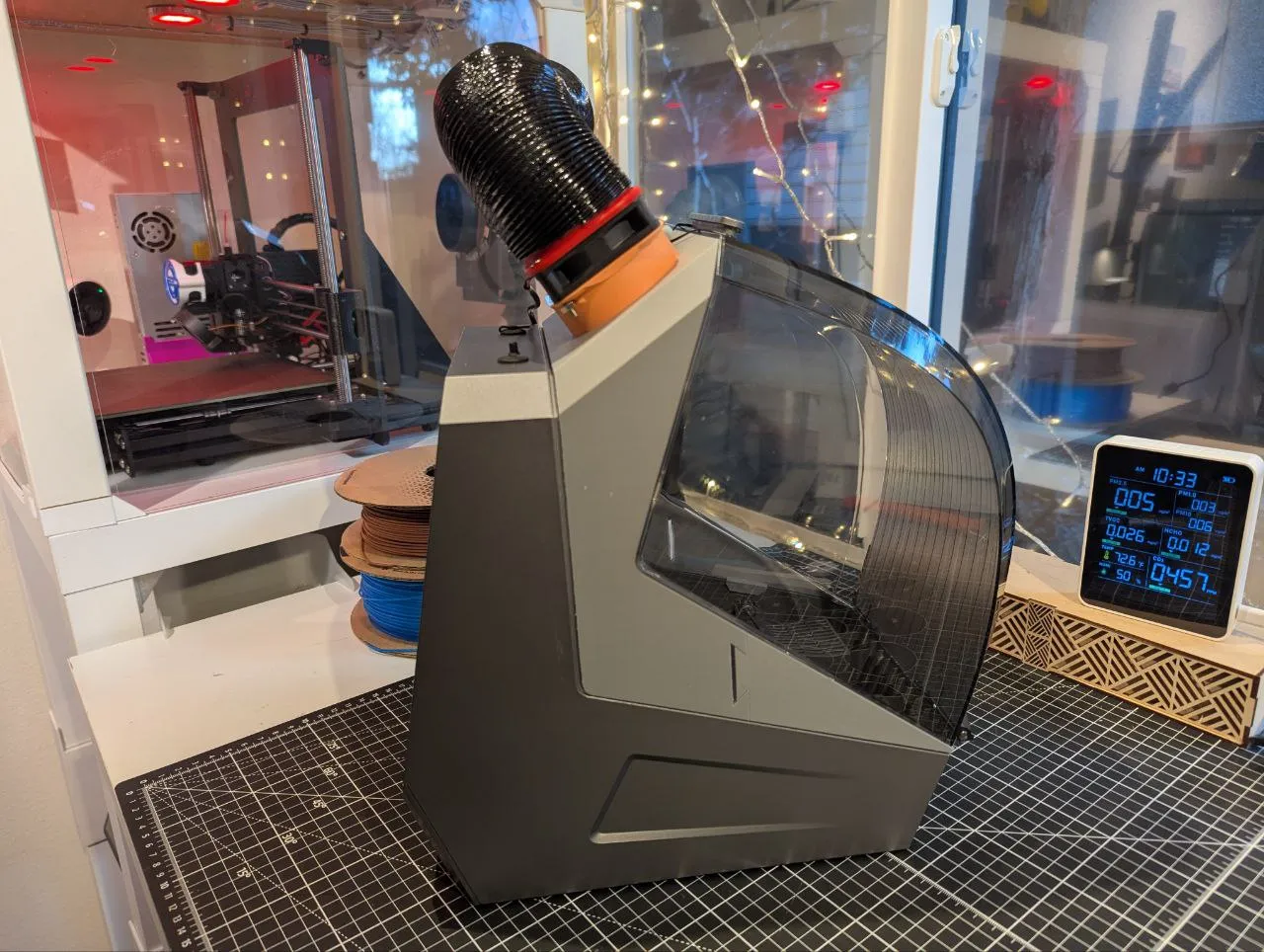
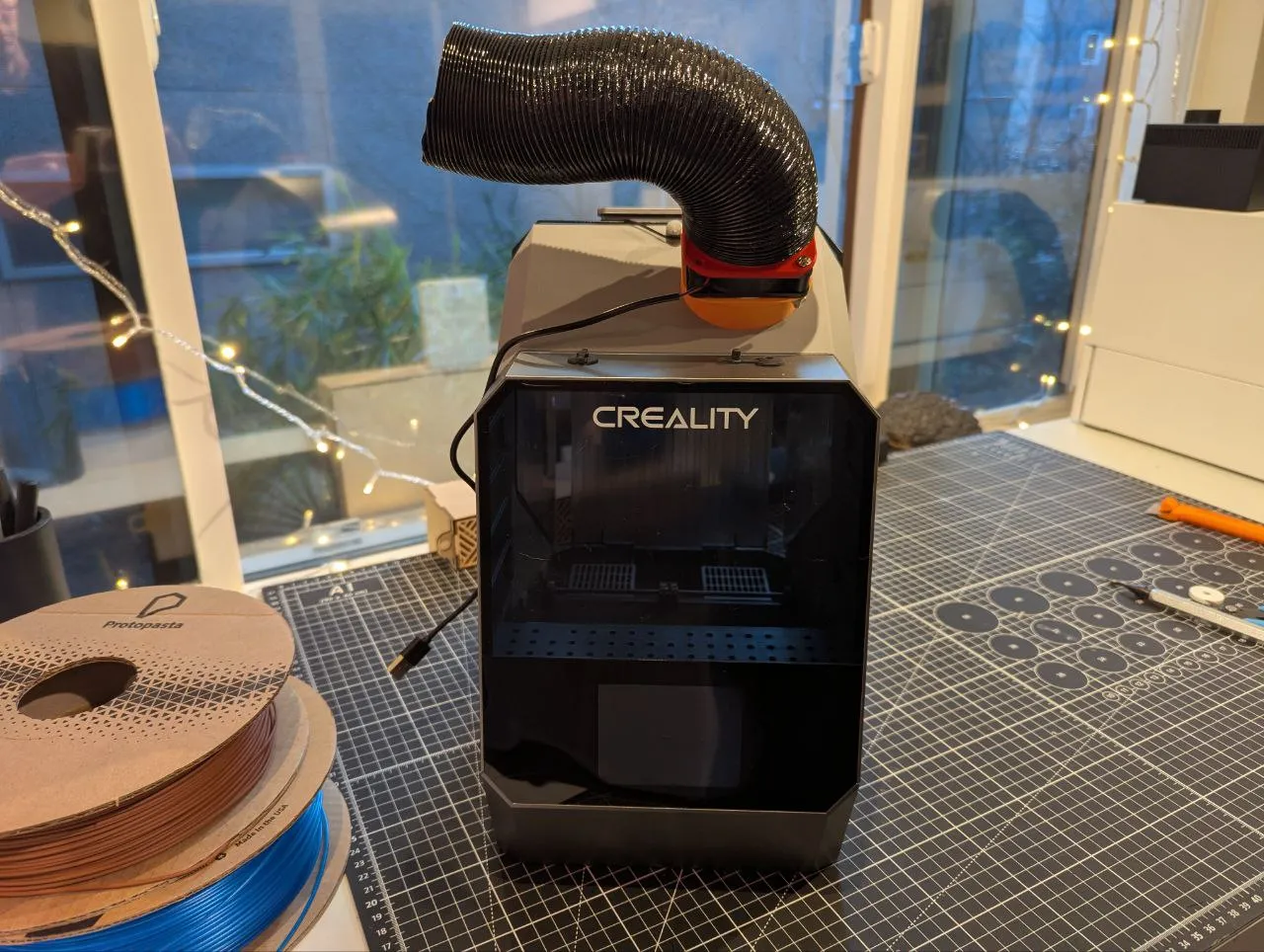
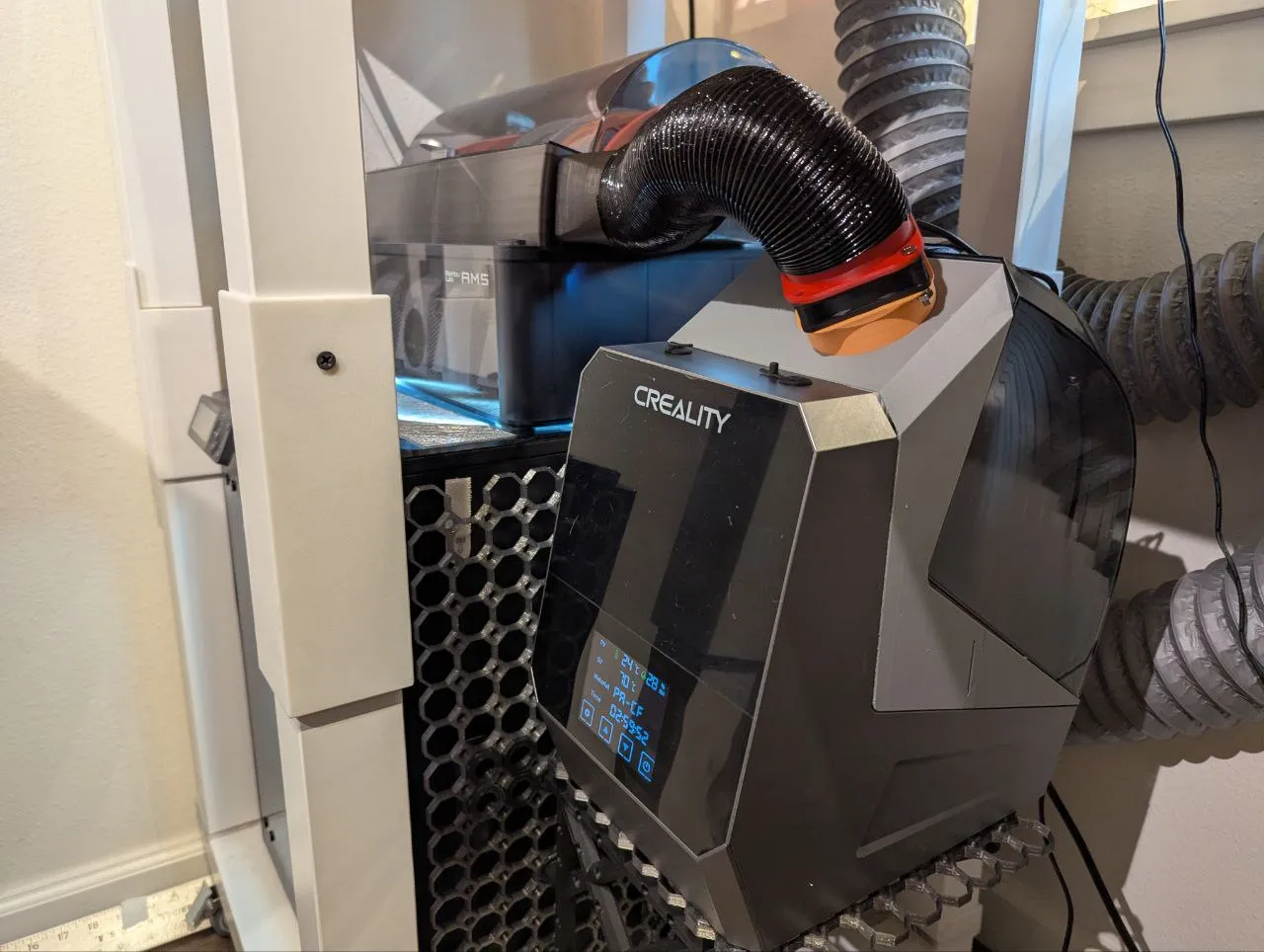
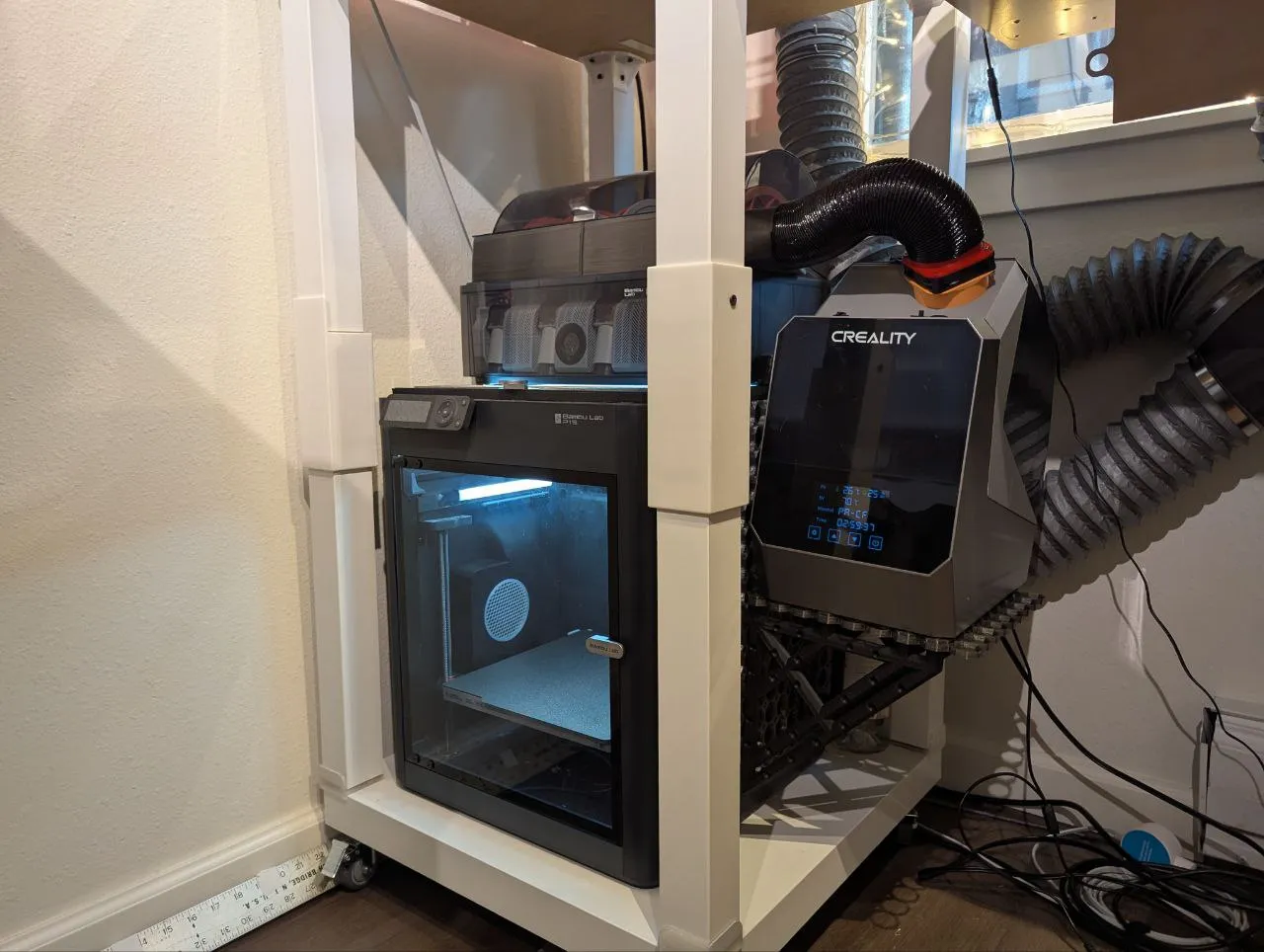
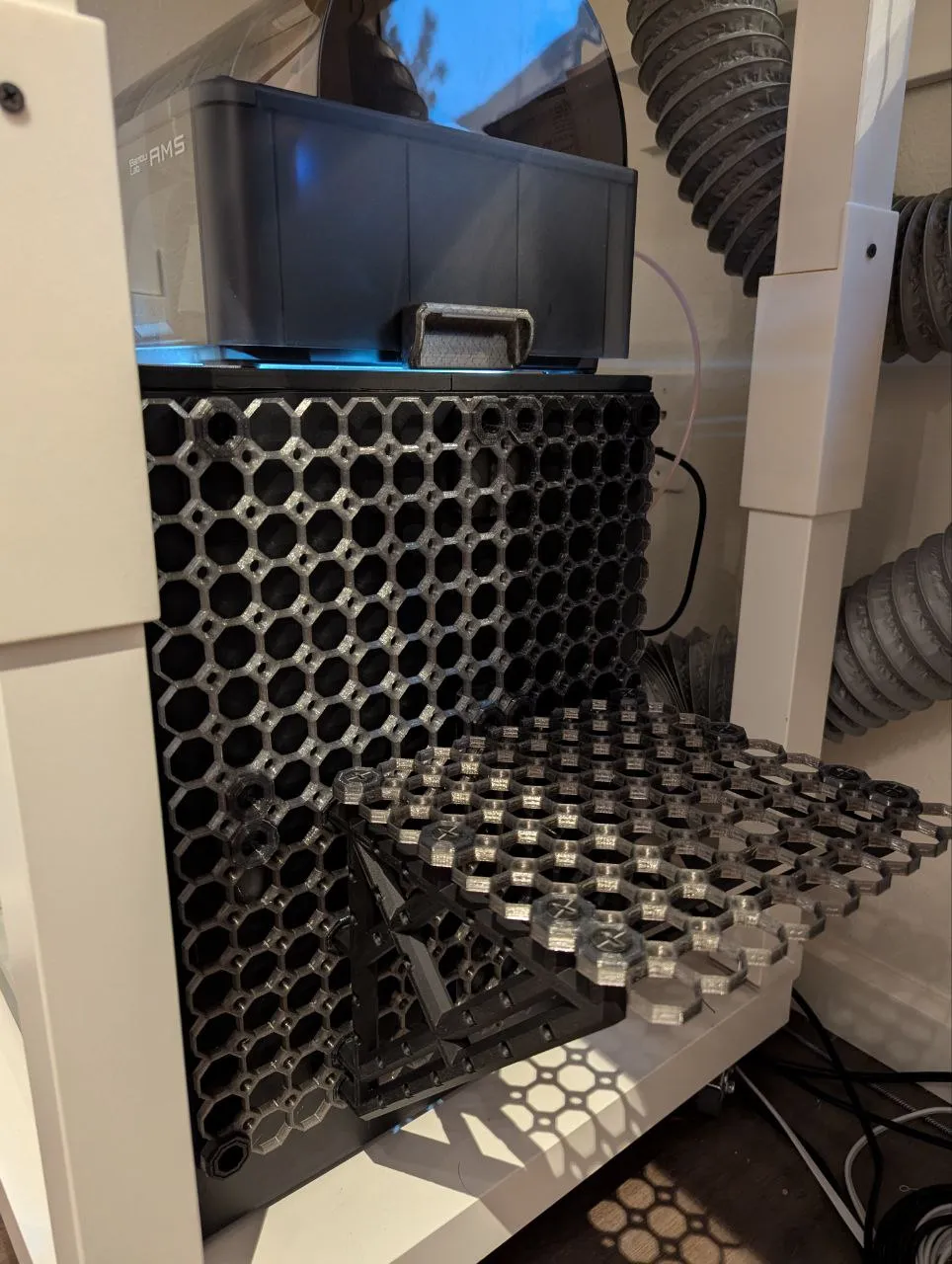
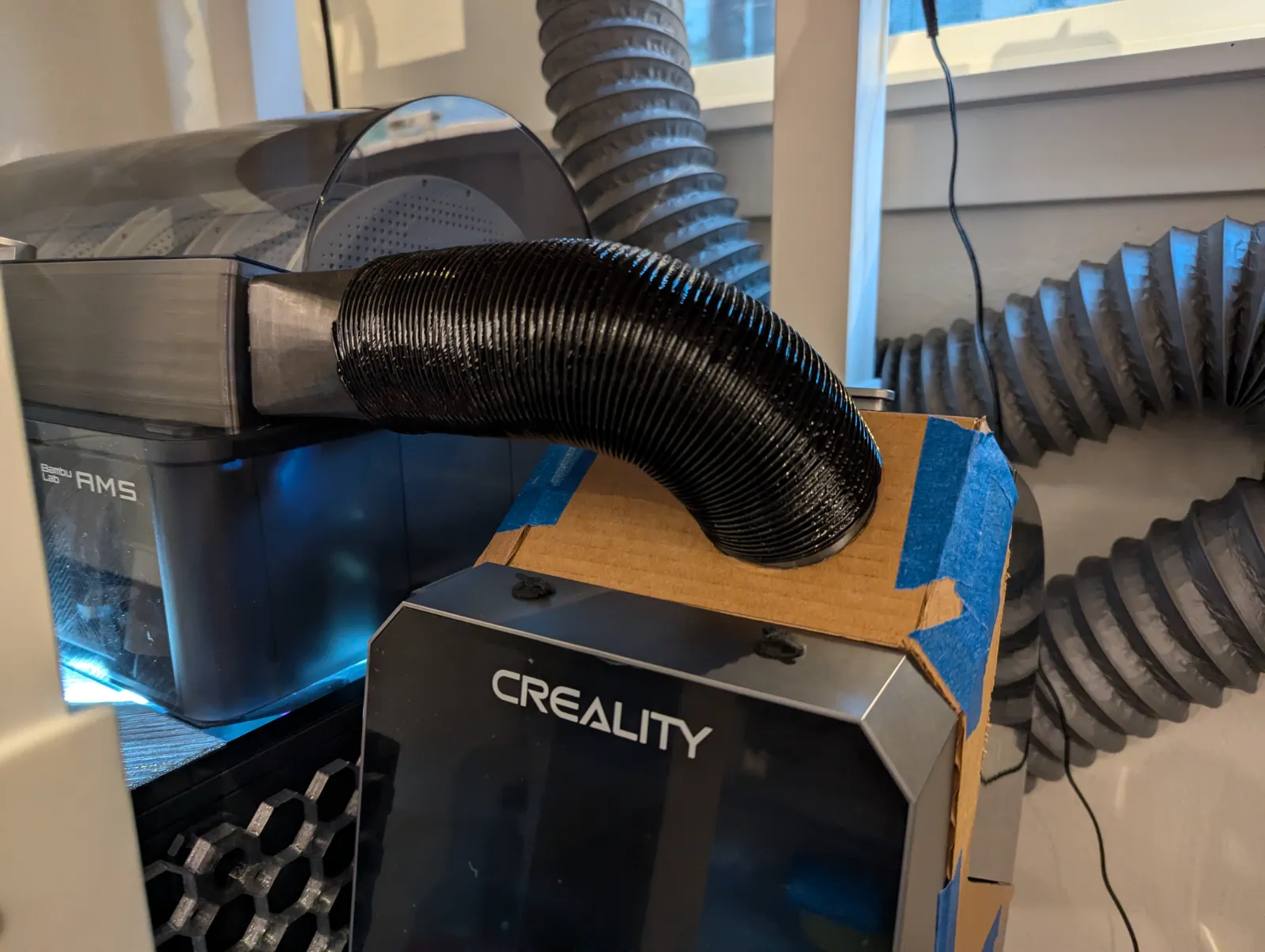
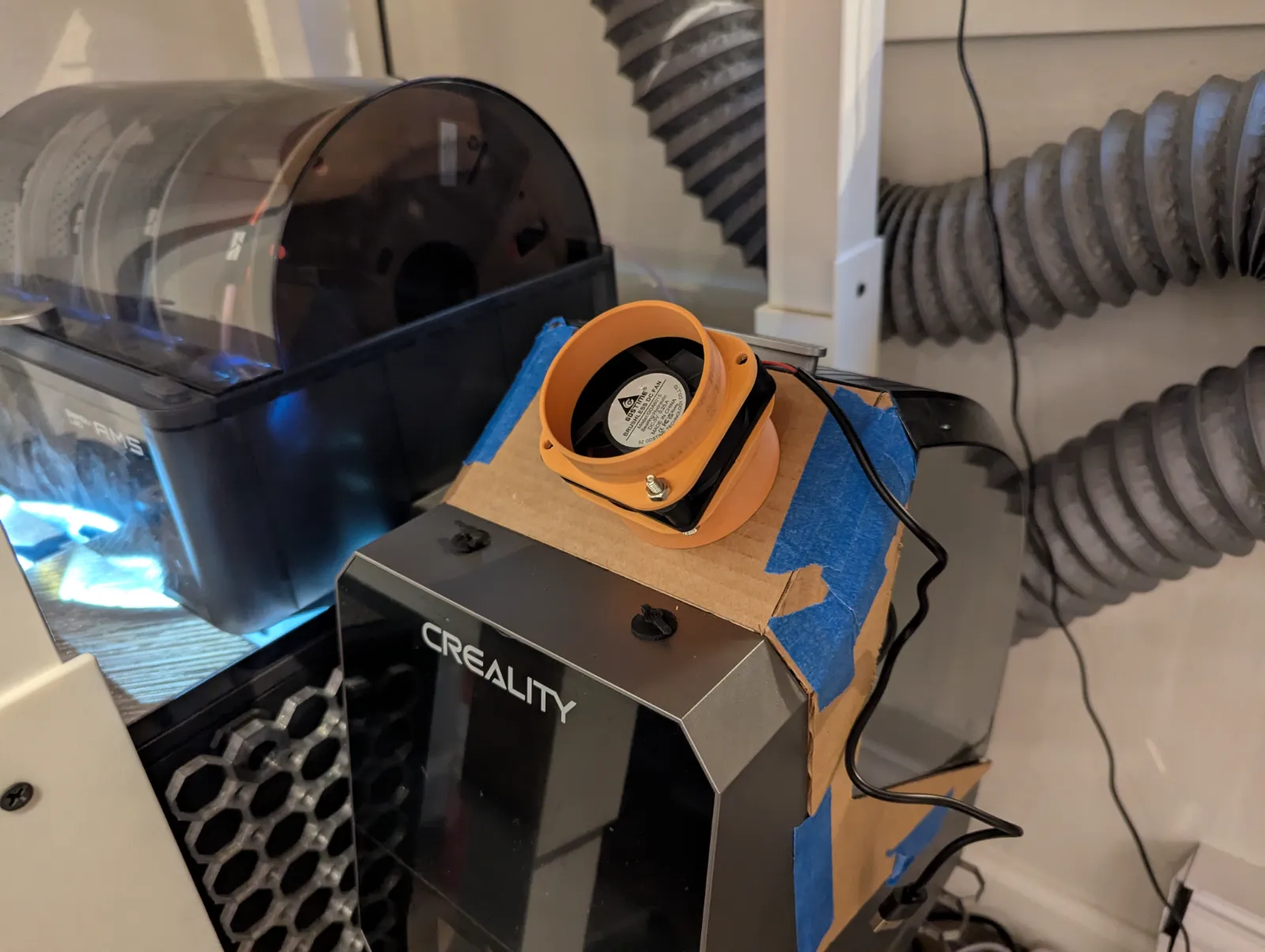
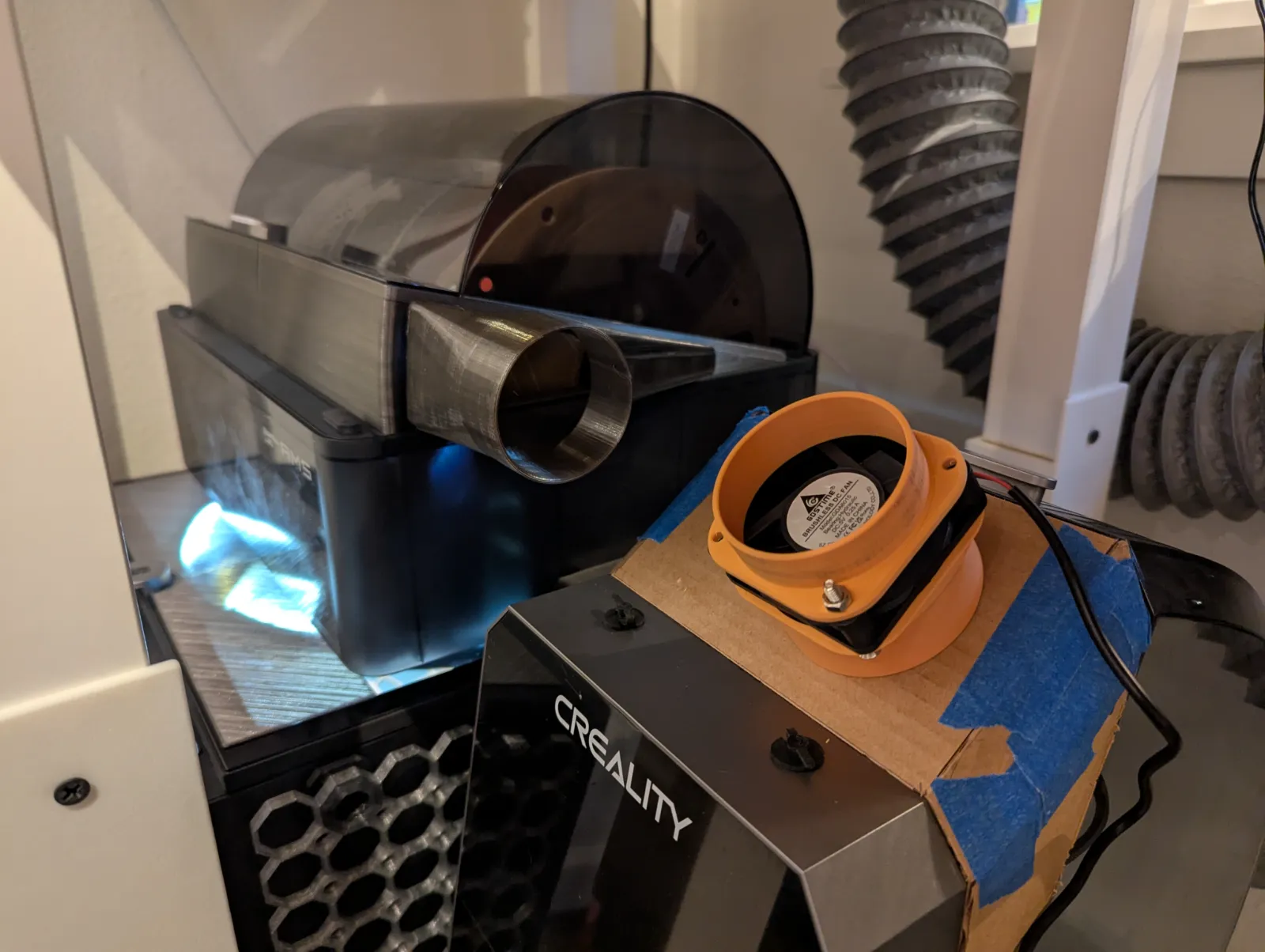
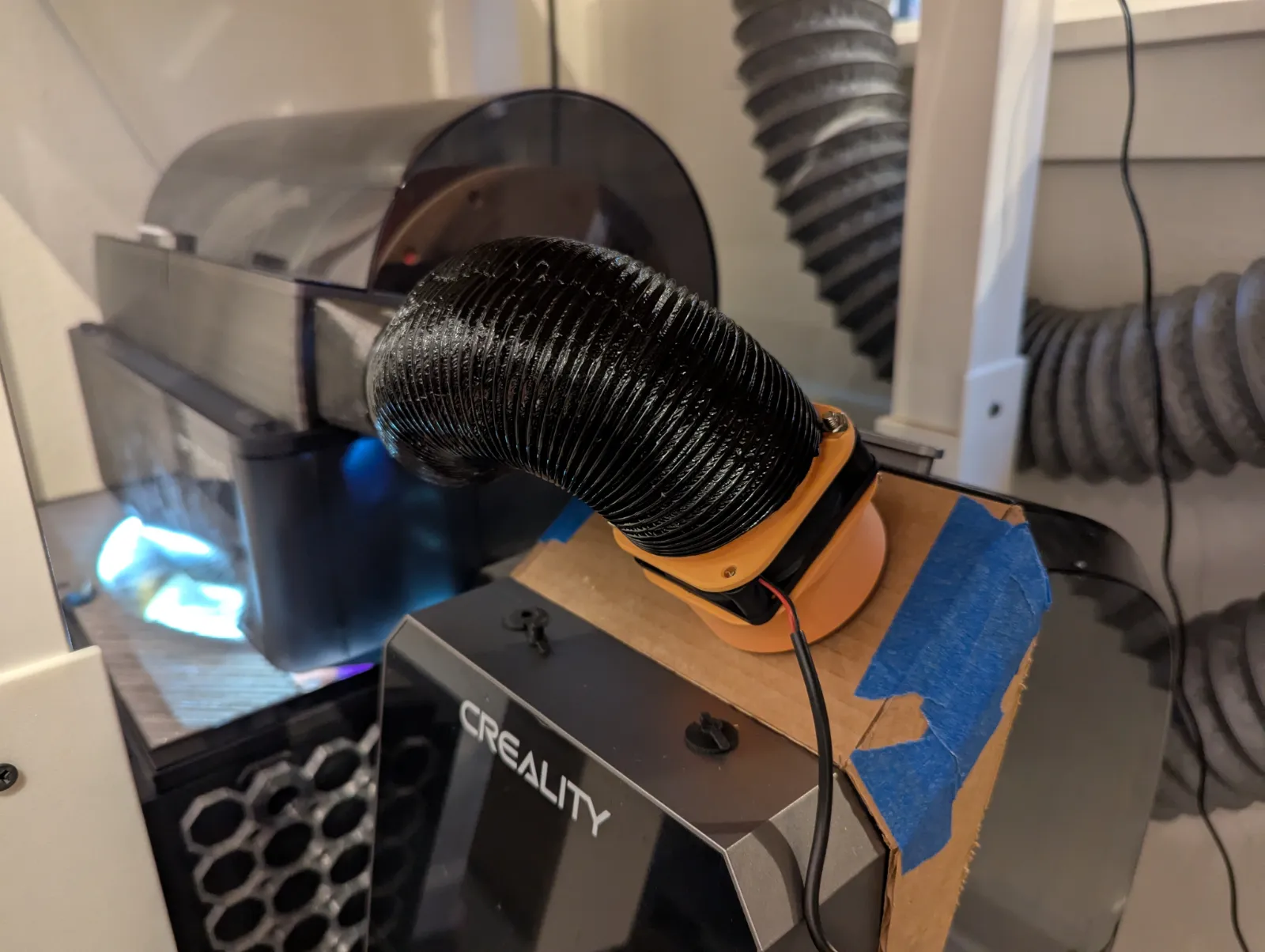
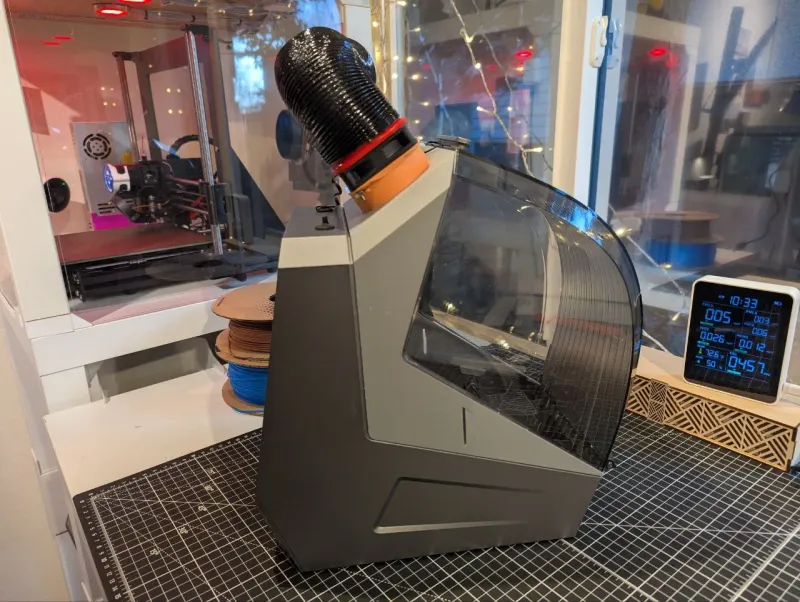
The idea was pretty straightforward. I already had a Creality filament dryer, which has a heating element and a fan and puts out warm dry exhaust. The AMS is sitting right there taking in filament. What if I just routed the dryer’s exhaust directly into the AMS intake so the filament is getting dried continuously as it feeds into the printer? No new heat source, no added electronics, just redirecting what’s already there.
The problem is these two products were never meant to talk to each other. Different companies, totally different geometries, no shared standard for anything. So I had to figure out the exact profiles of both units and design parts that would bridge them cleanly.
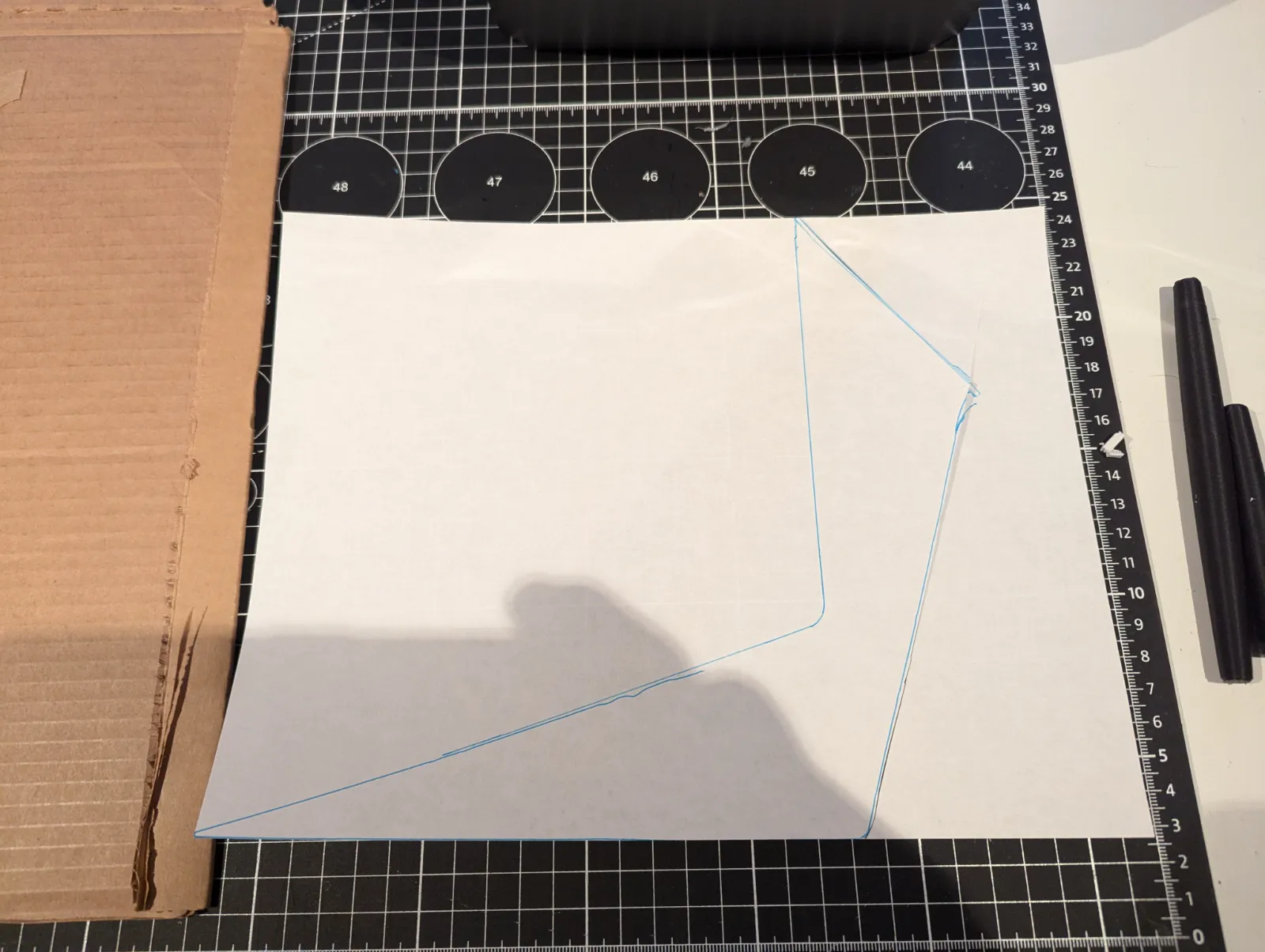
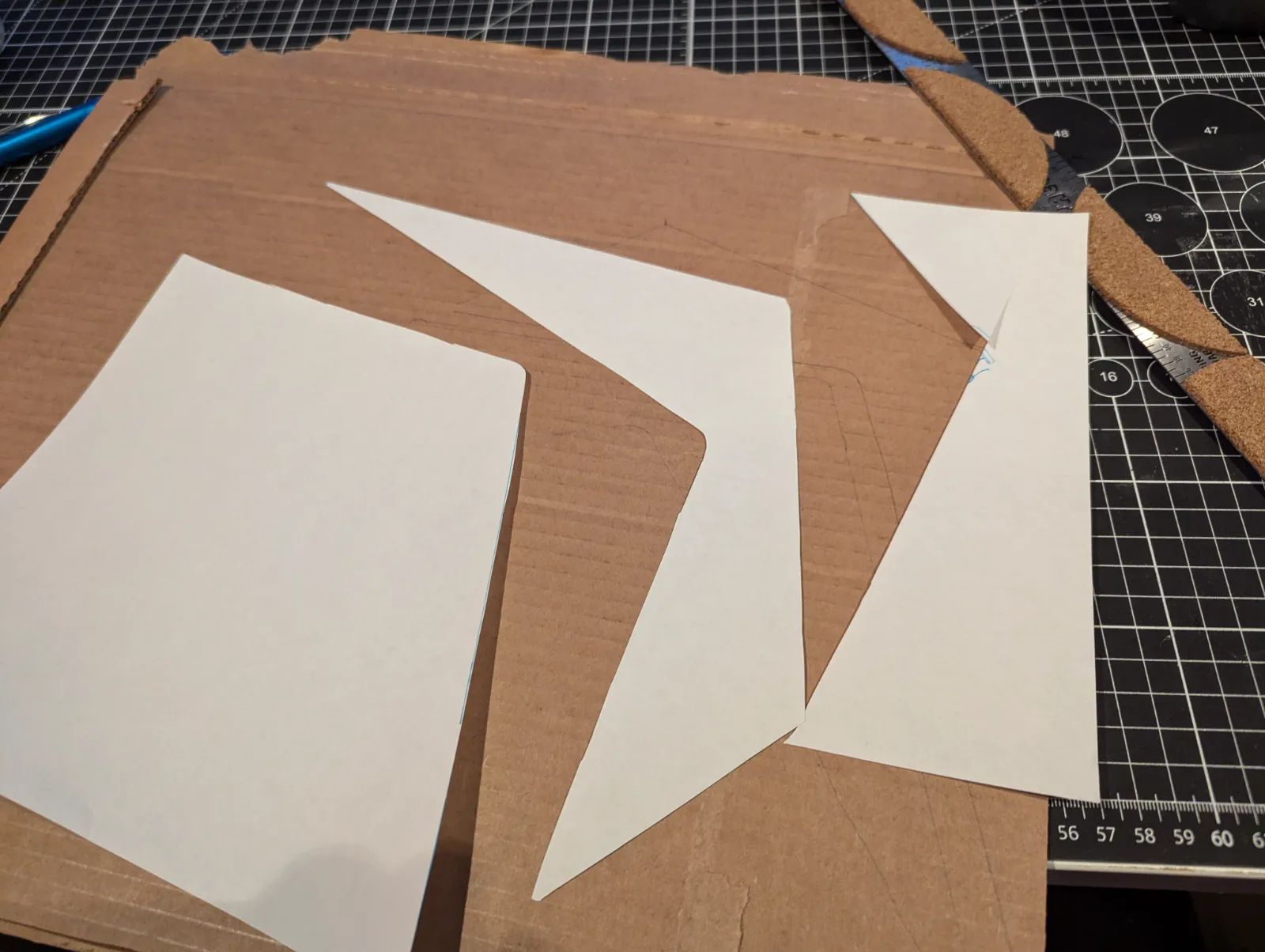
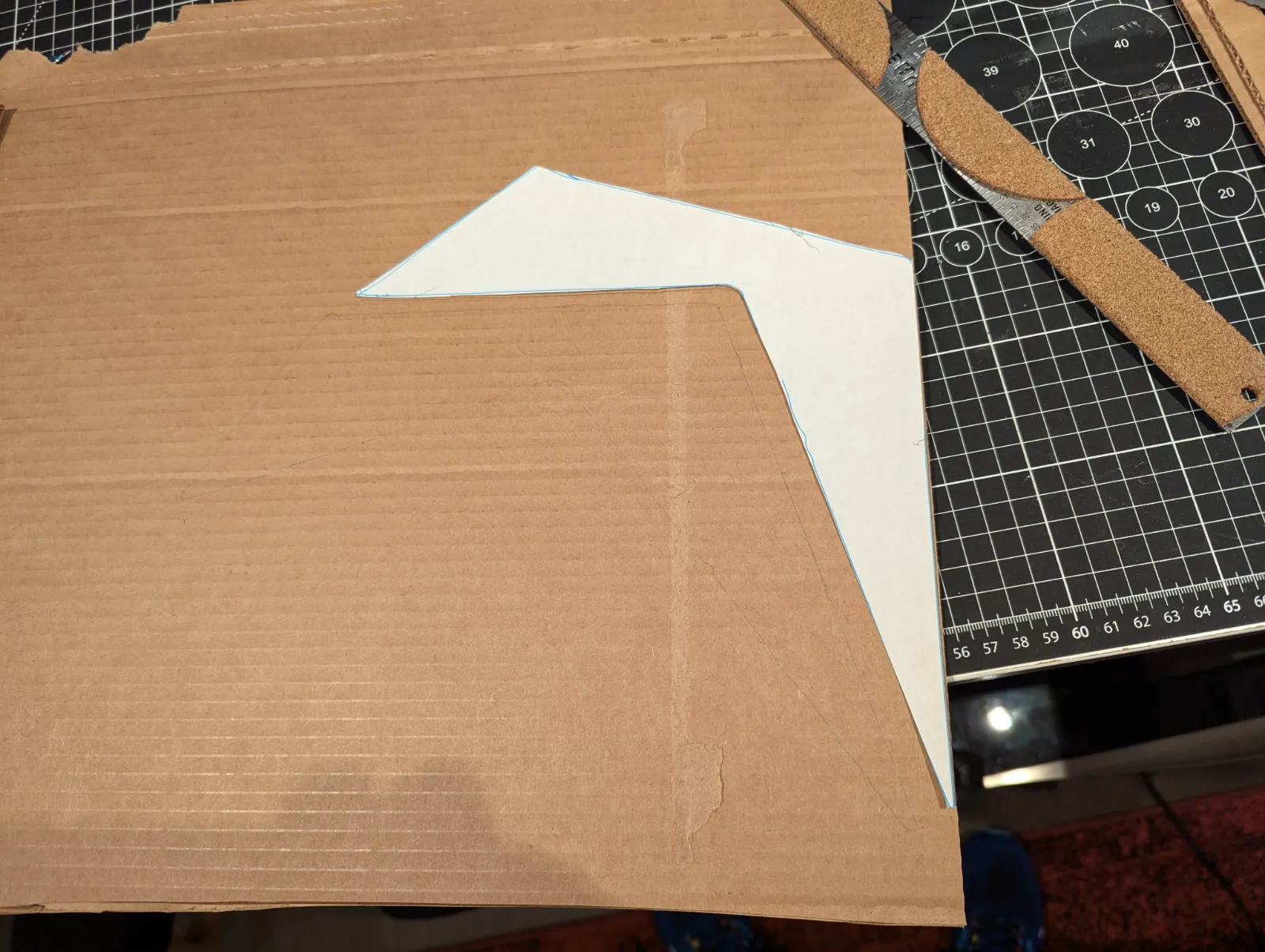
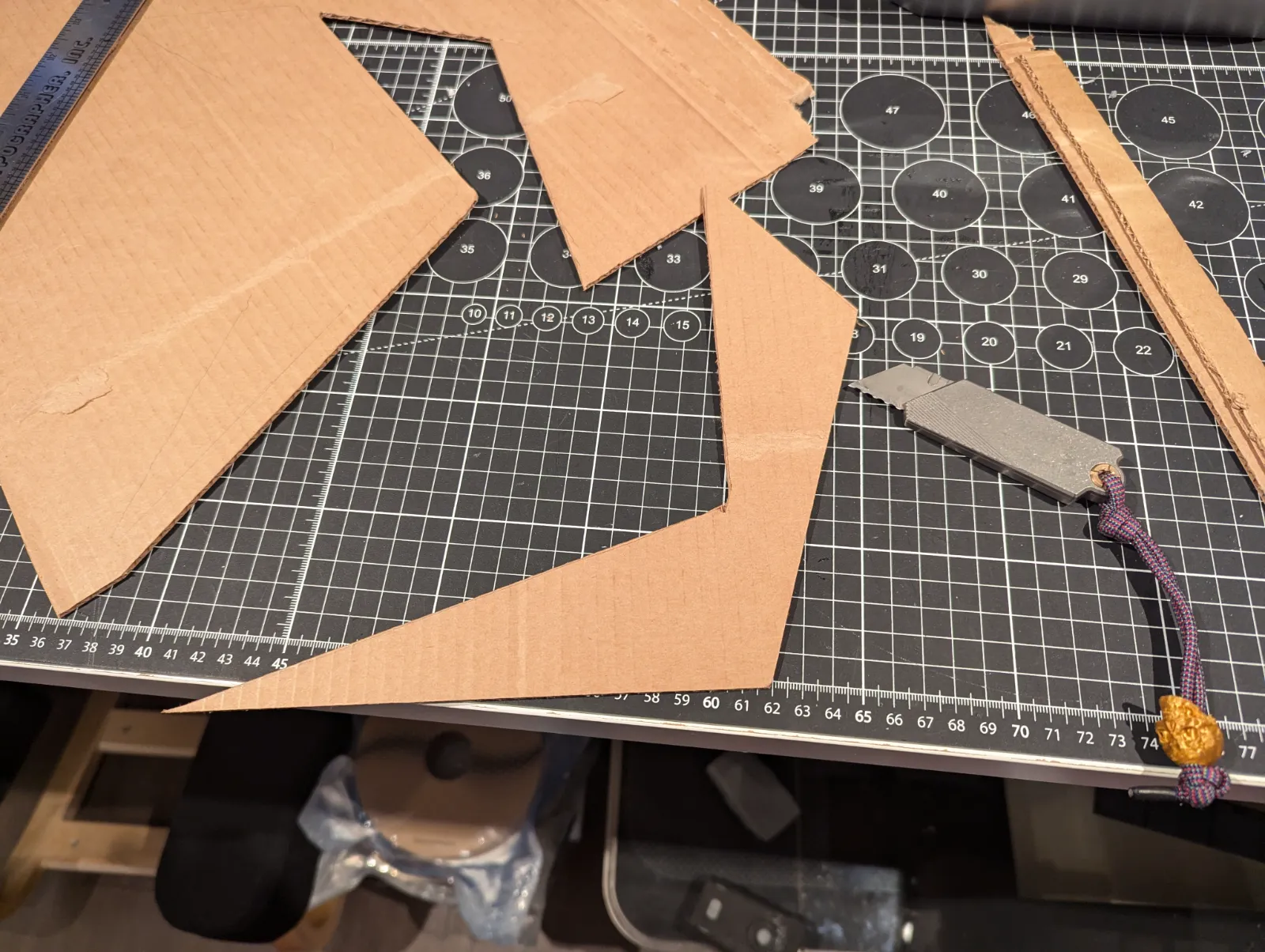
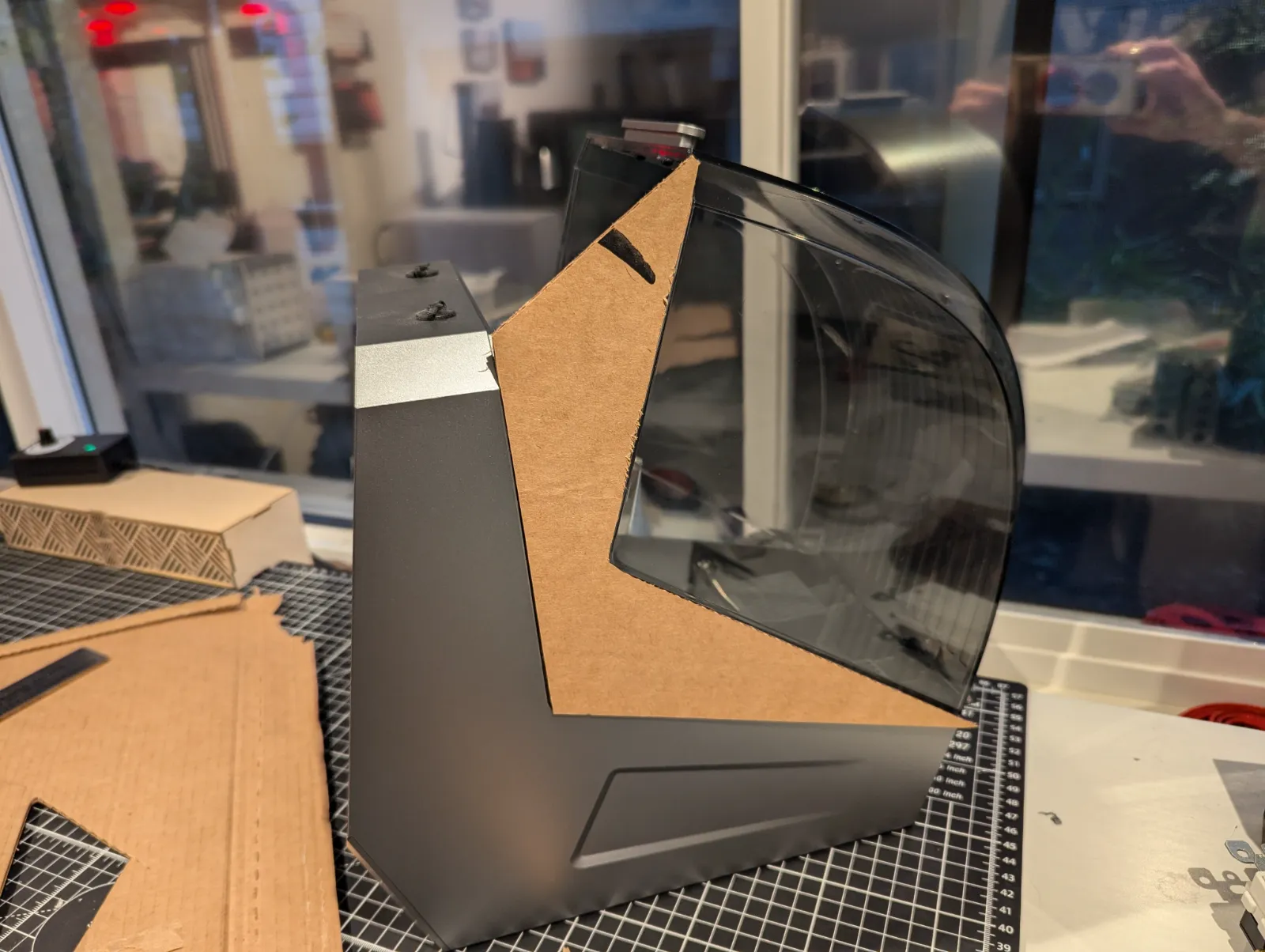
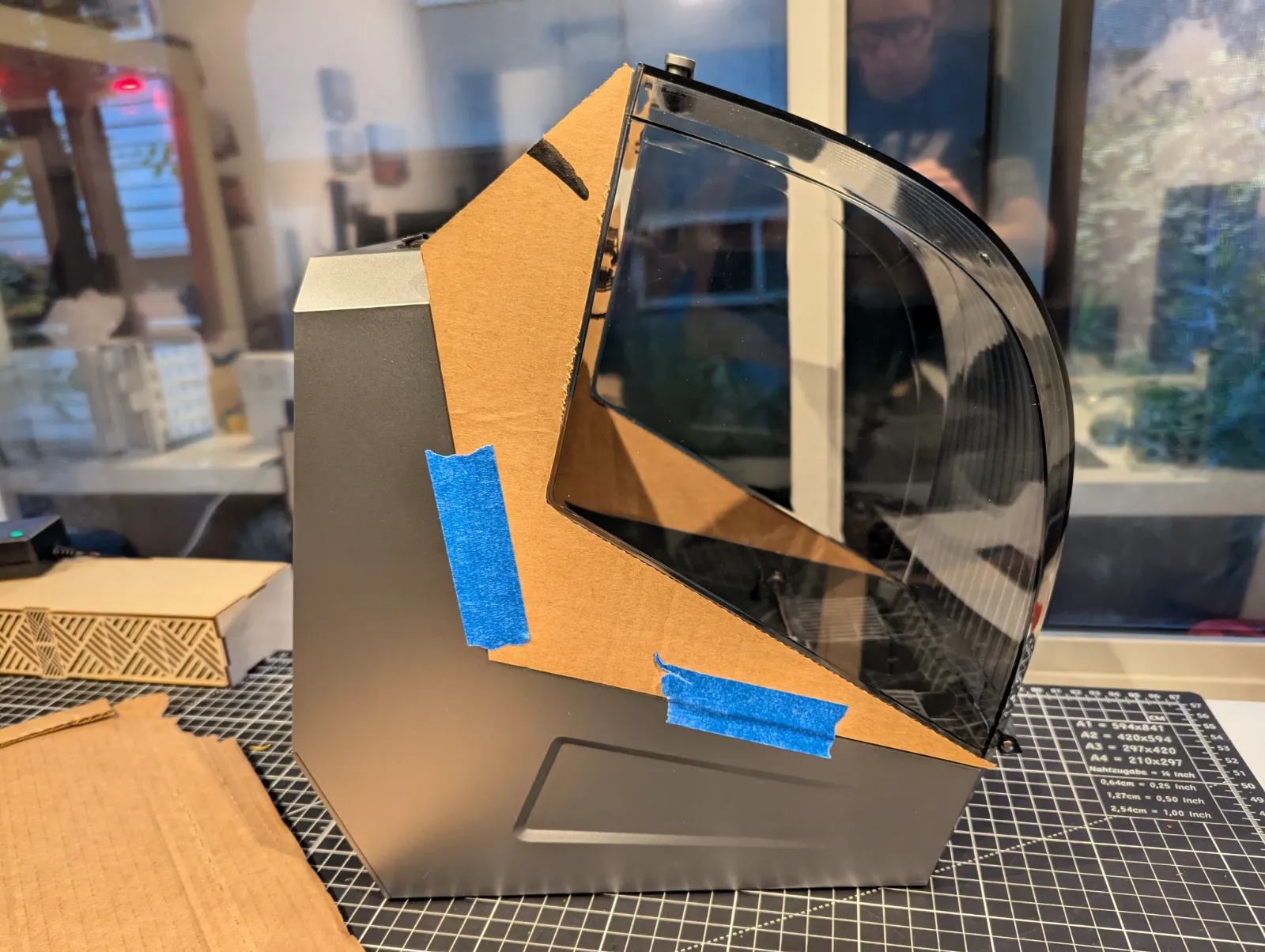
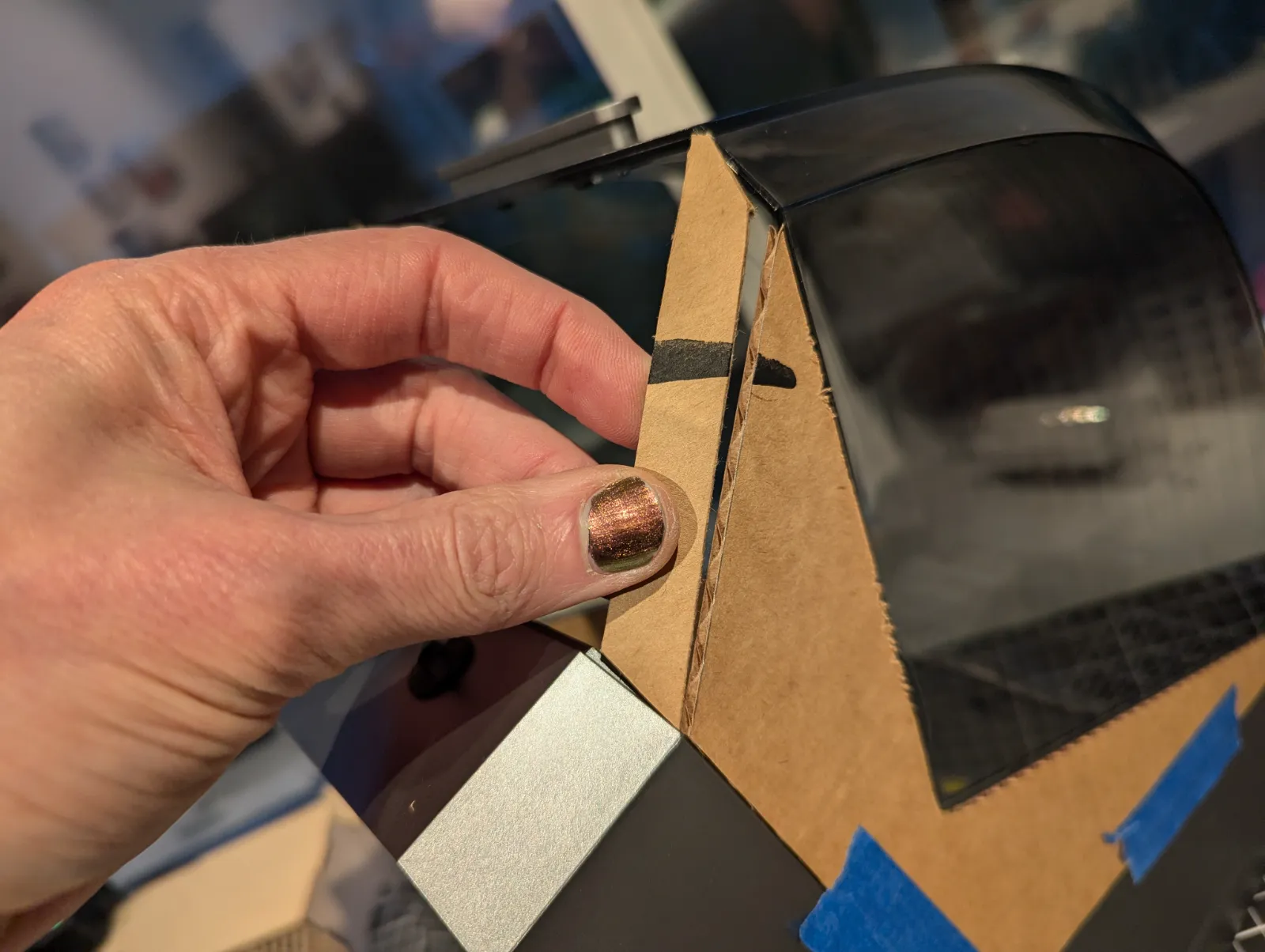
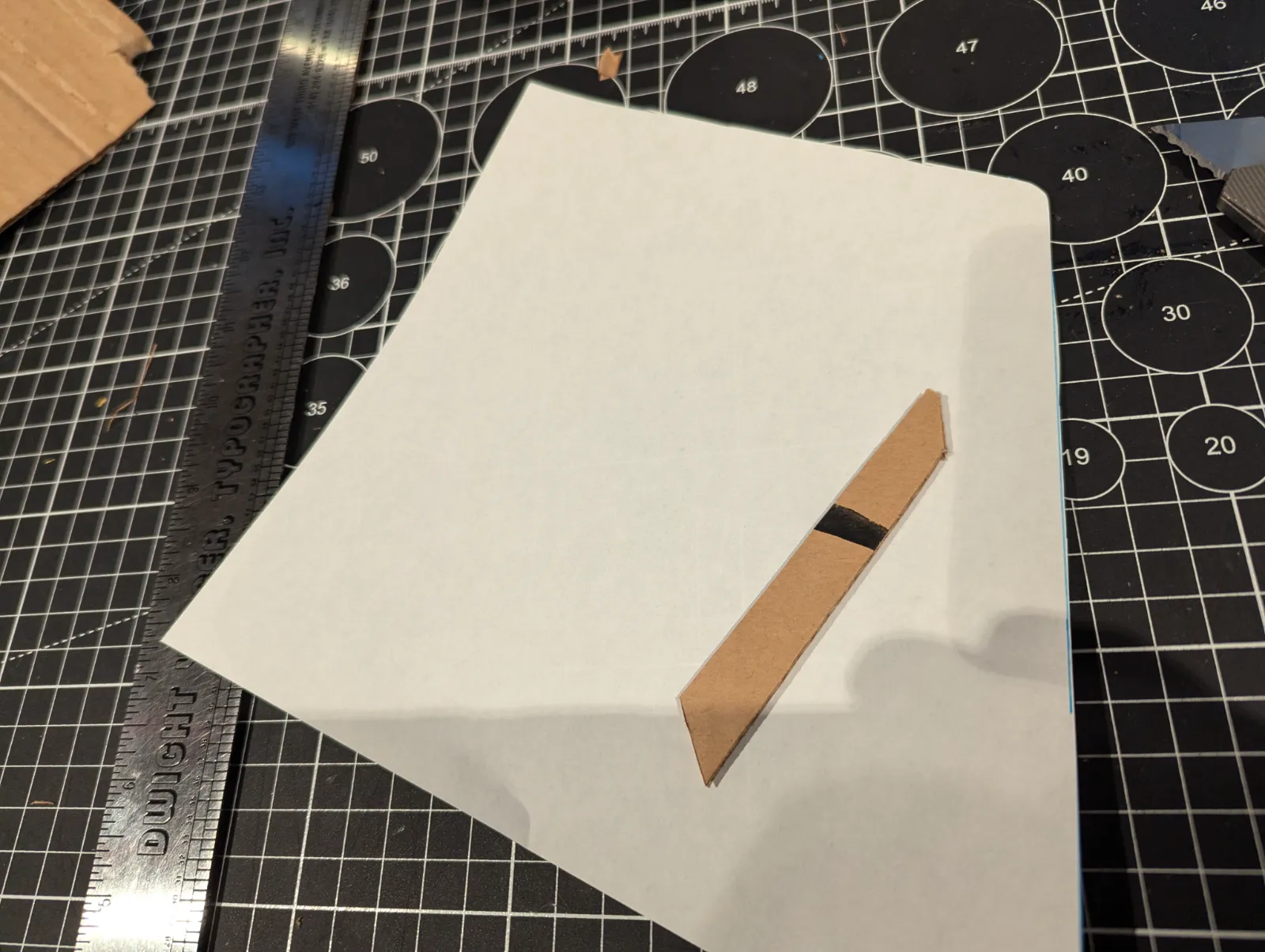
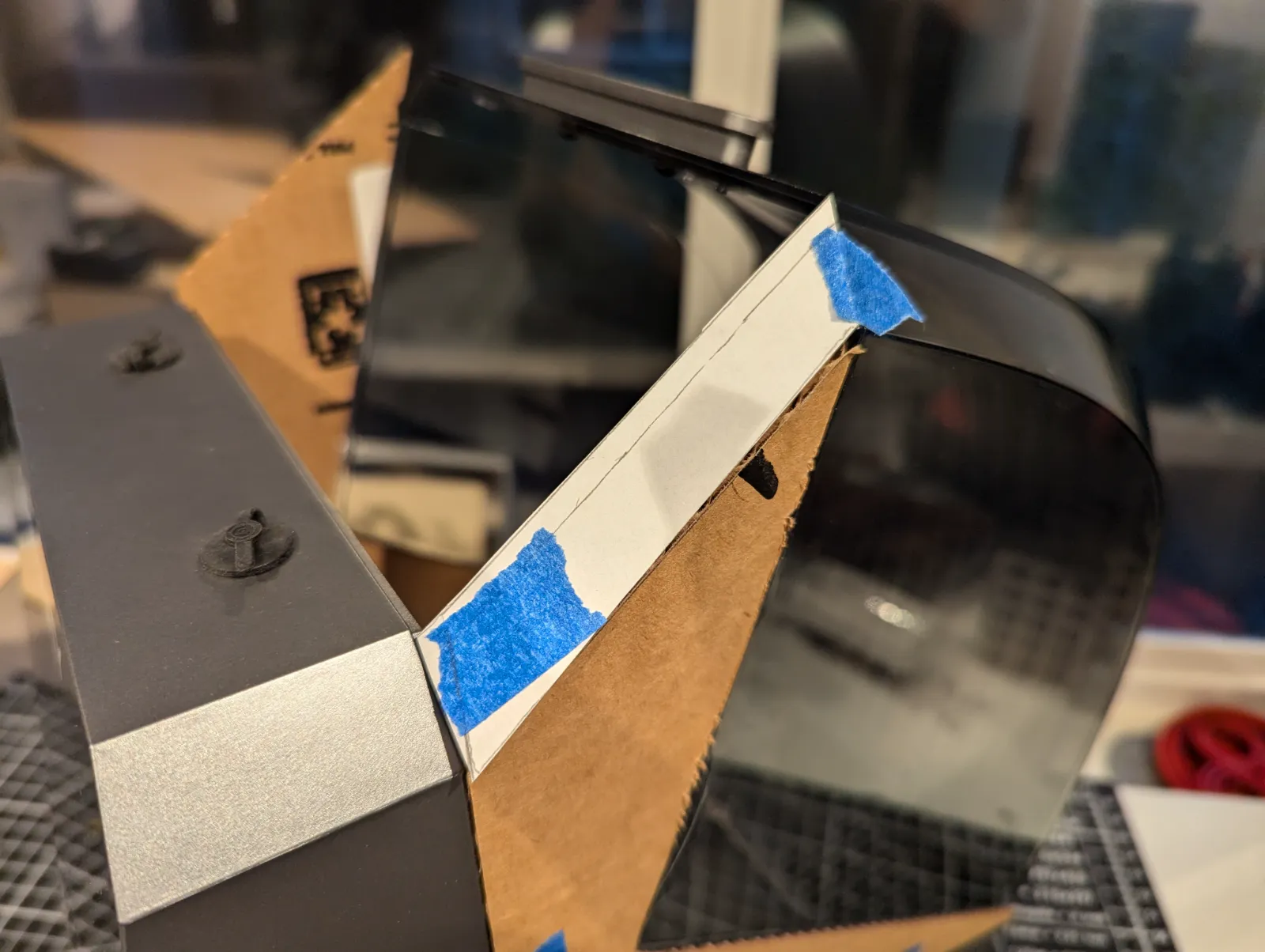
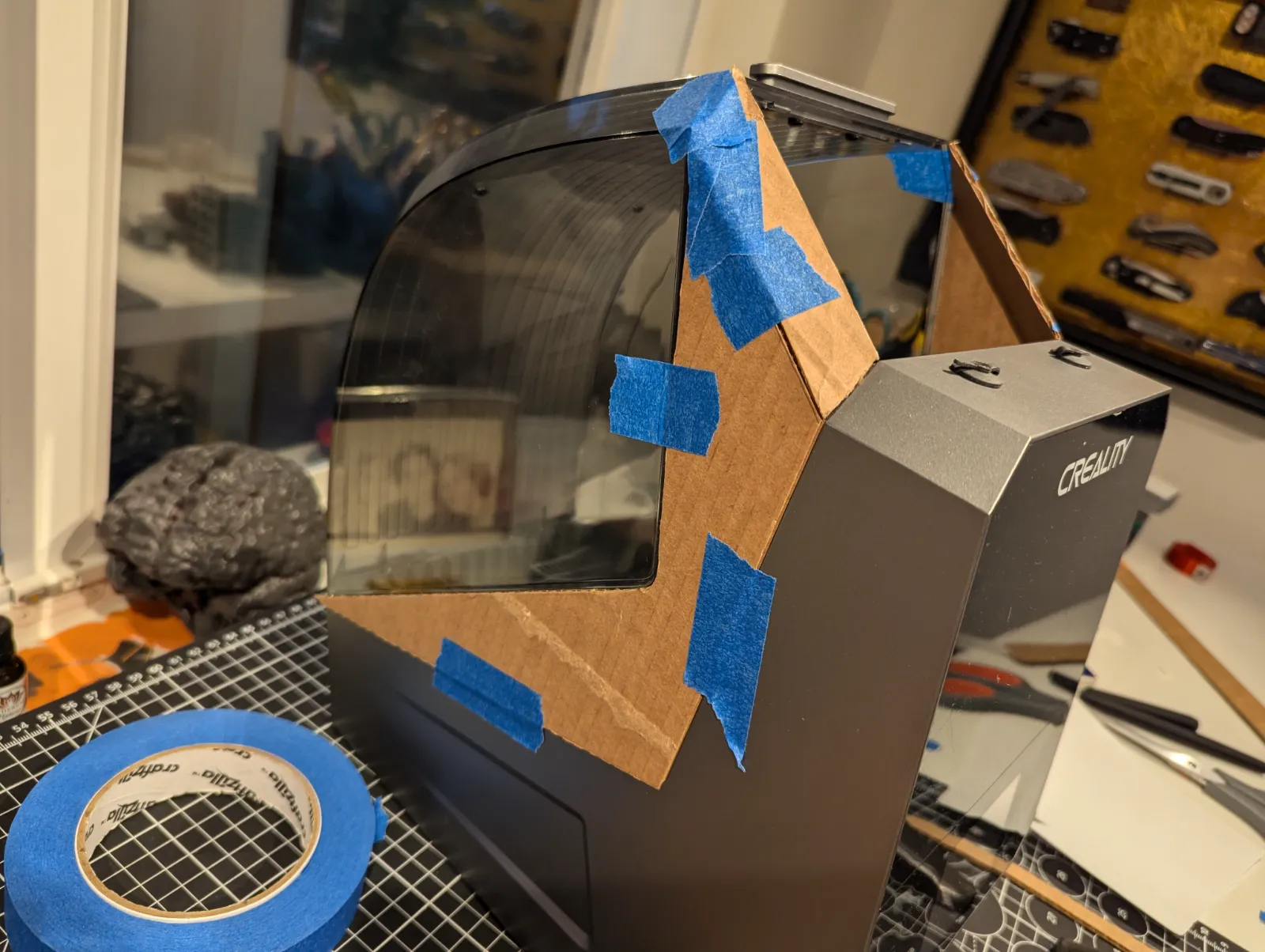
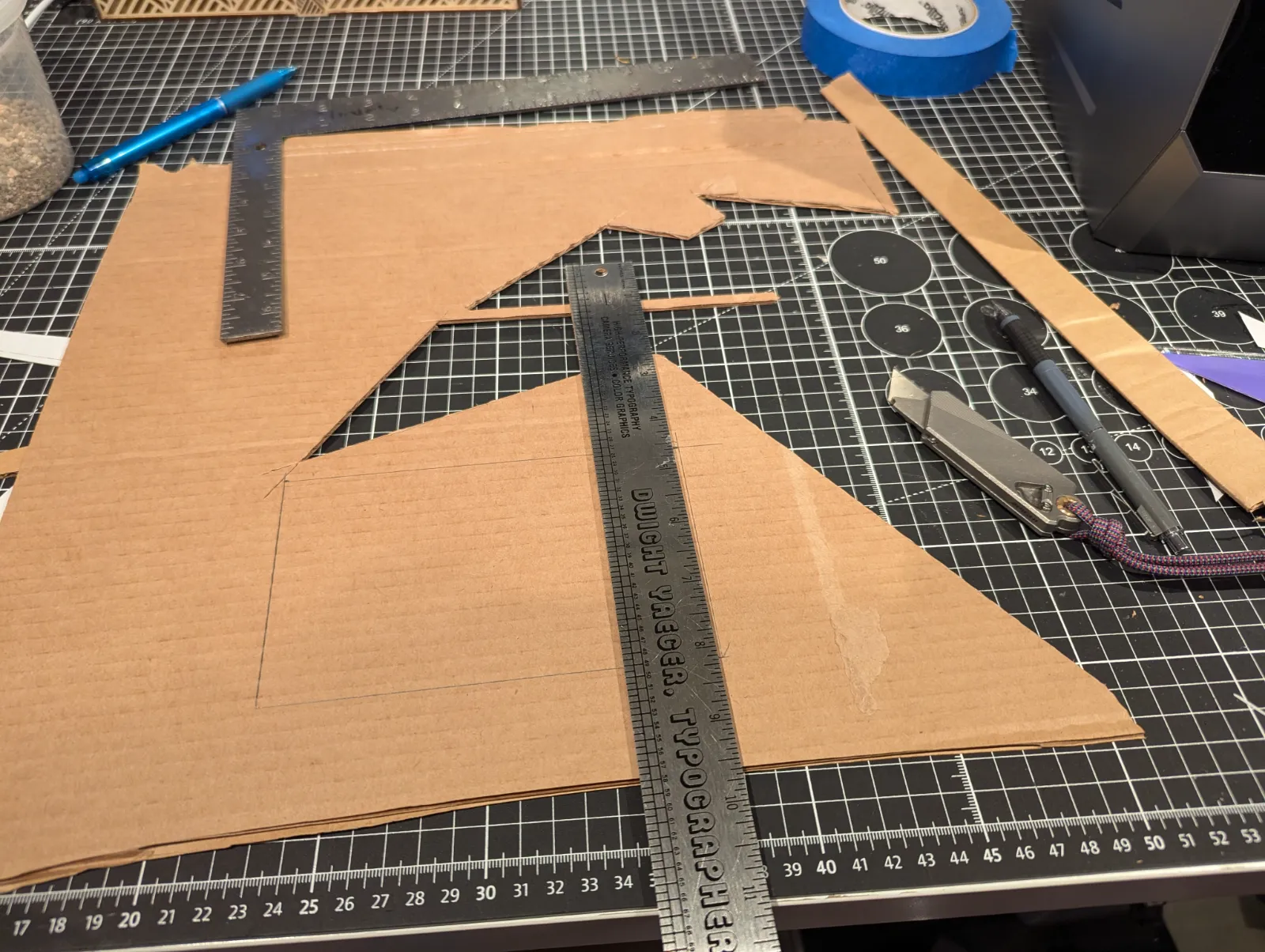
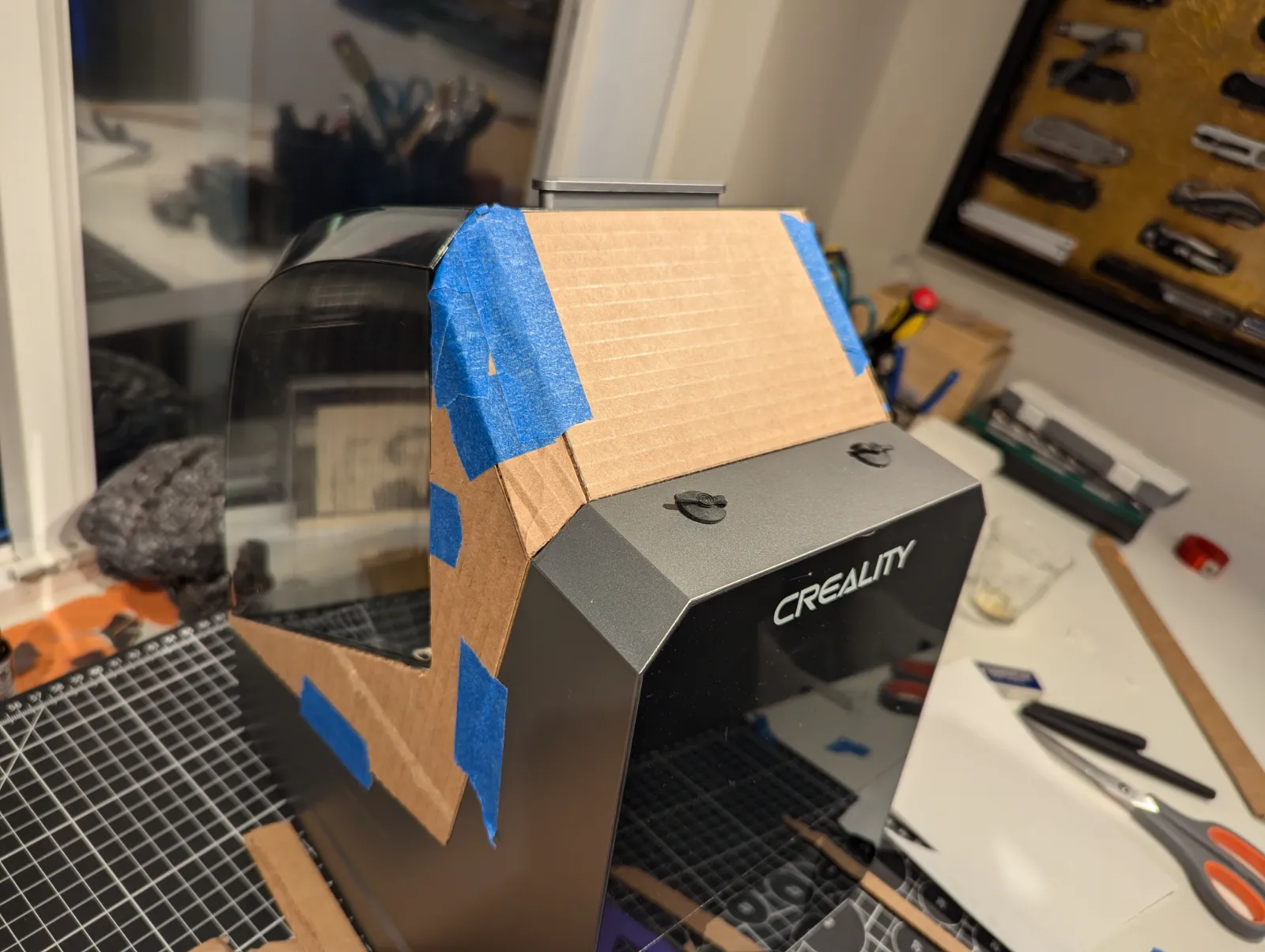
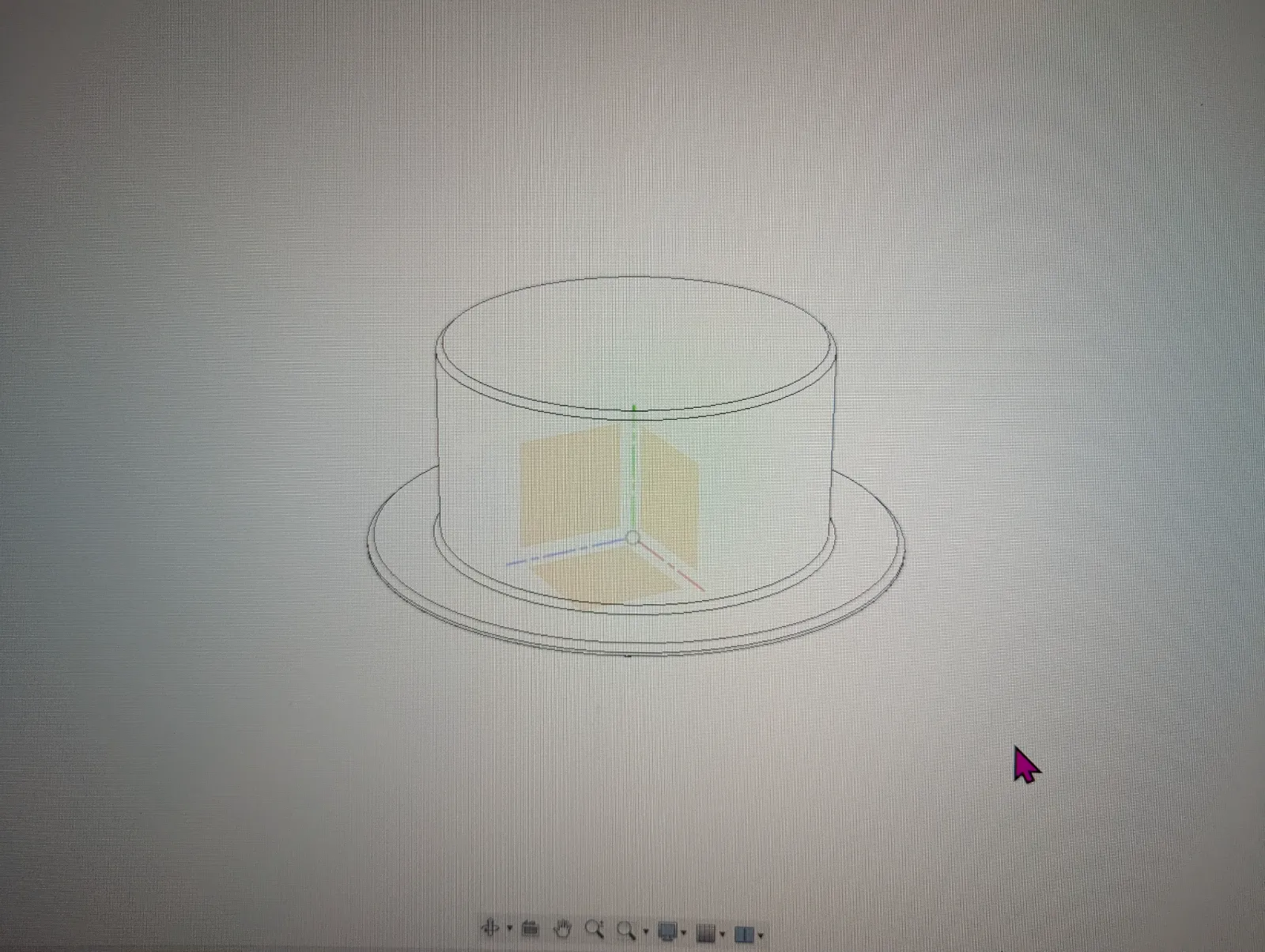
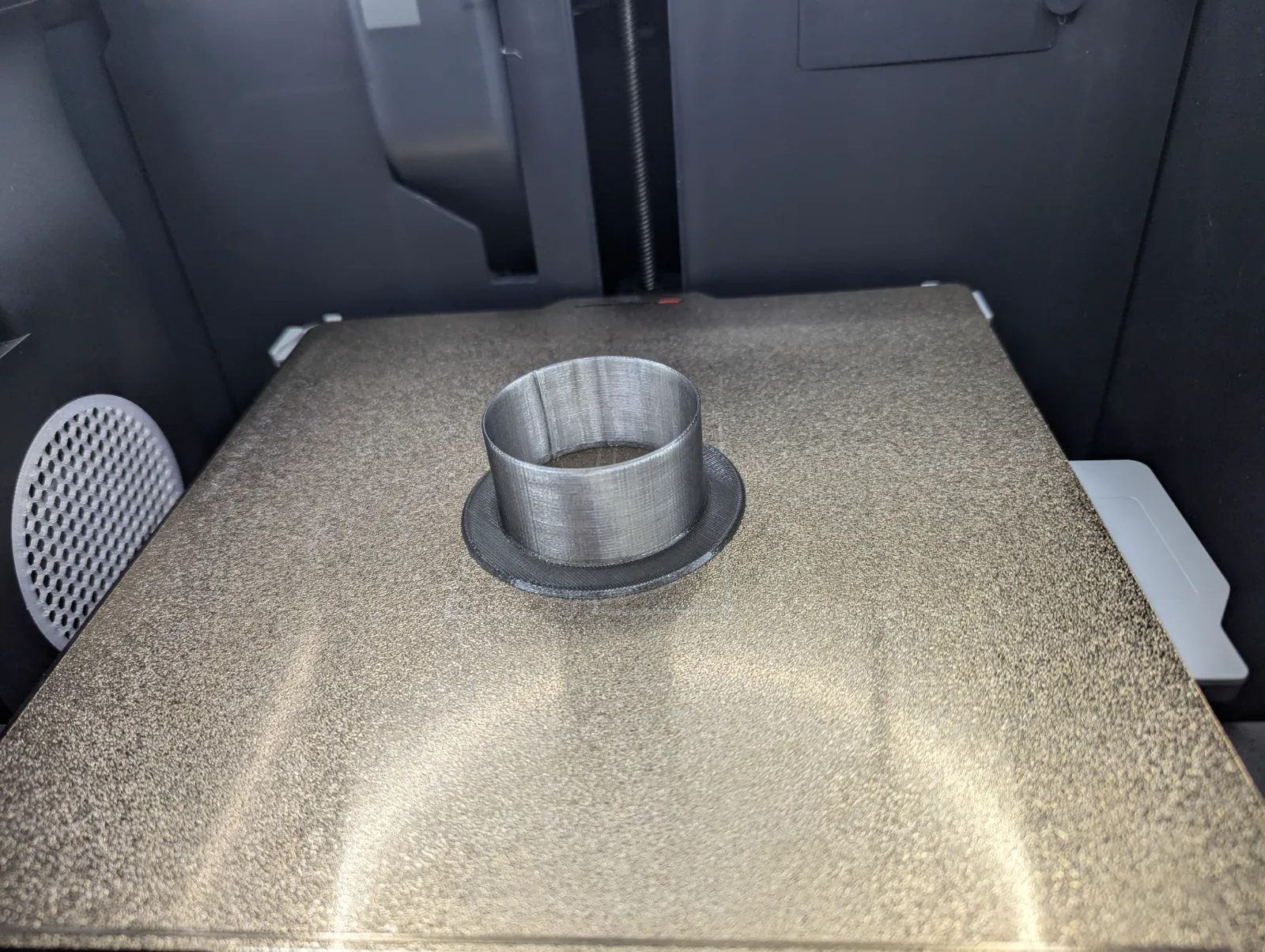
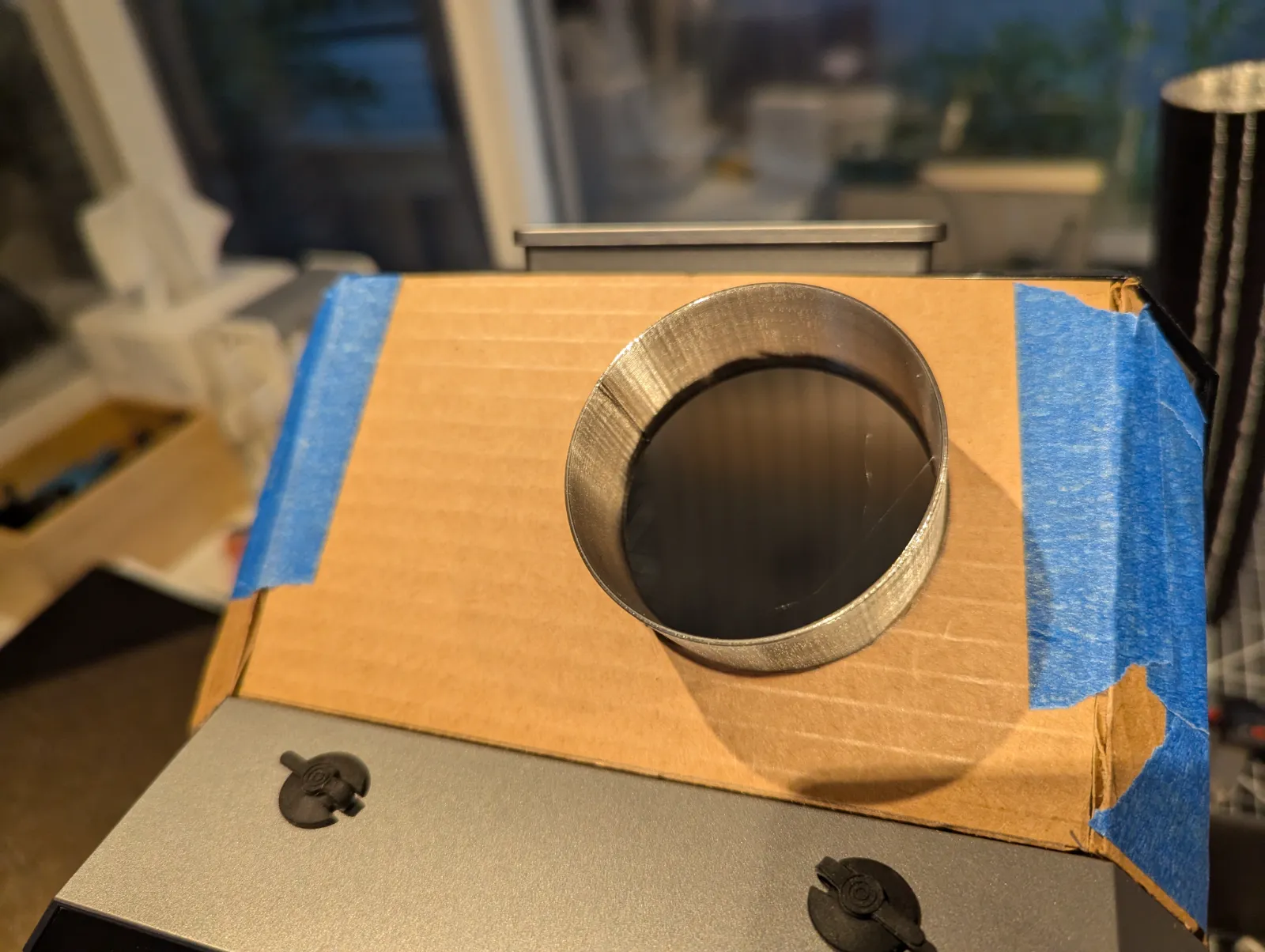
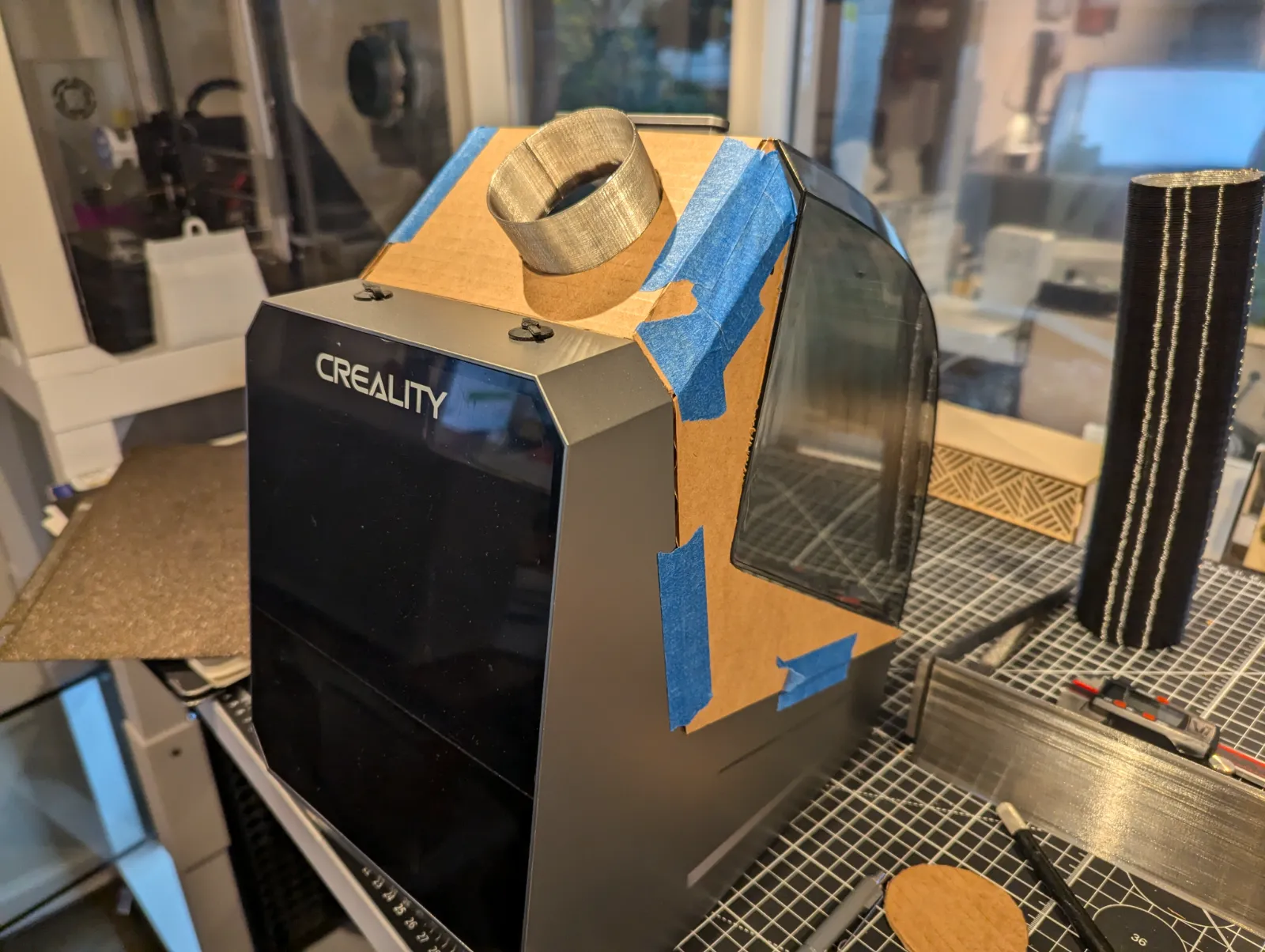
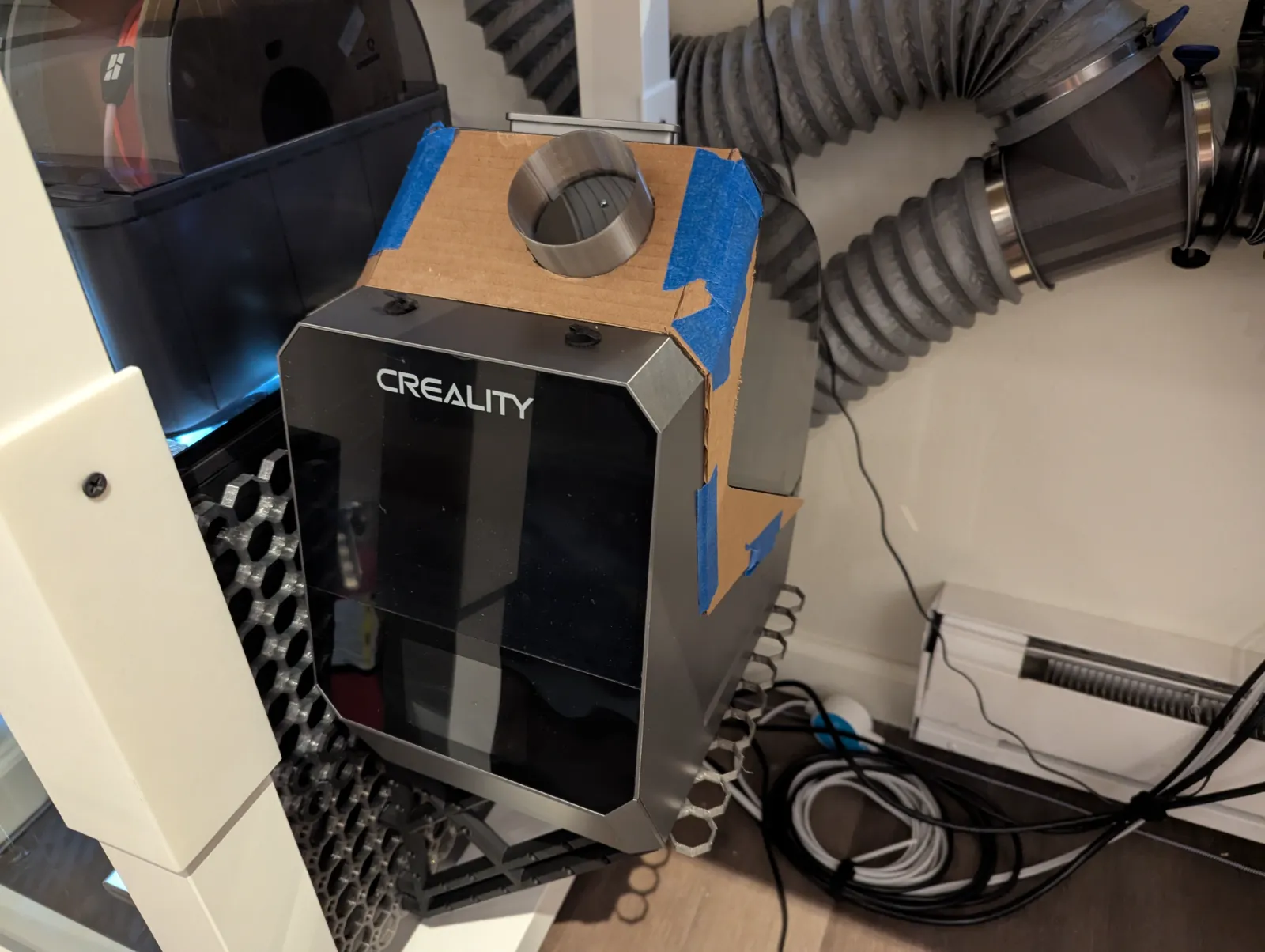
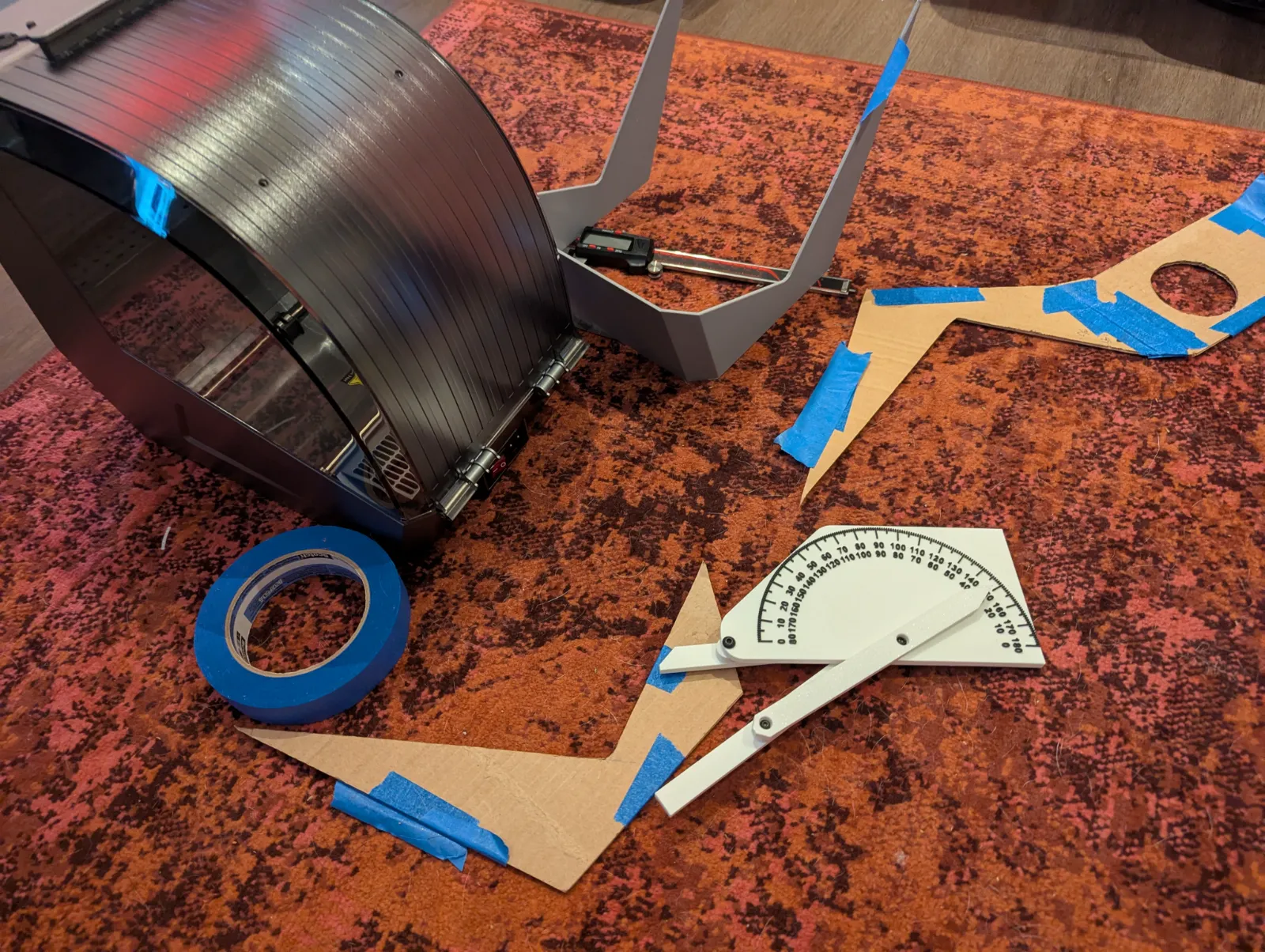
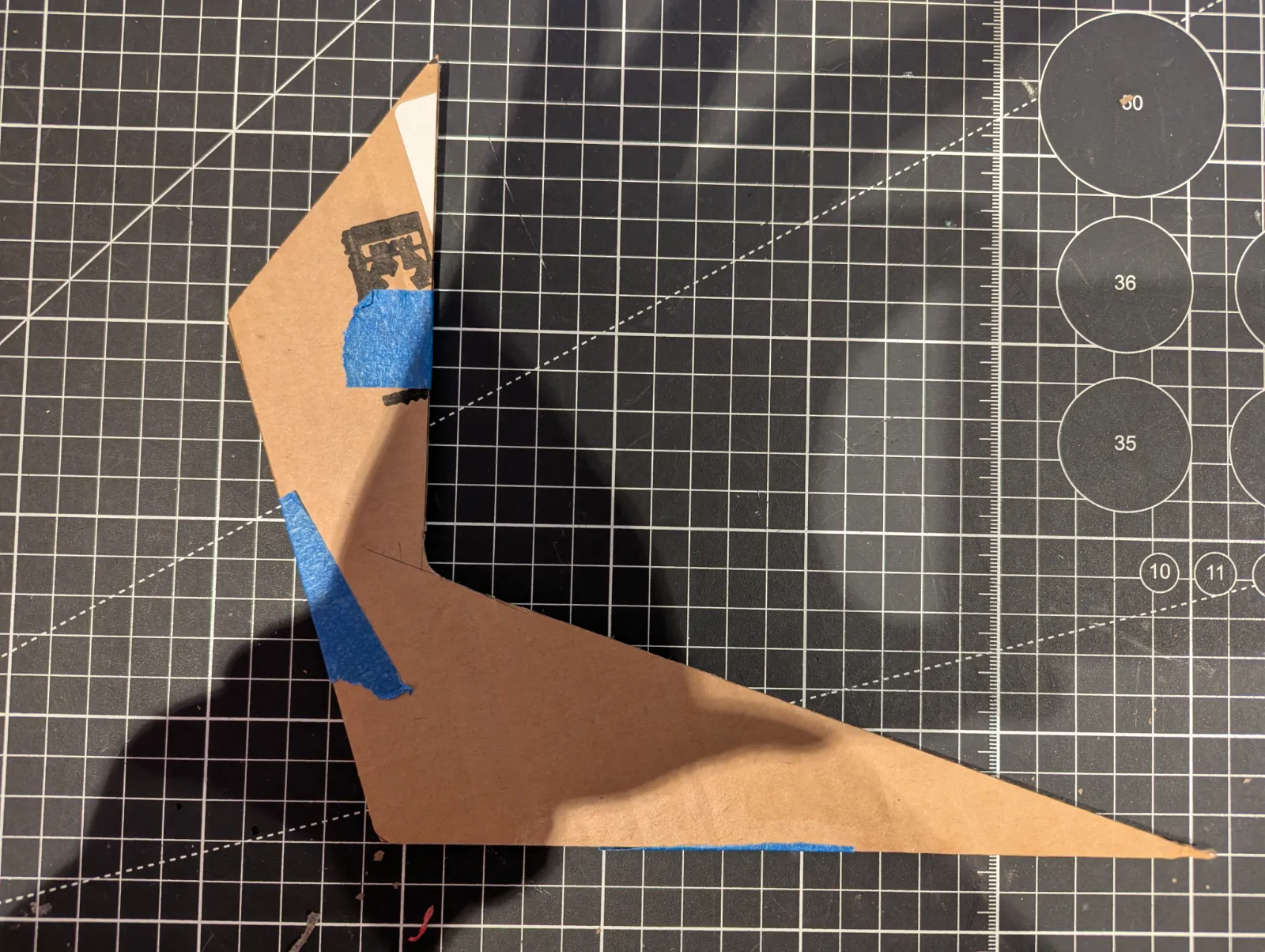
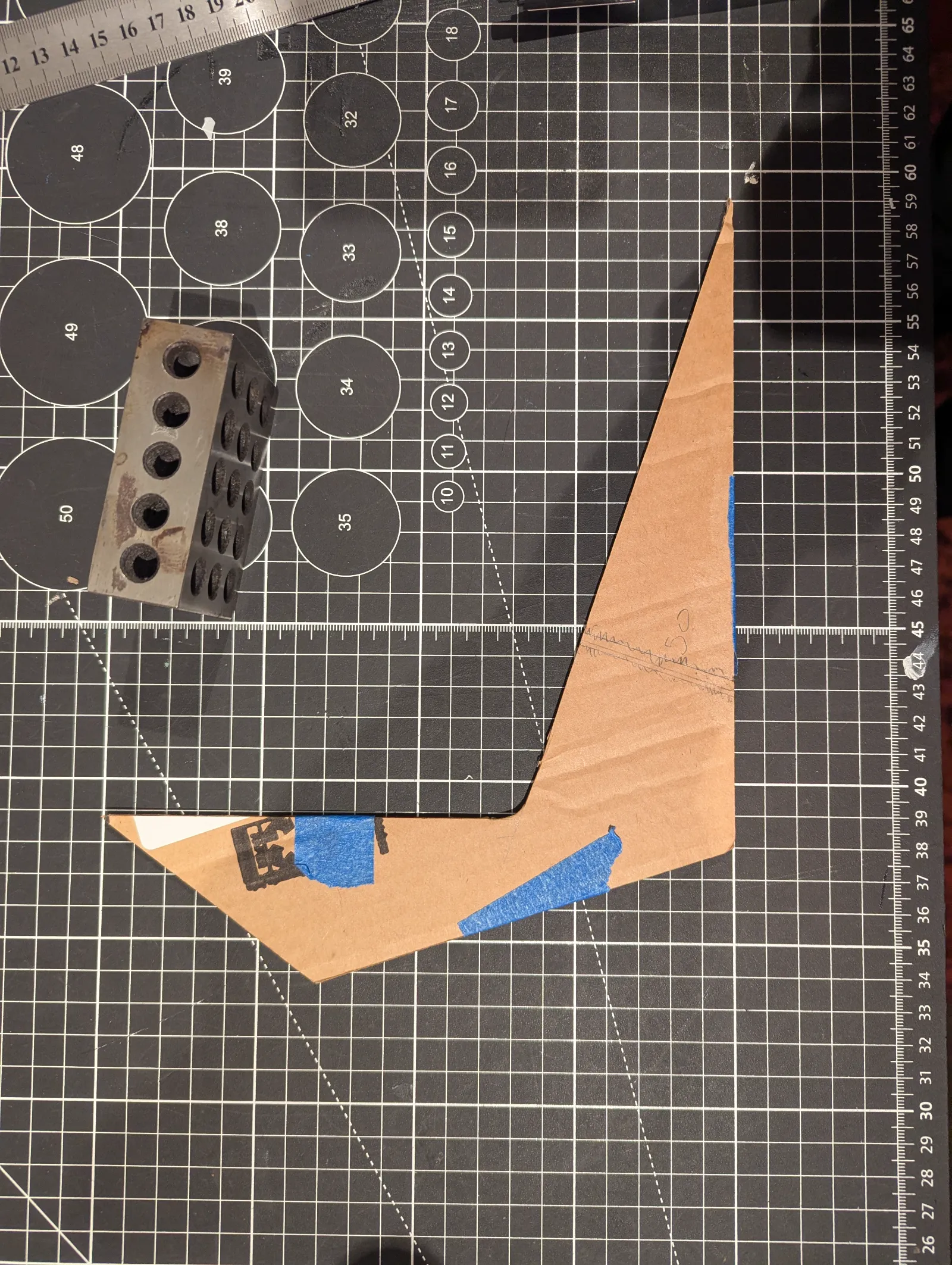
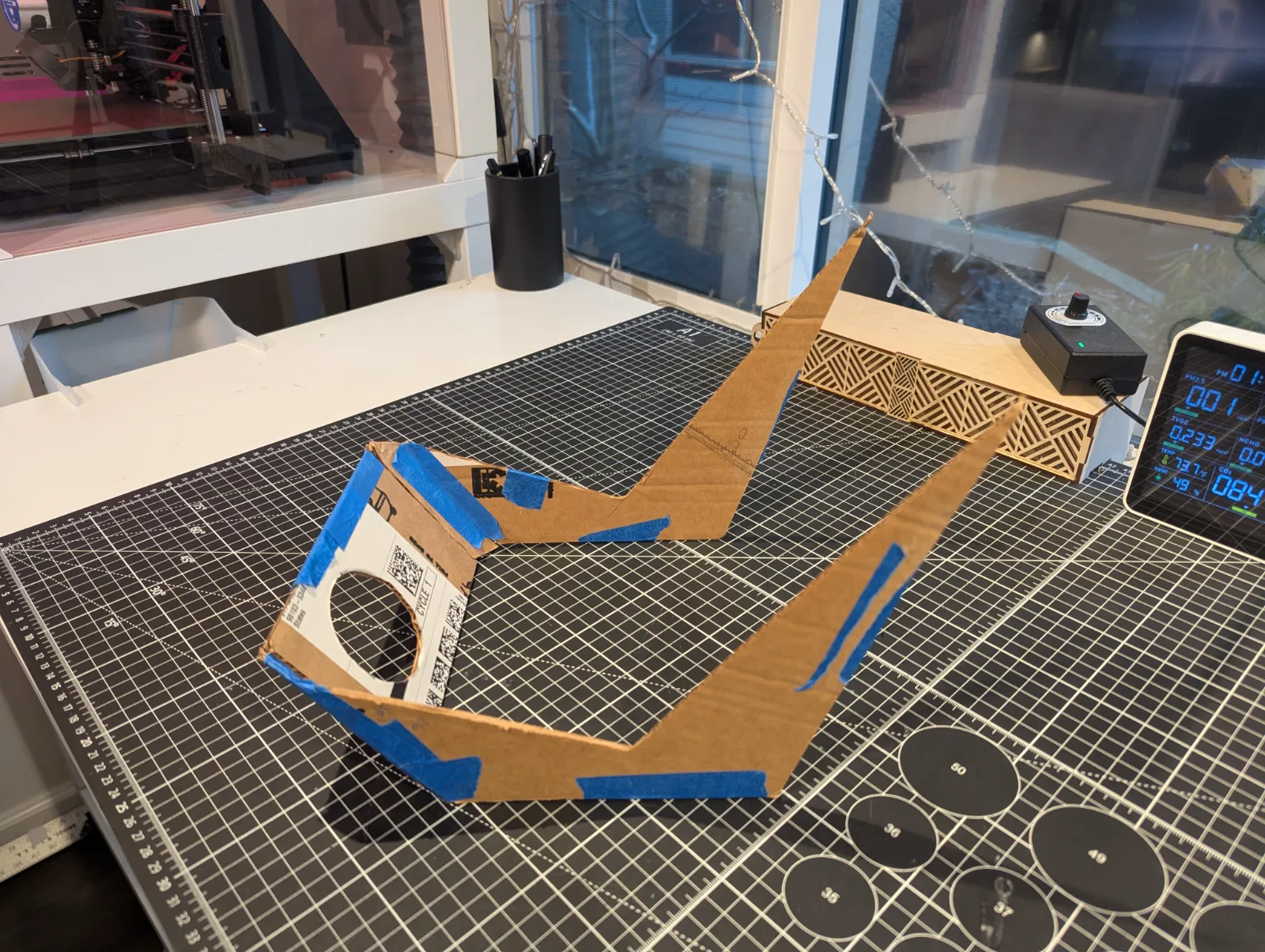
I started with cardboard and blue tape, just making physical templates that captured the actual shapes, the angles, the screw boss locations, where the edges register. Once I had templates that actually matched the real parts I translated those into CAD and started printing.
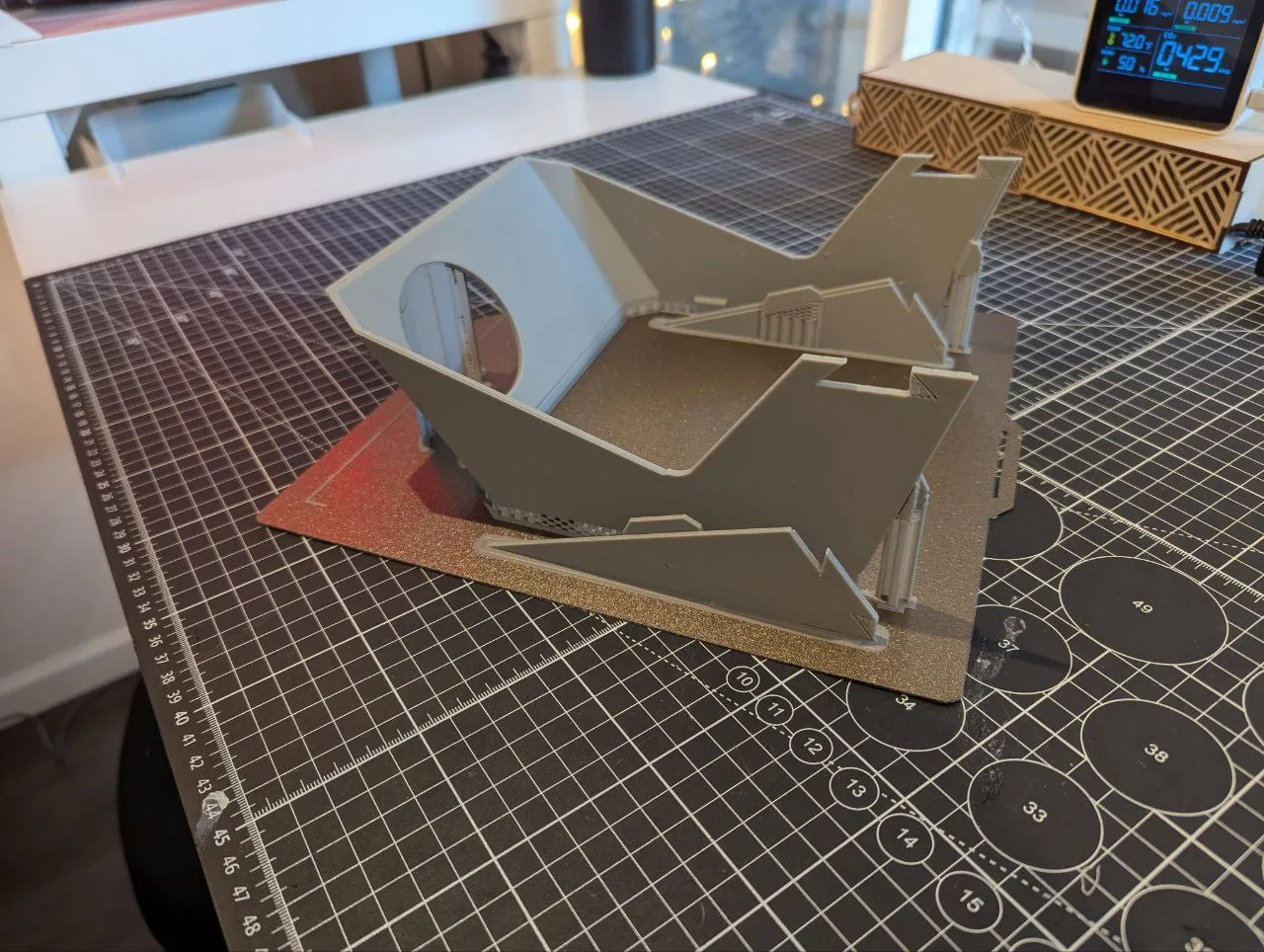
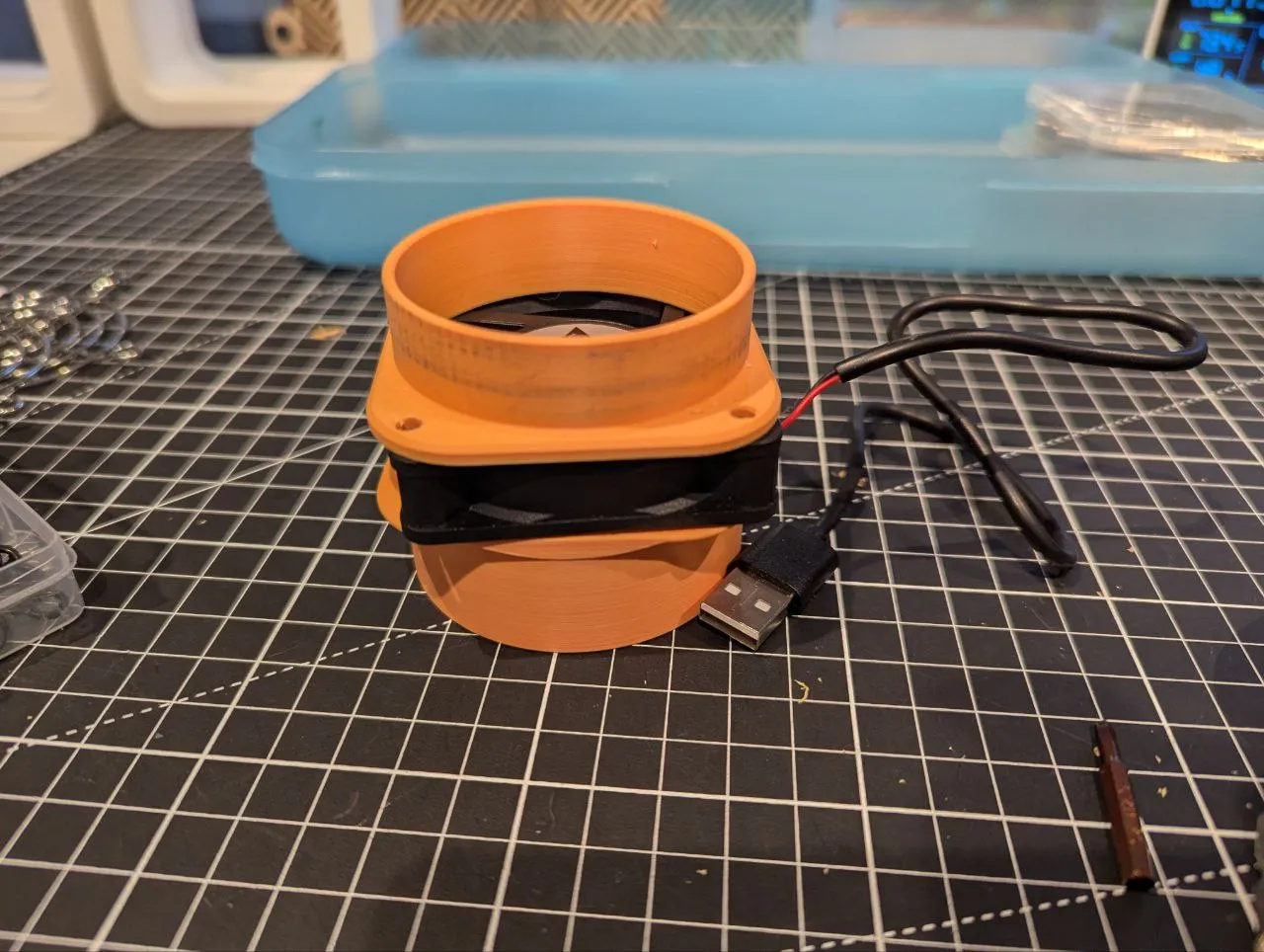
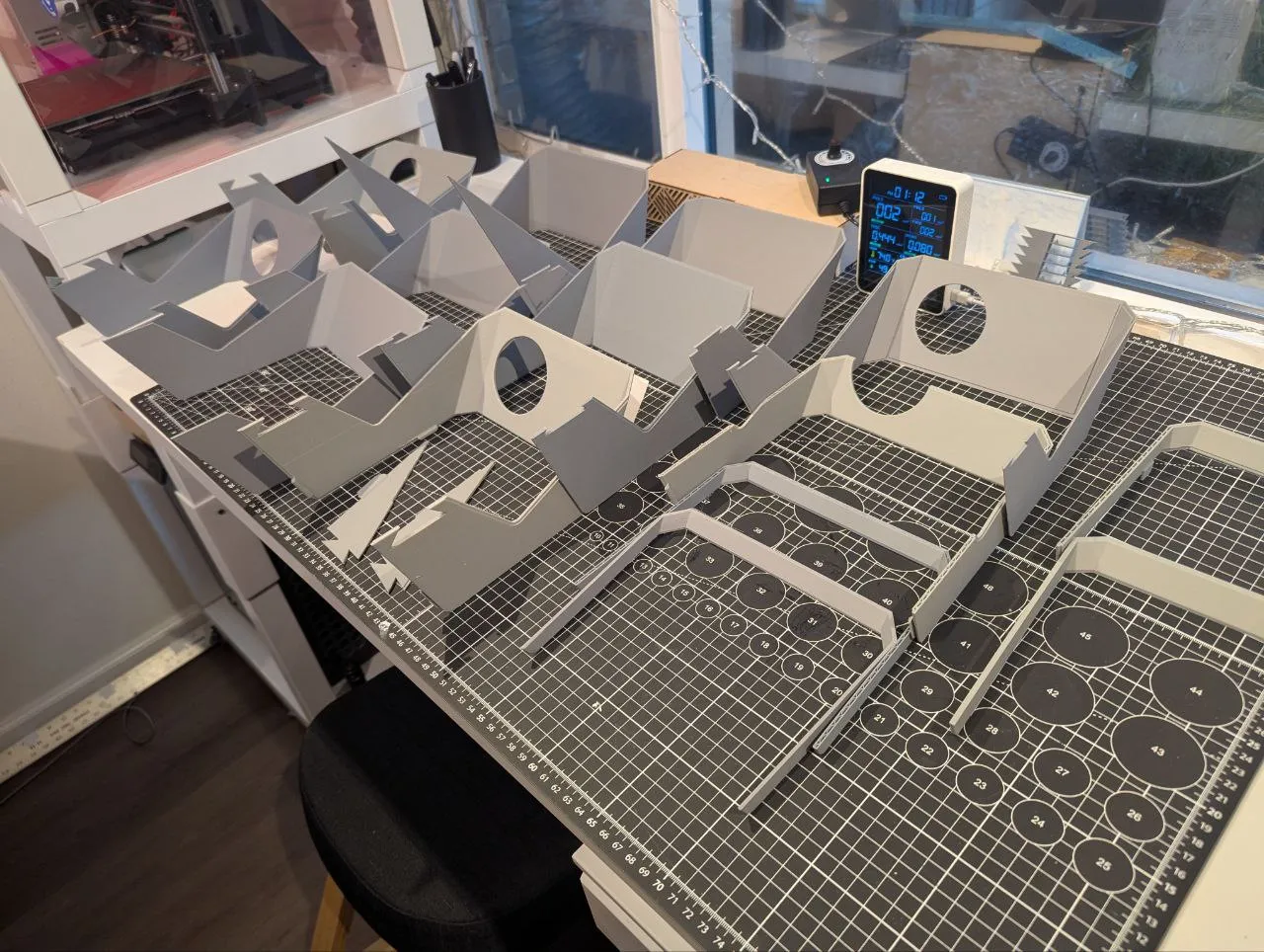
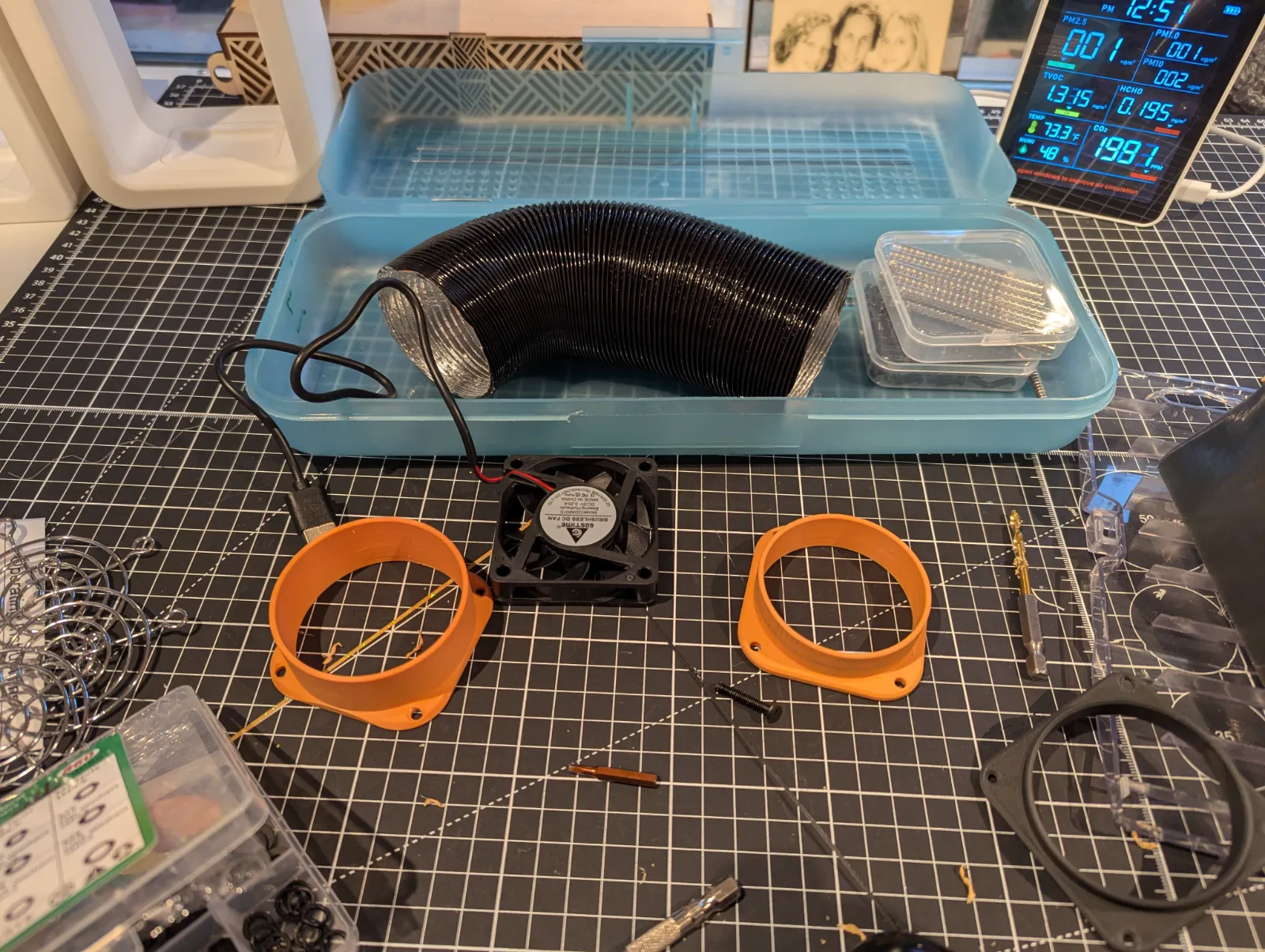
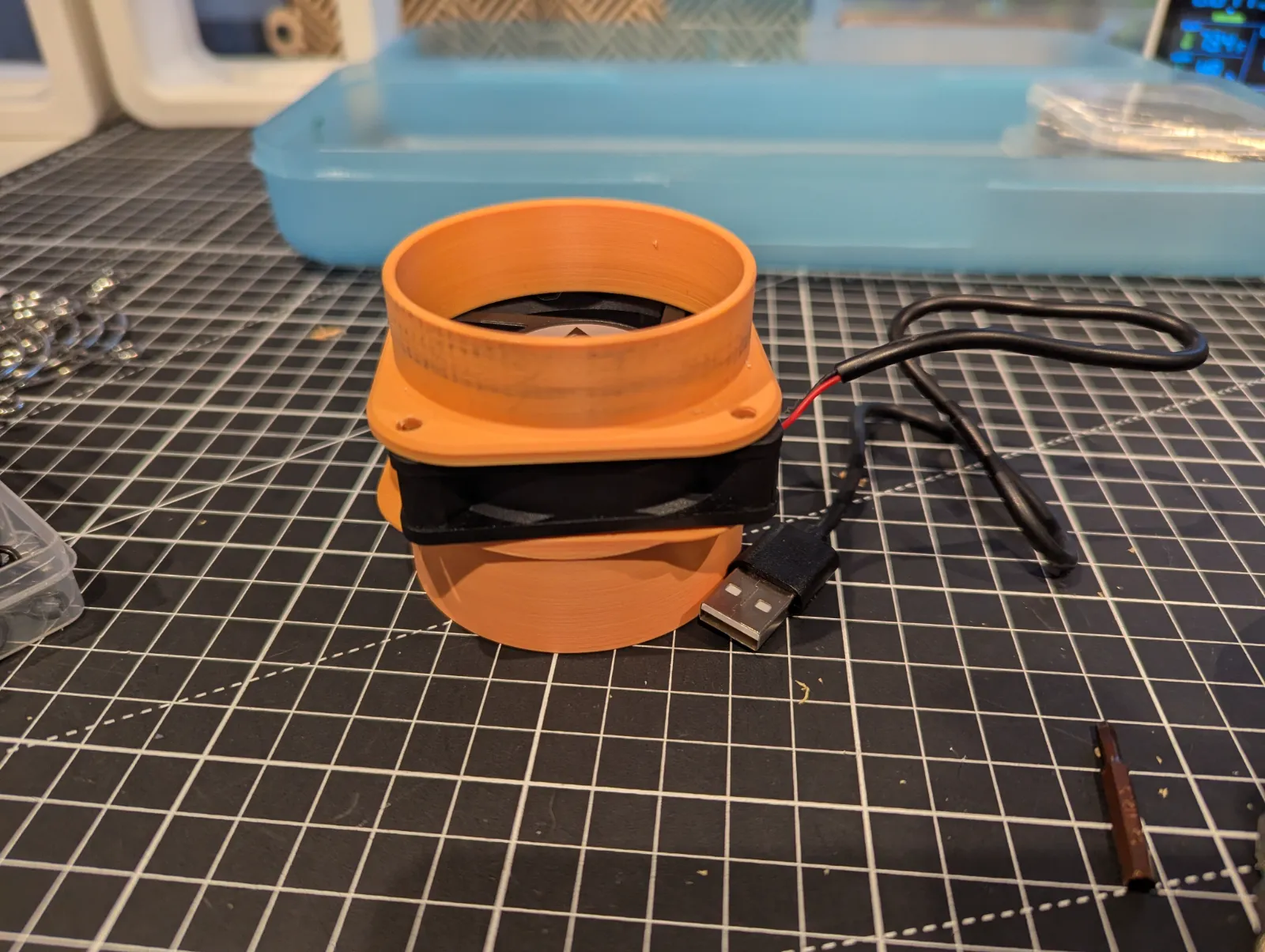
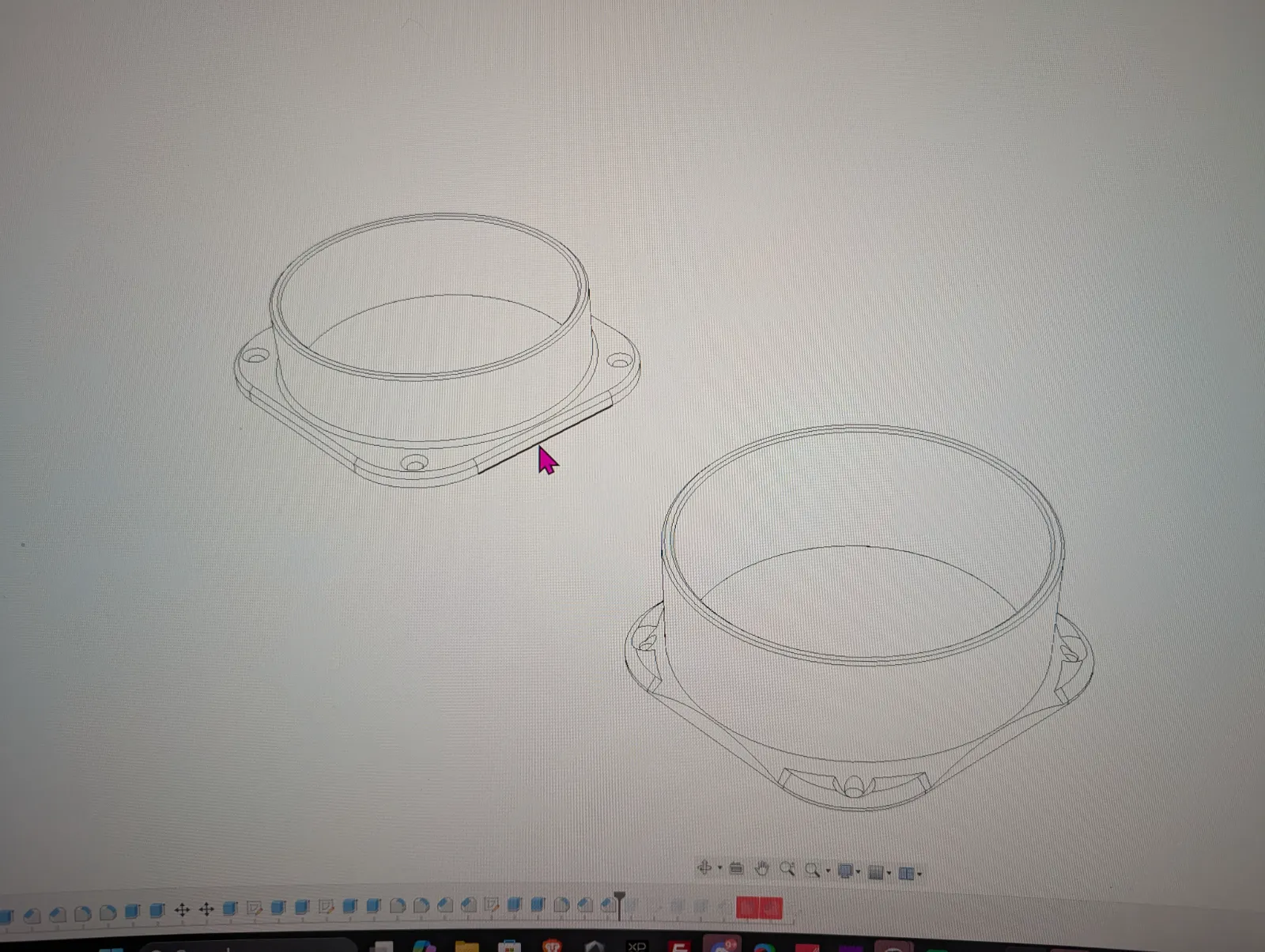
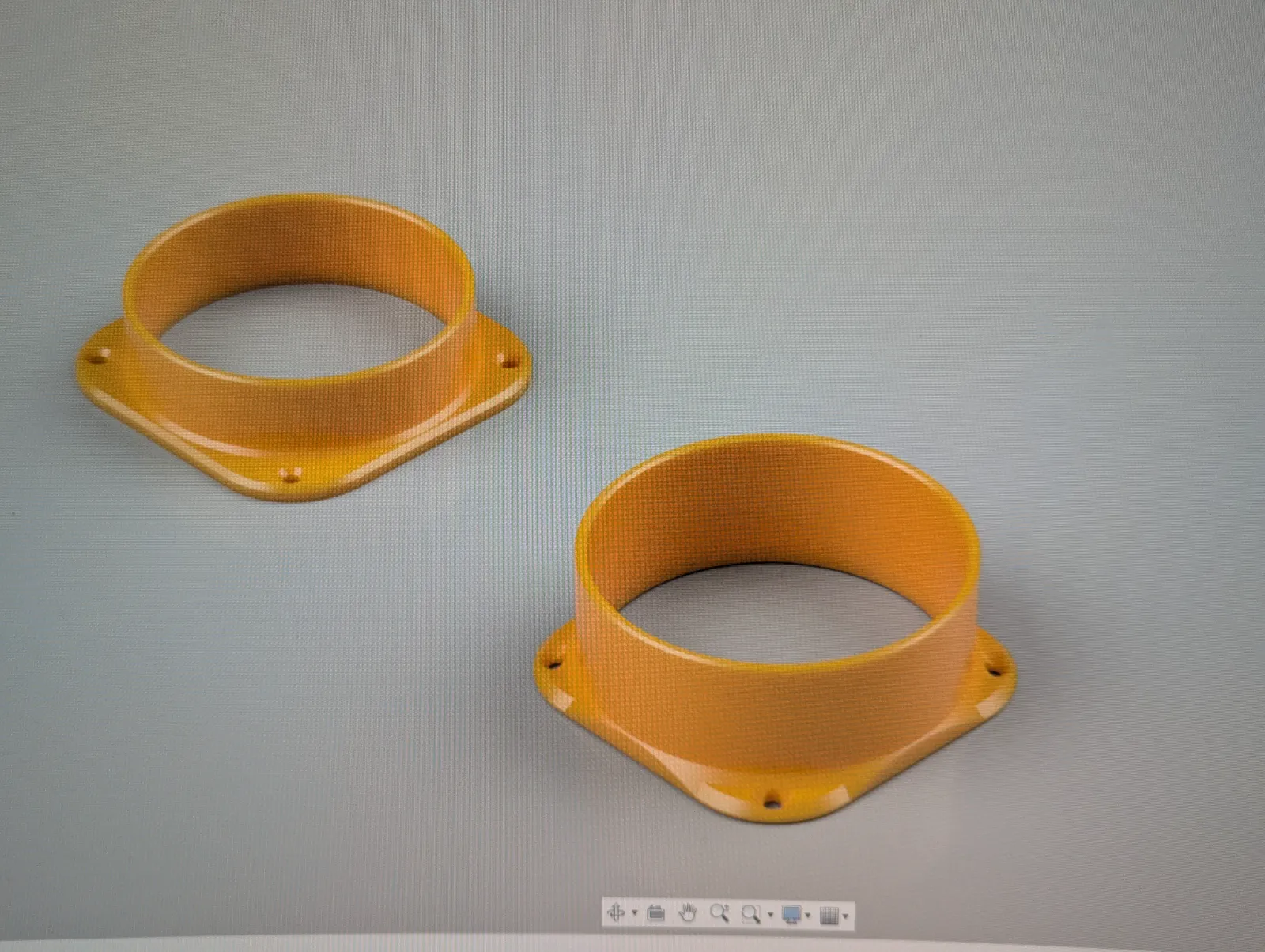
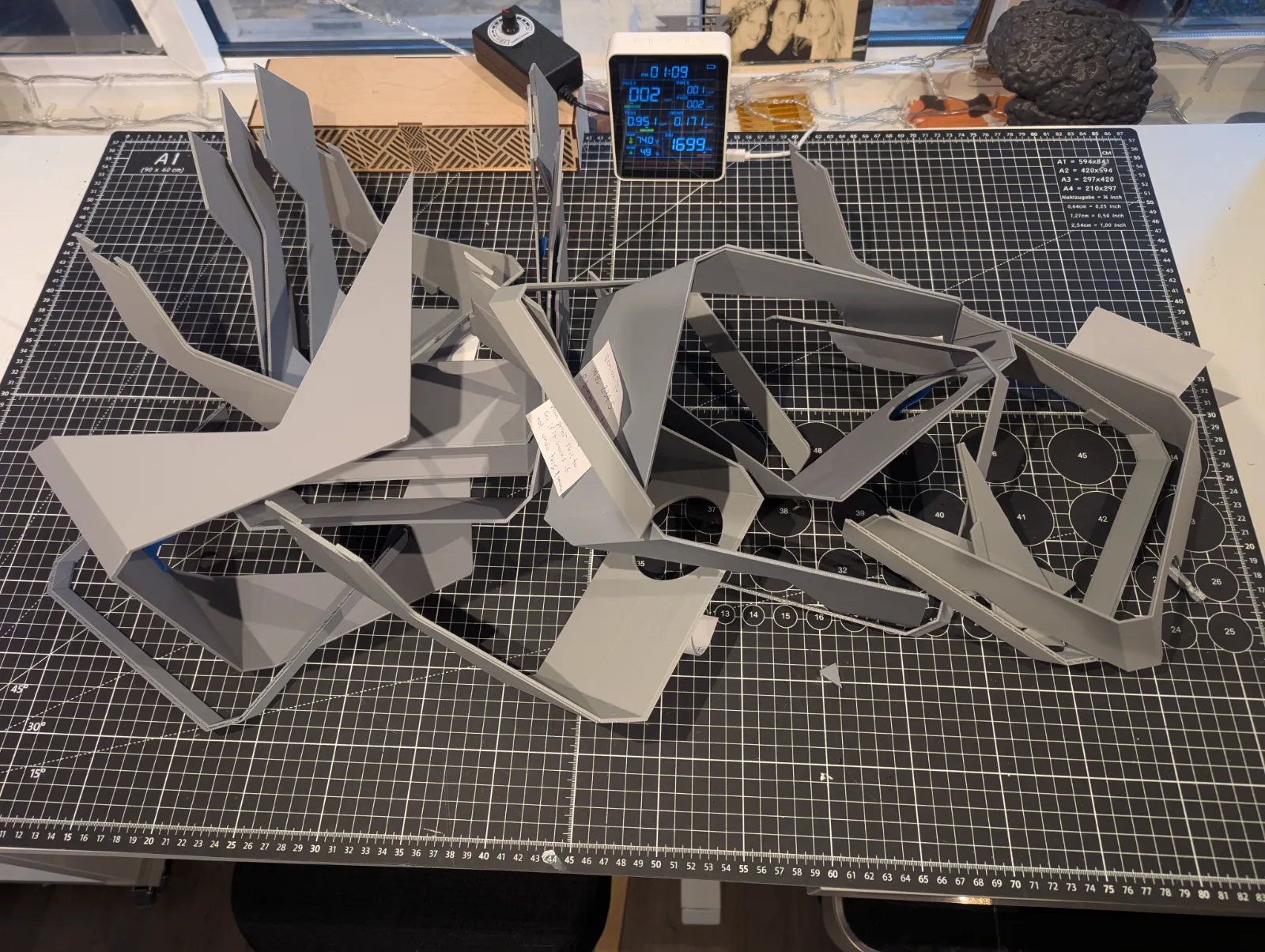
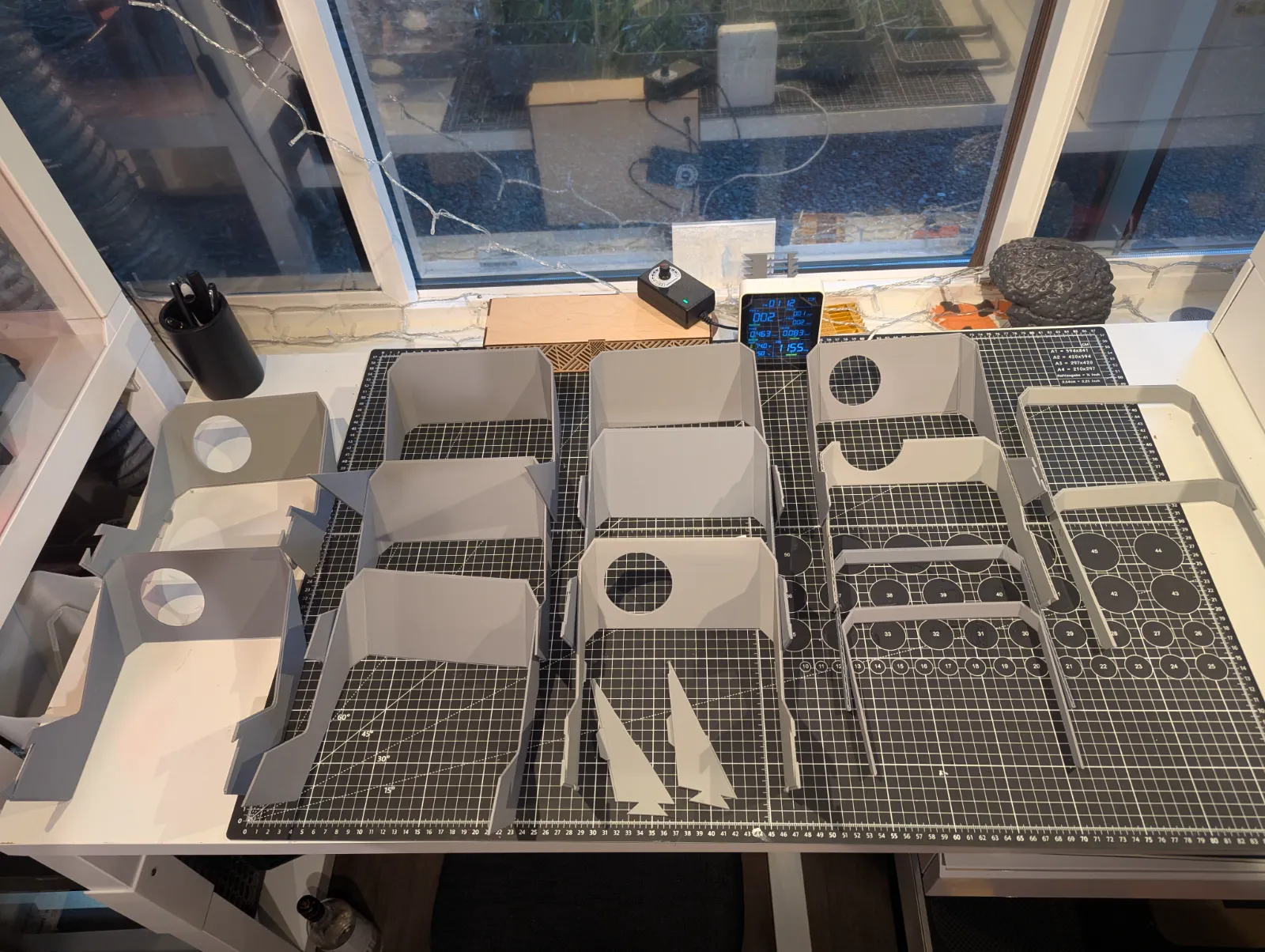
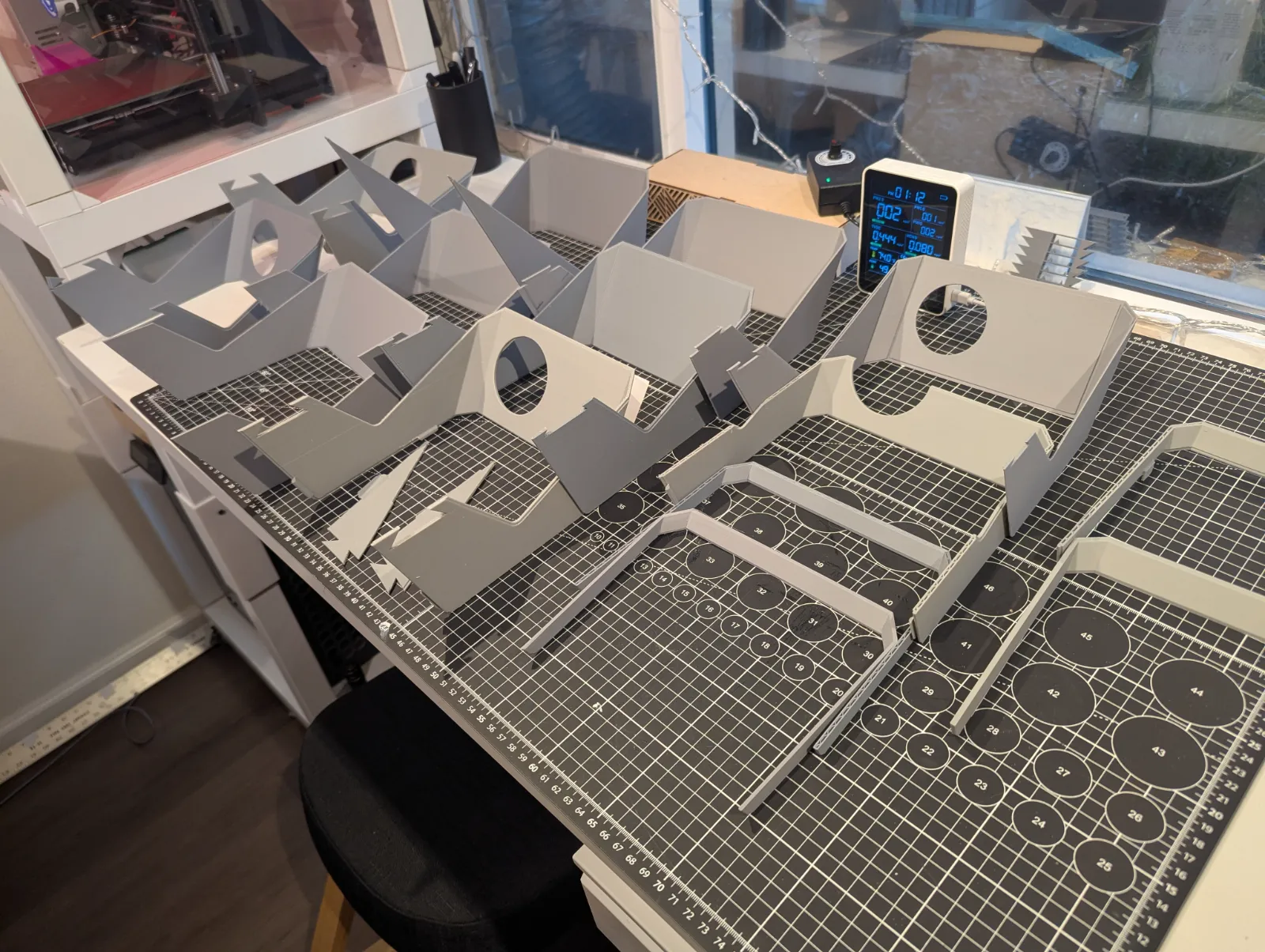
The final assembly is three pieces that clip onto the dryer exhaust, with a flexible insulated duct running from there into the AMS. Getting the cleat geometry right took about 15 iterations. Sub-millimeter adjustments each time until the parts seated flush with no wobble and no play against the factory edges.
That’s the part I actually enjoyed most about this one. Injection molded consumer parts don’t have published tolerances, you’re reverse engineering them by hand and the fit either works or it doesn’t. There’s no partial credit.
Reference Images