Exploring the Intricacies of the Human Brain: A DIY 3D Printing Adventure
Uncovering the Untouchable
This project began with a simple yet captivating idea: to touch the untouchable. The notion of interacting with one’s own brain, the very essence of our consciousness, was both alluring and humbling. Armed with an old MRI scan and a spirit of curiosity, I embarked on a journey to bring this elusive organ into the tangible realm.
Translating Medical Imaging Data into 3D Models
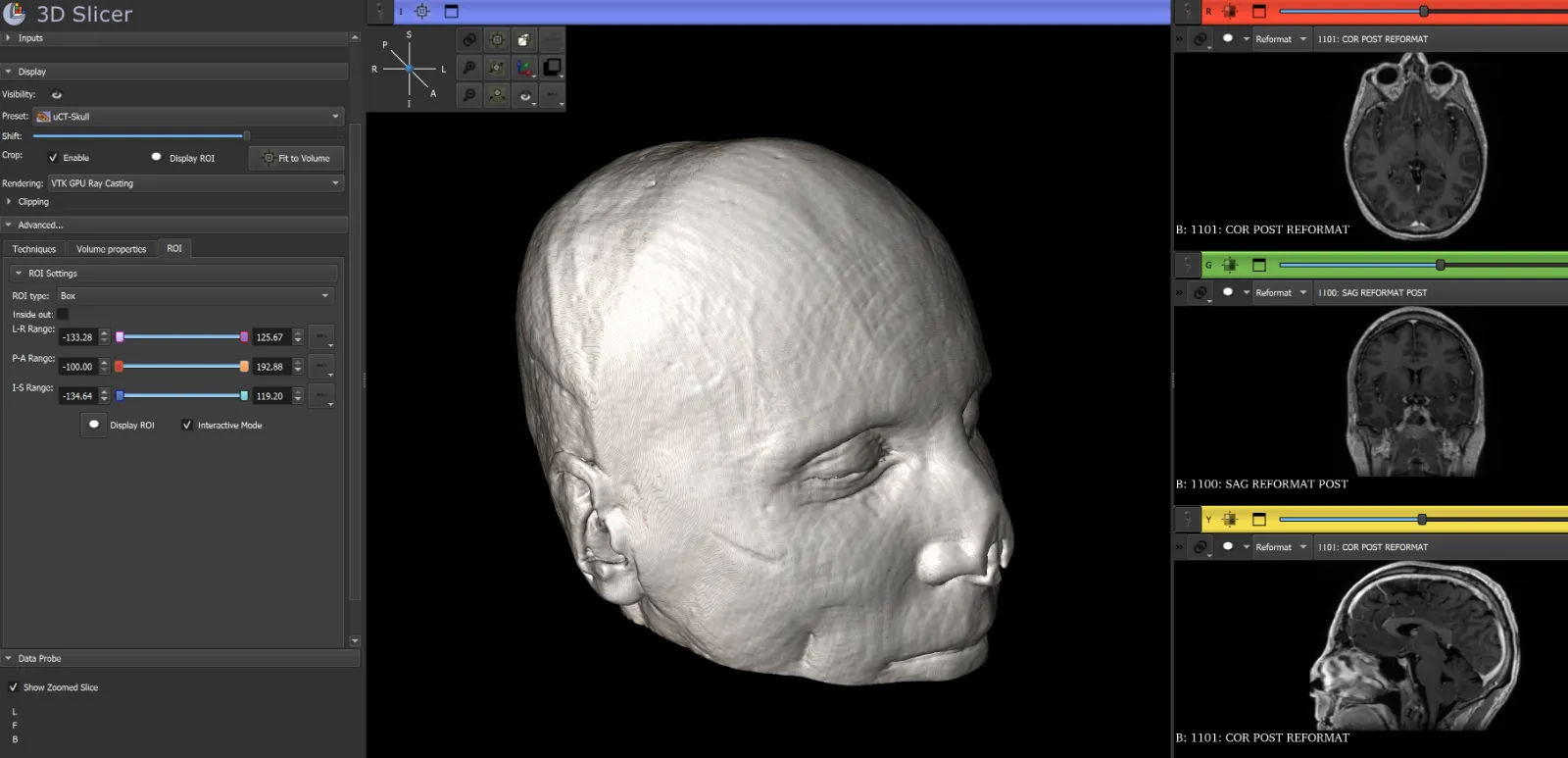
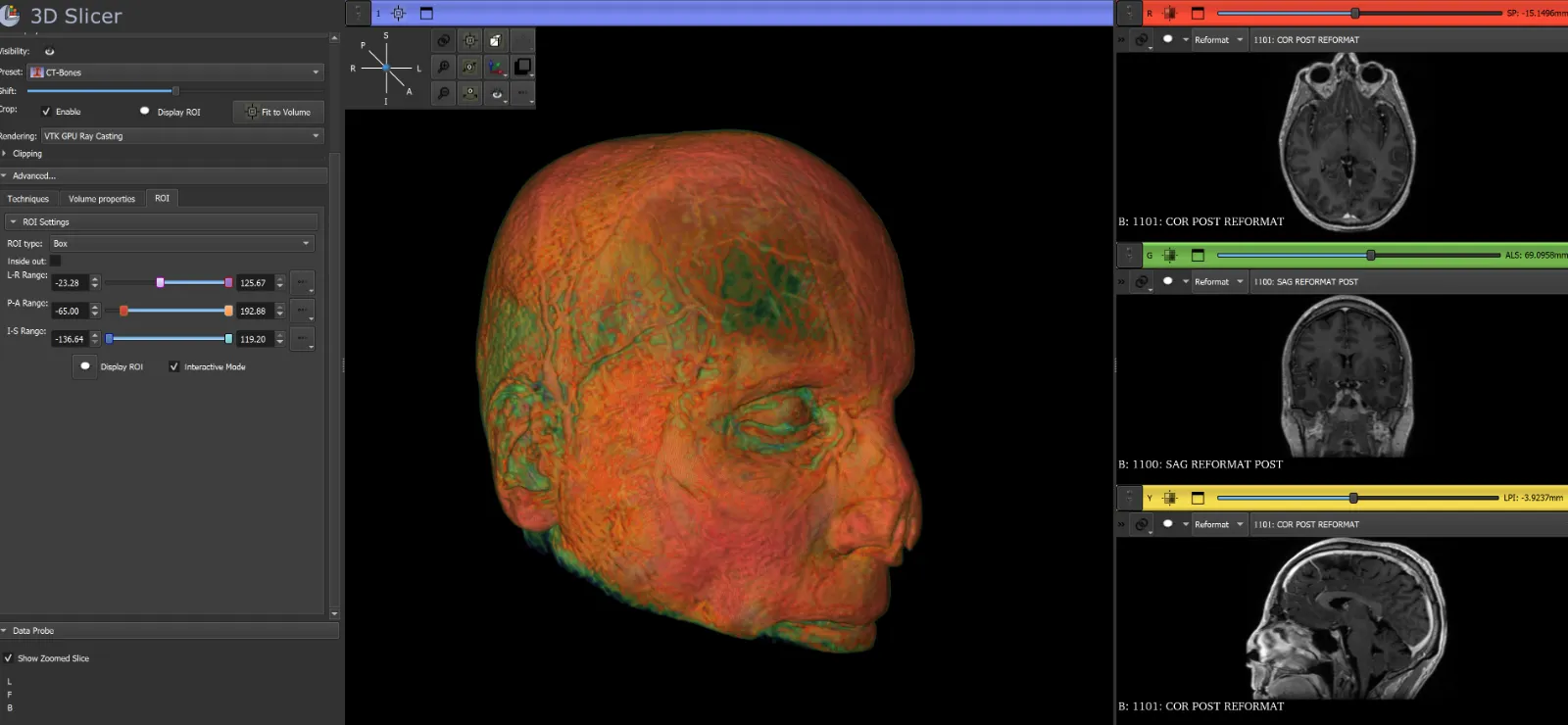
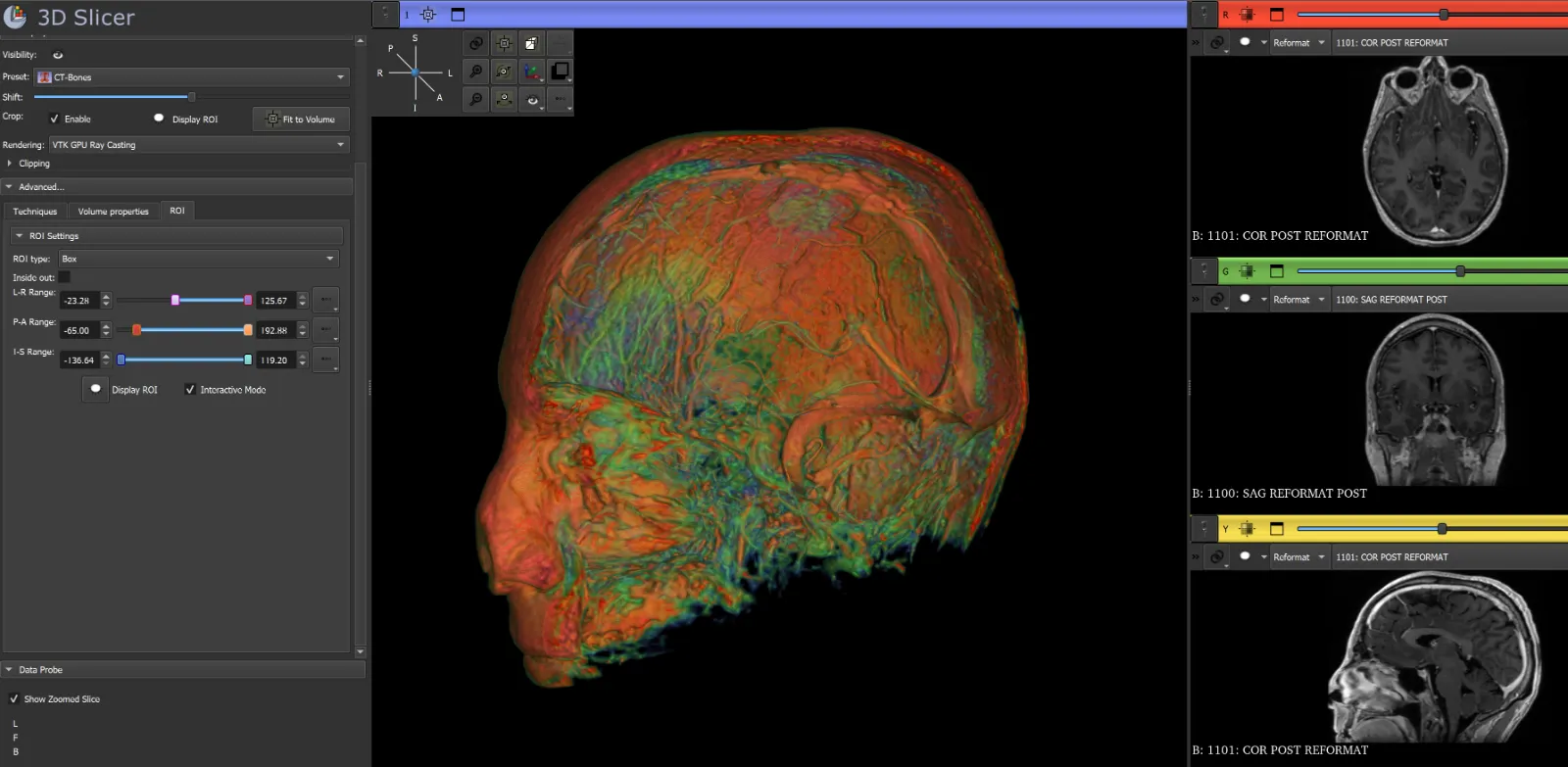
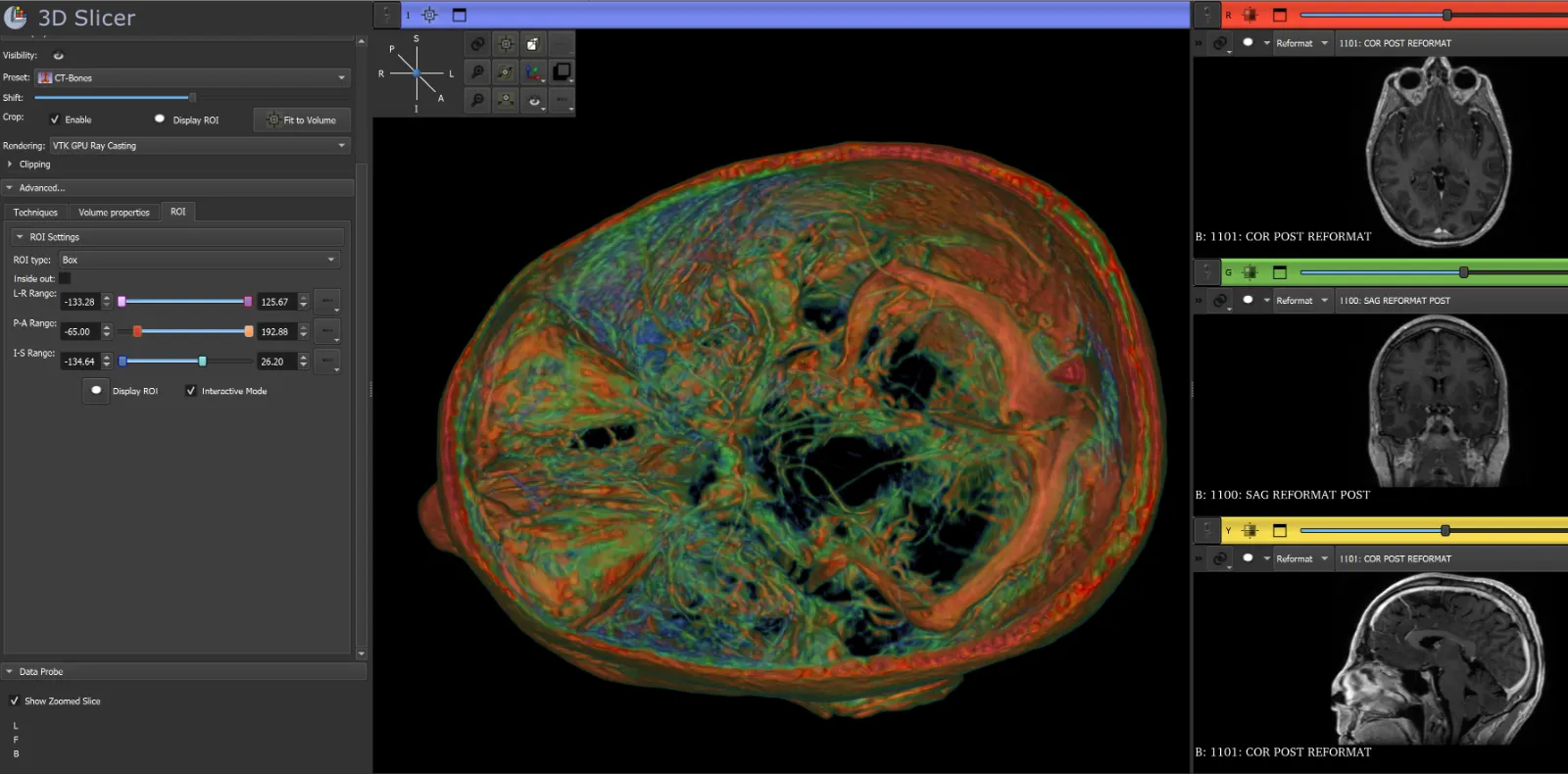
Medical imaging data, such as MRI and CT scans, is essentially a cloud of data points that can be fed into CAD (Computer-Aided Design) programs. By leveraging a research tool called 3D Slicer, I learned to load this data, explore the different volumes, and delve into the intricate process of segmentation.
Segmentation, a powerful technique used by researchers, allows you to isolate and examine specific components of the brain, be it bone, arteries, or neural tissue. This step-by-step process enabled me to extract the necessary information and export it as an STL file, a format compatible with 3D printing.
Bringing the Brain to Life
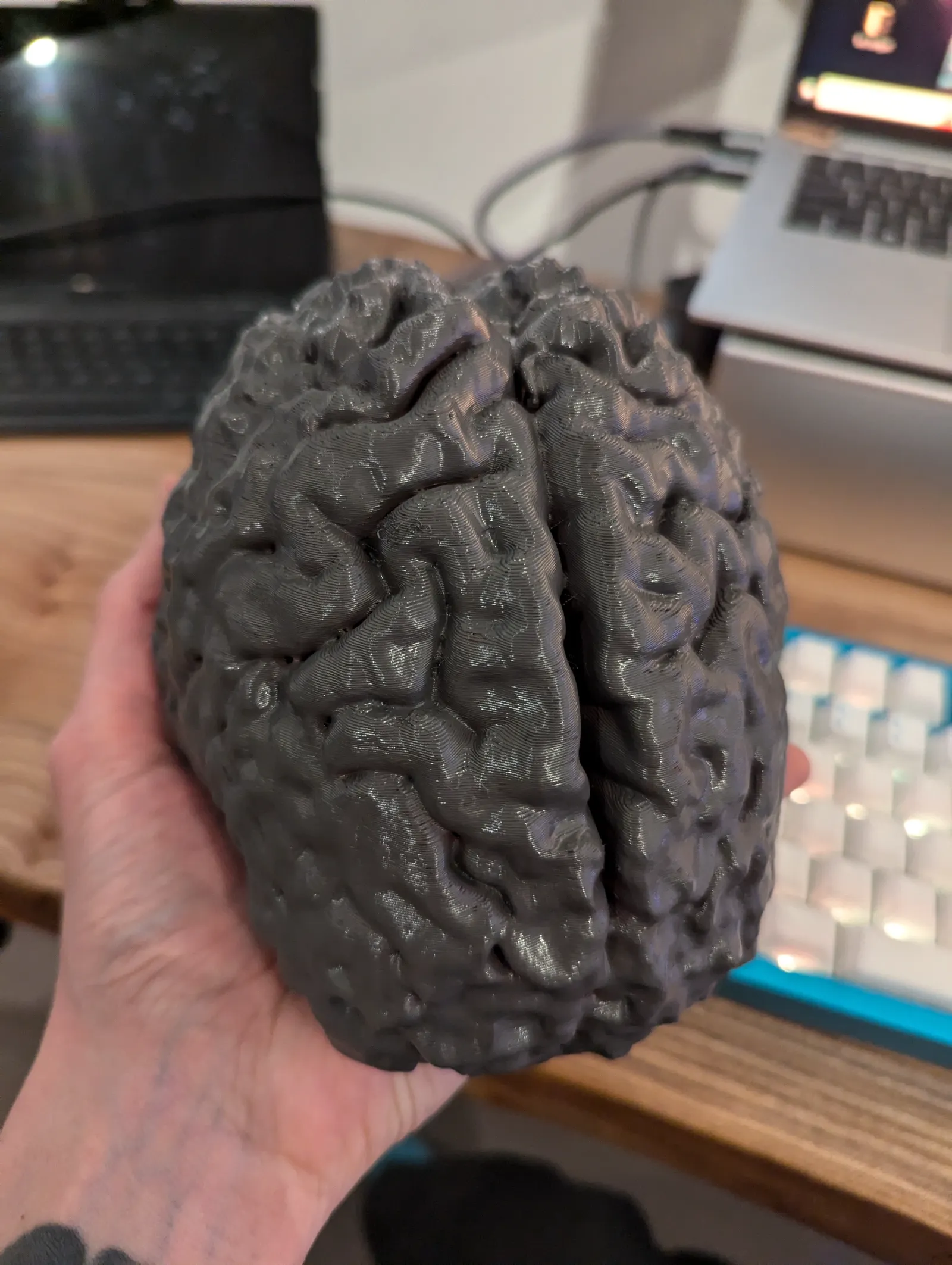
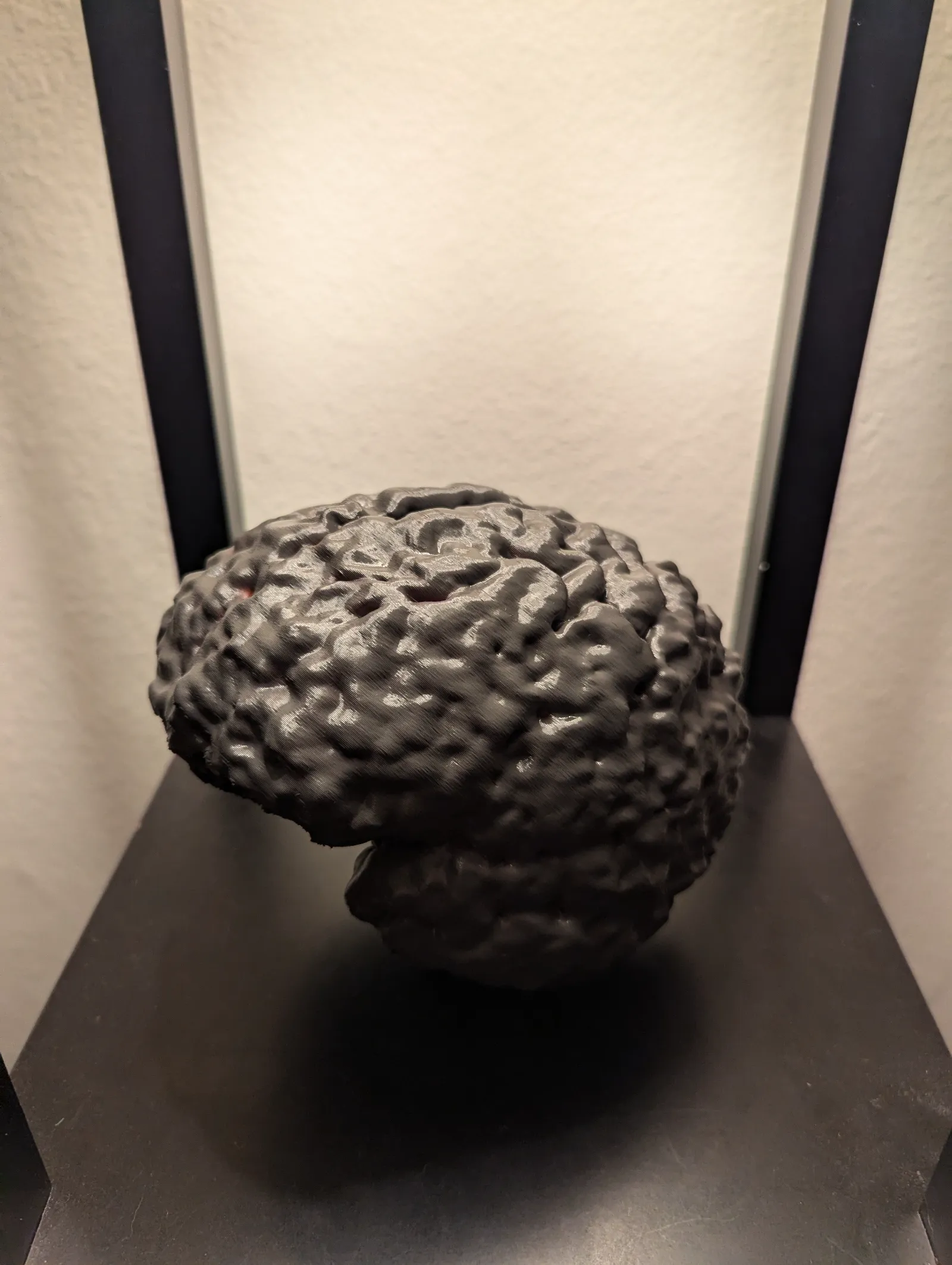
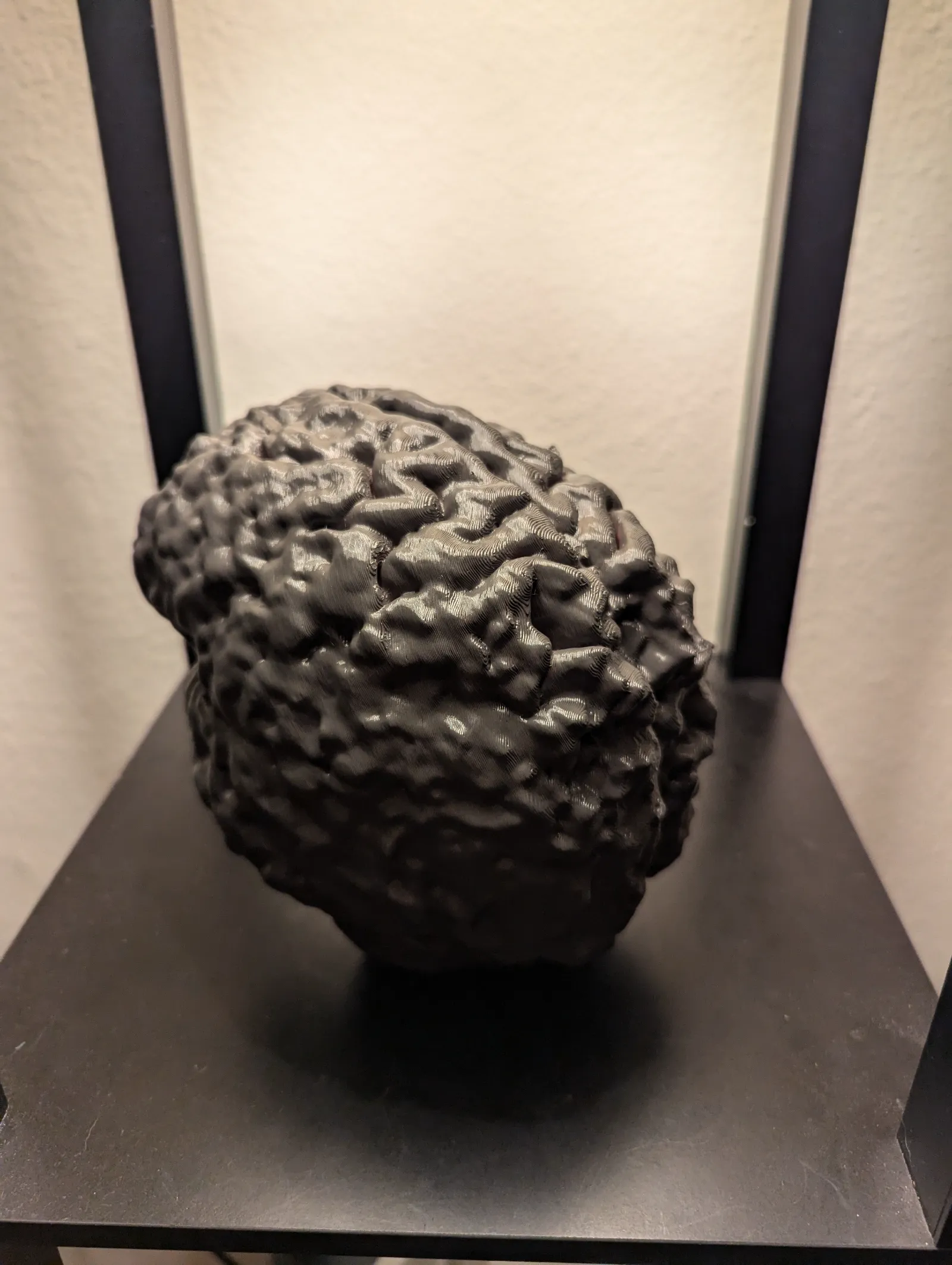
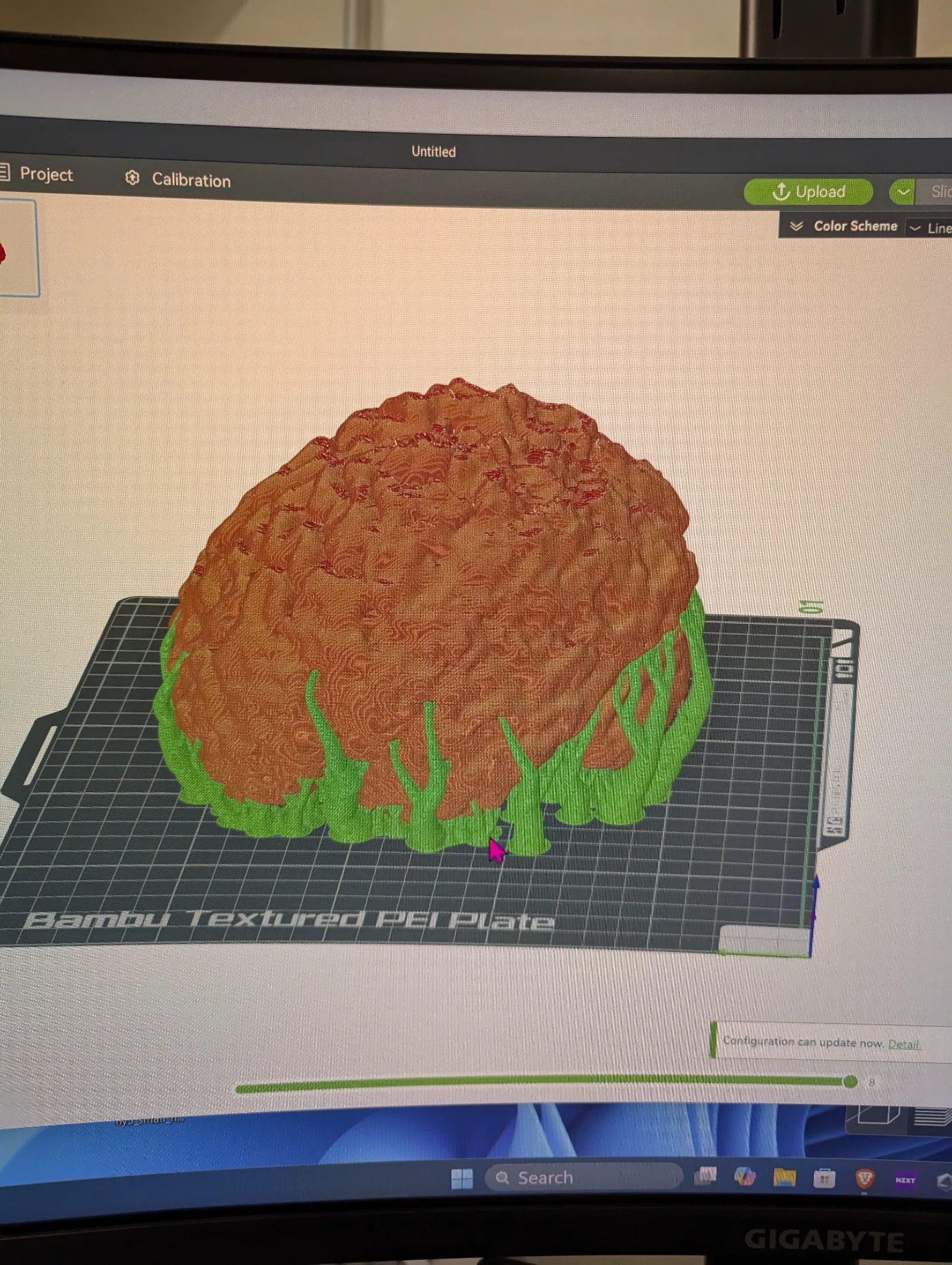
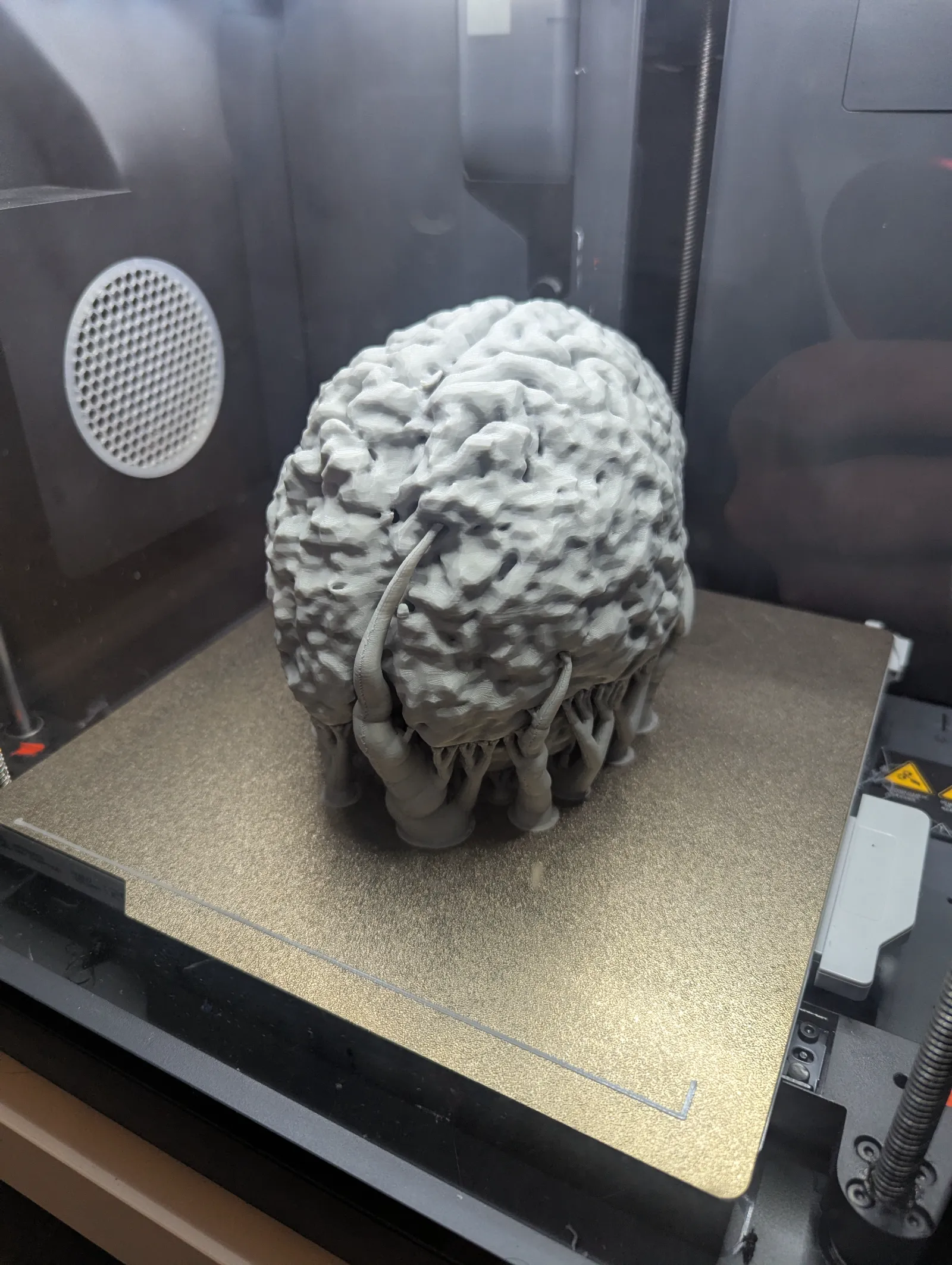
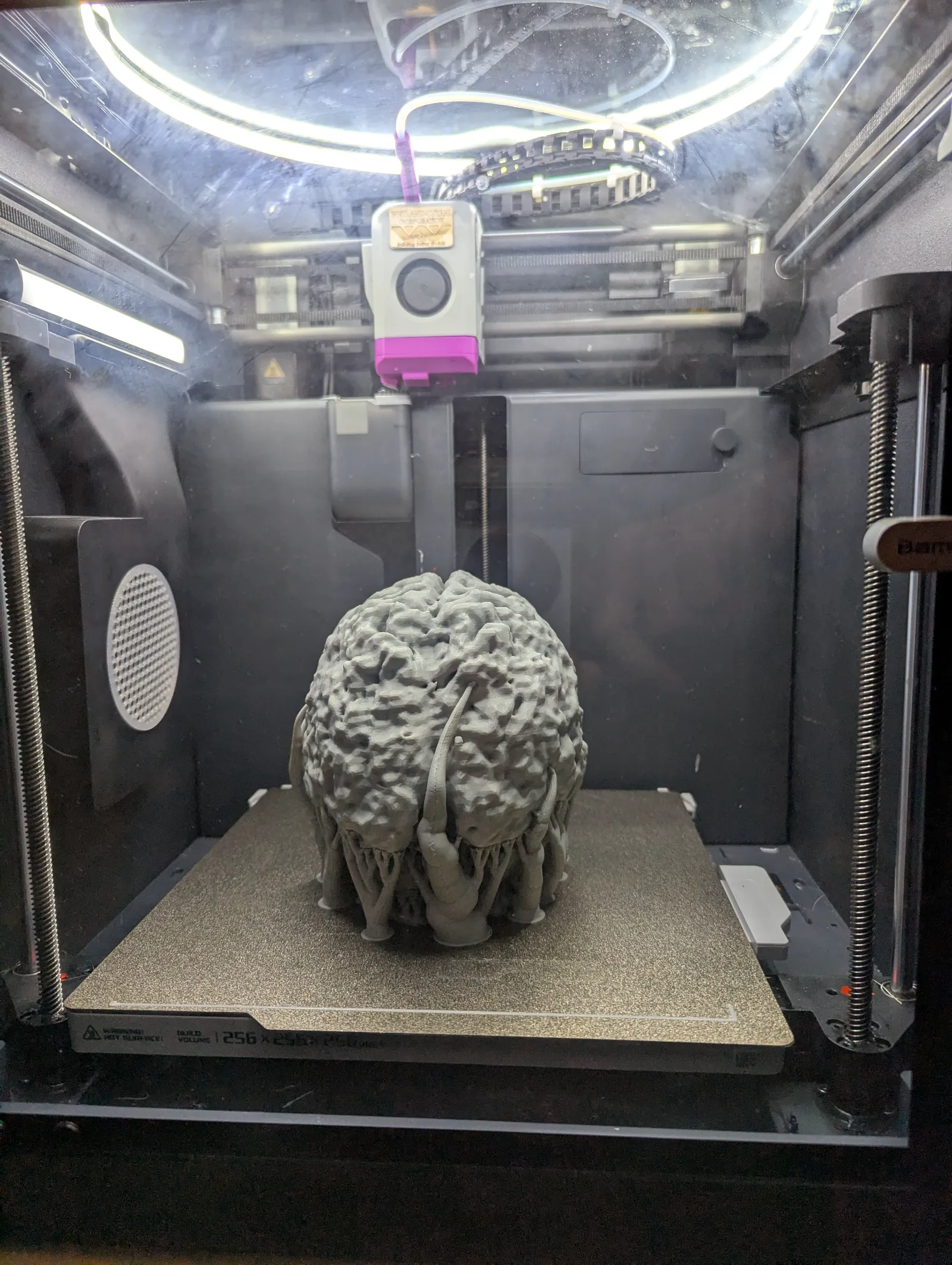
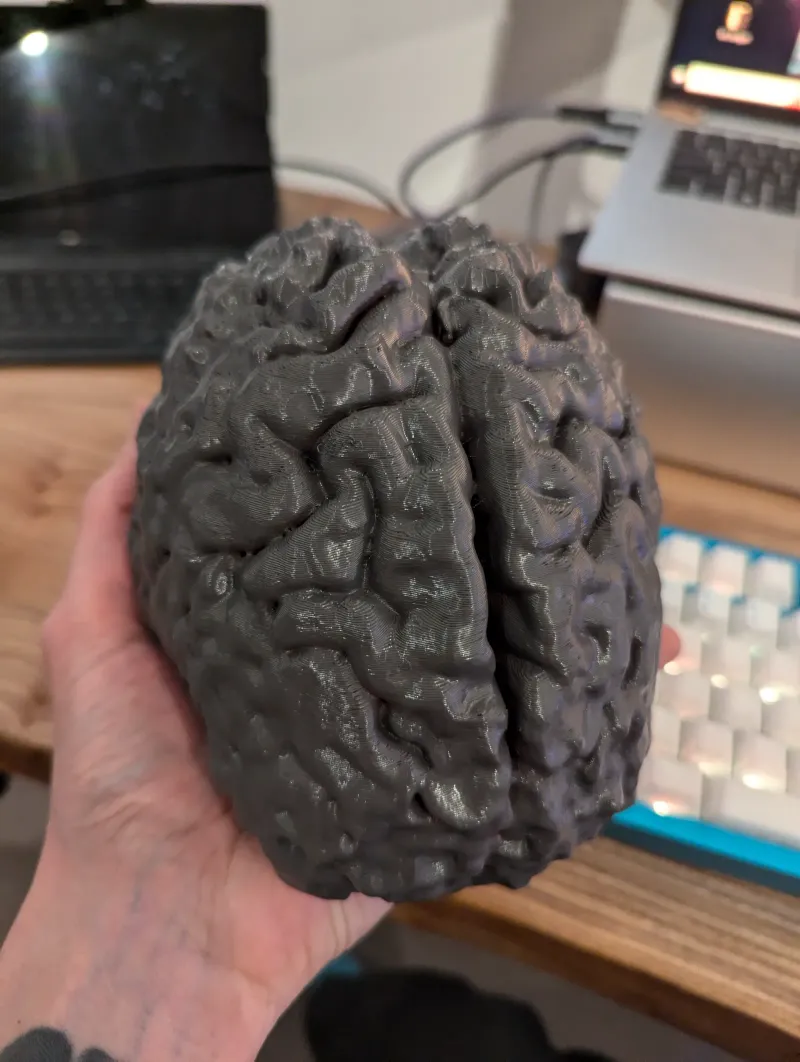
With the STL file in hand, I was able to import the data into my 3D printer and bring my brain to life. The experience of holding a physical representation of this incredible organ was nothing short of awe-inspiring. It humanized the scale and complexity of the brain, allowing me to truly grasp the sheer number of neurons and connections that make up the very essence of our being.
Bridging the Gap Between the Tangible and the Intangible
This project was driven by a deep fascination with the human body and a desire to understand the world around us. By translating the intangible into the tangible, I was able to bridge the gap between the abstract concept of the brain and the visceral experience of holding it in my hands.
The process of 3D printing my own brain not only satisfied my childlike curiosity but also provided a unique opportunity to confront the realities of our mortality and the incredible complexity of the human mind. It is a testament to the power of scientific exploration and the boundless potential of technology to enhance our understanding of the world we inhabit.
Reference Images