Reviving the Remote Workspace: Blending Tradition and Technology
As the lines between work and home life continue to blur in the era of remote work, the physical environment we inhabit has taken on an outsized importance. It’s the small, tactile touchpoints of our workspace that can profoundly influence our mood, focus, and productivity.
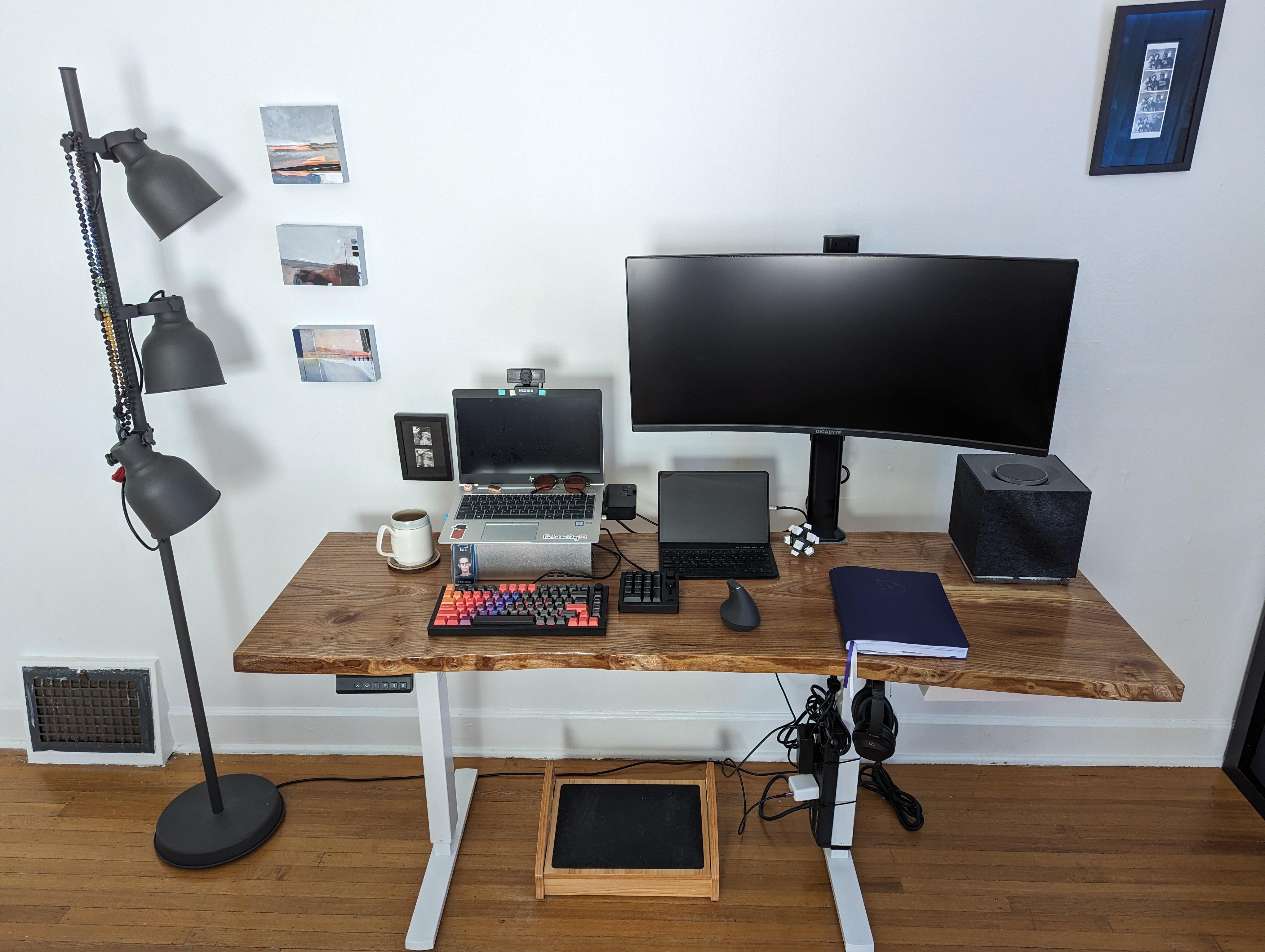
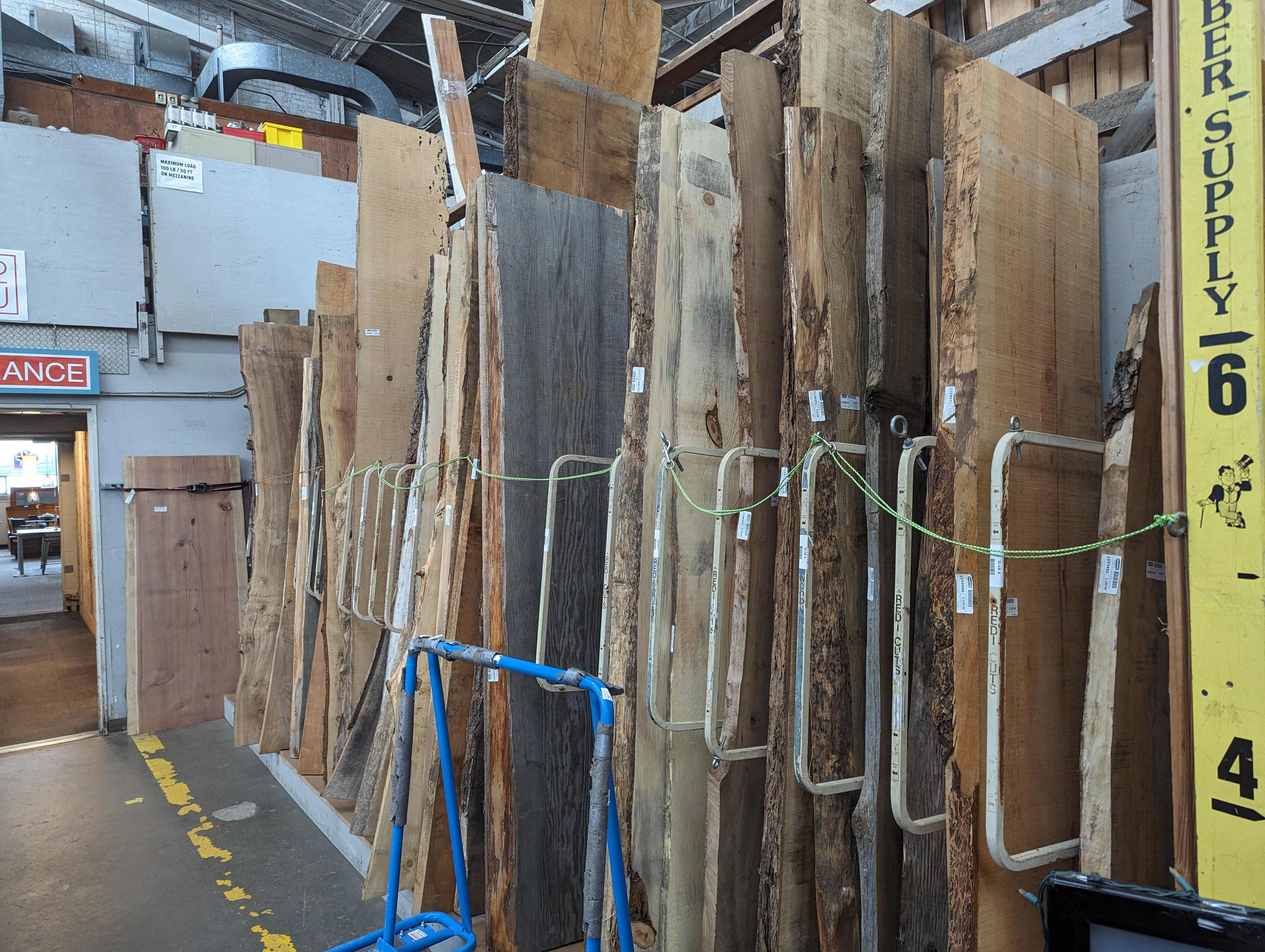
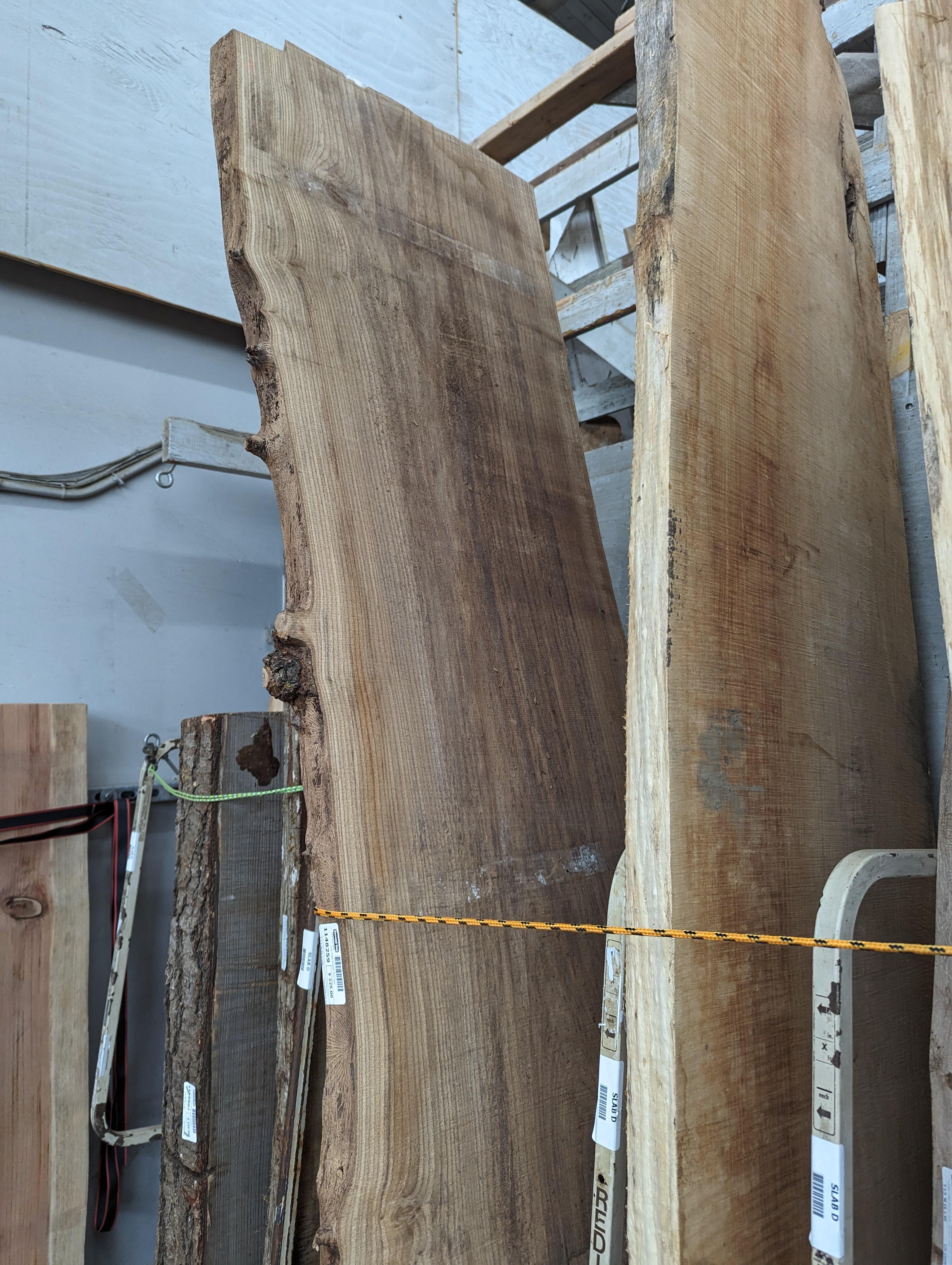
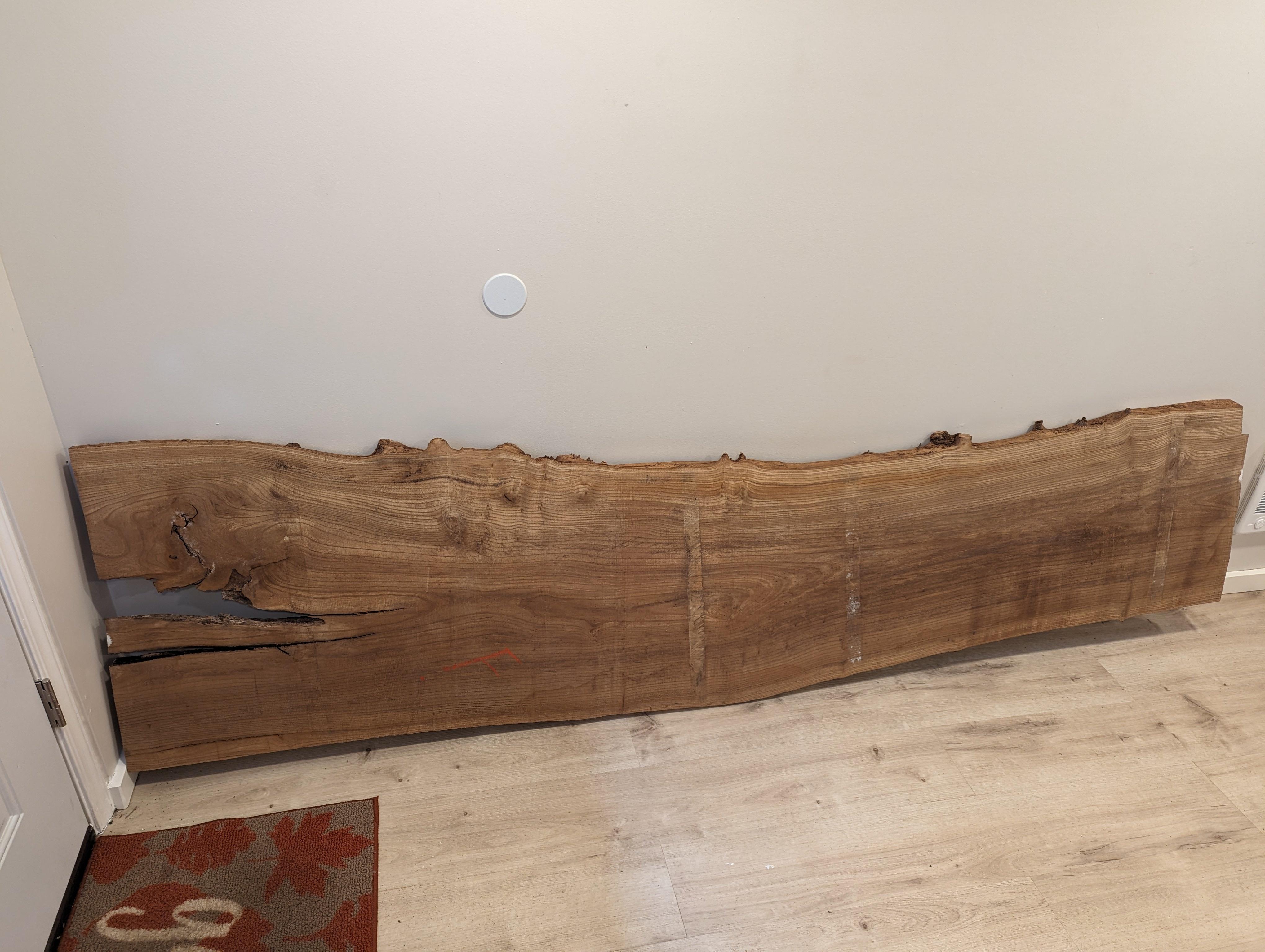
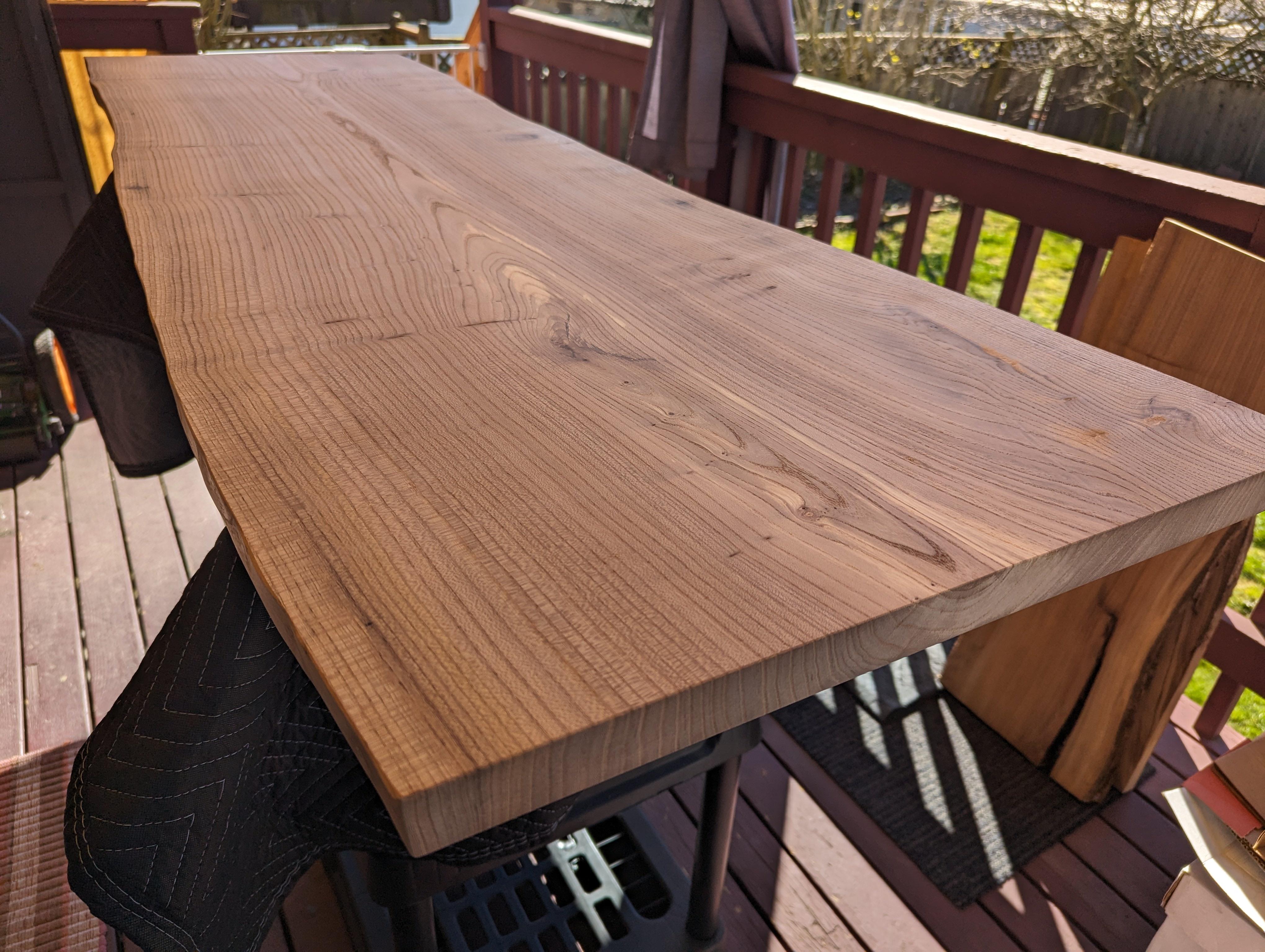
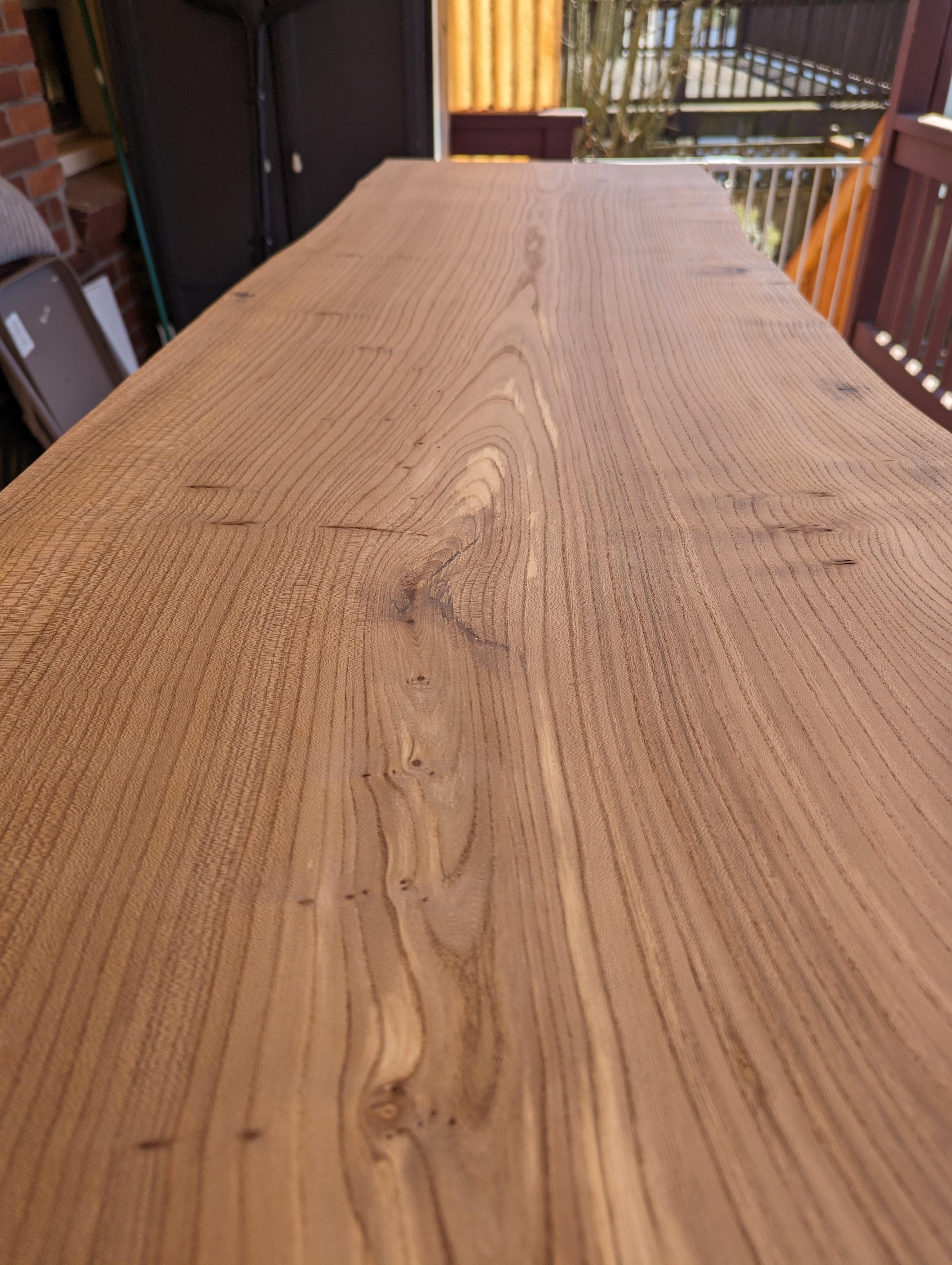
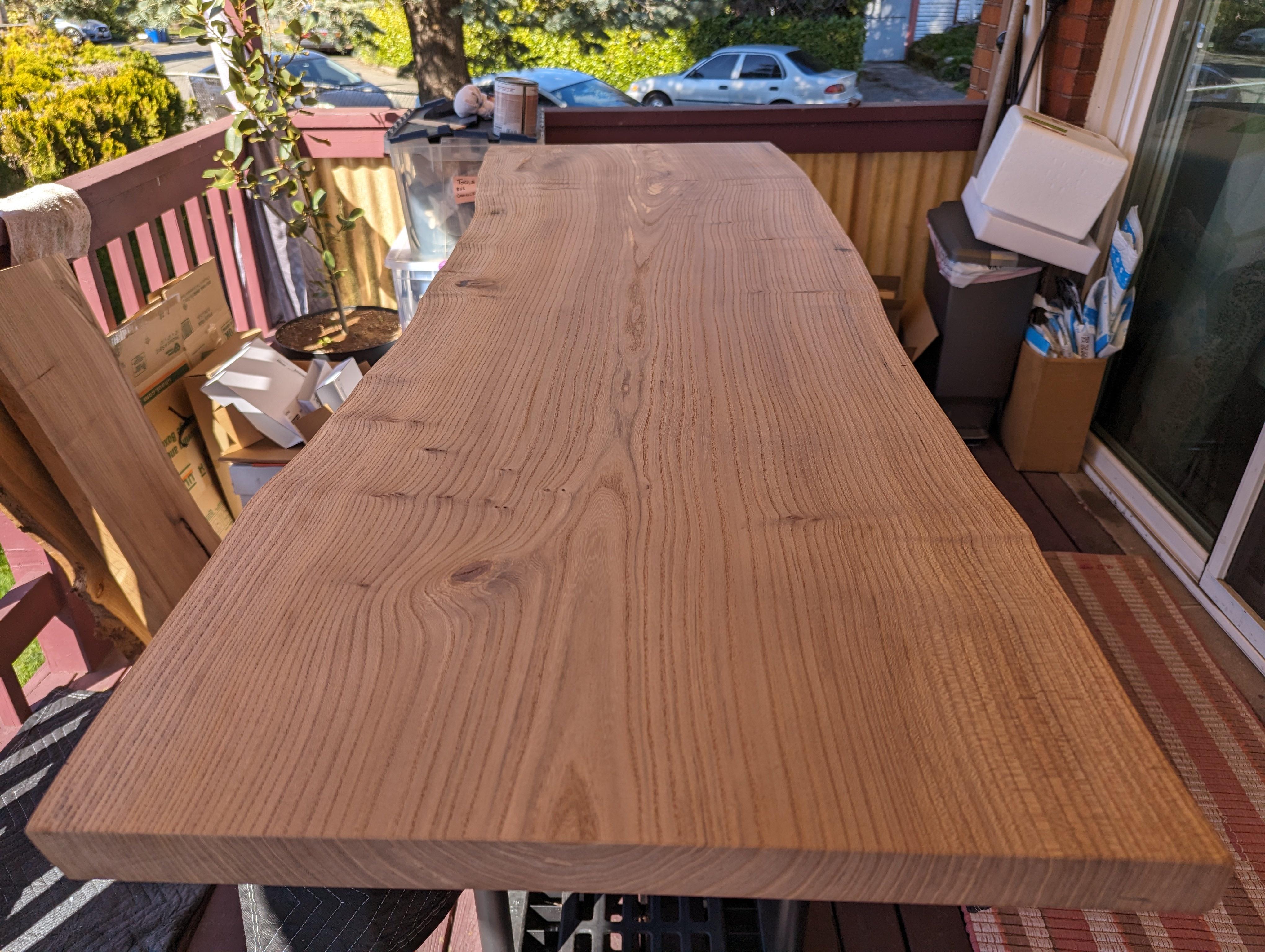
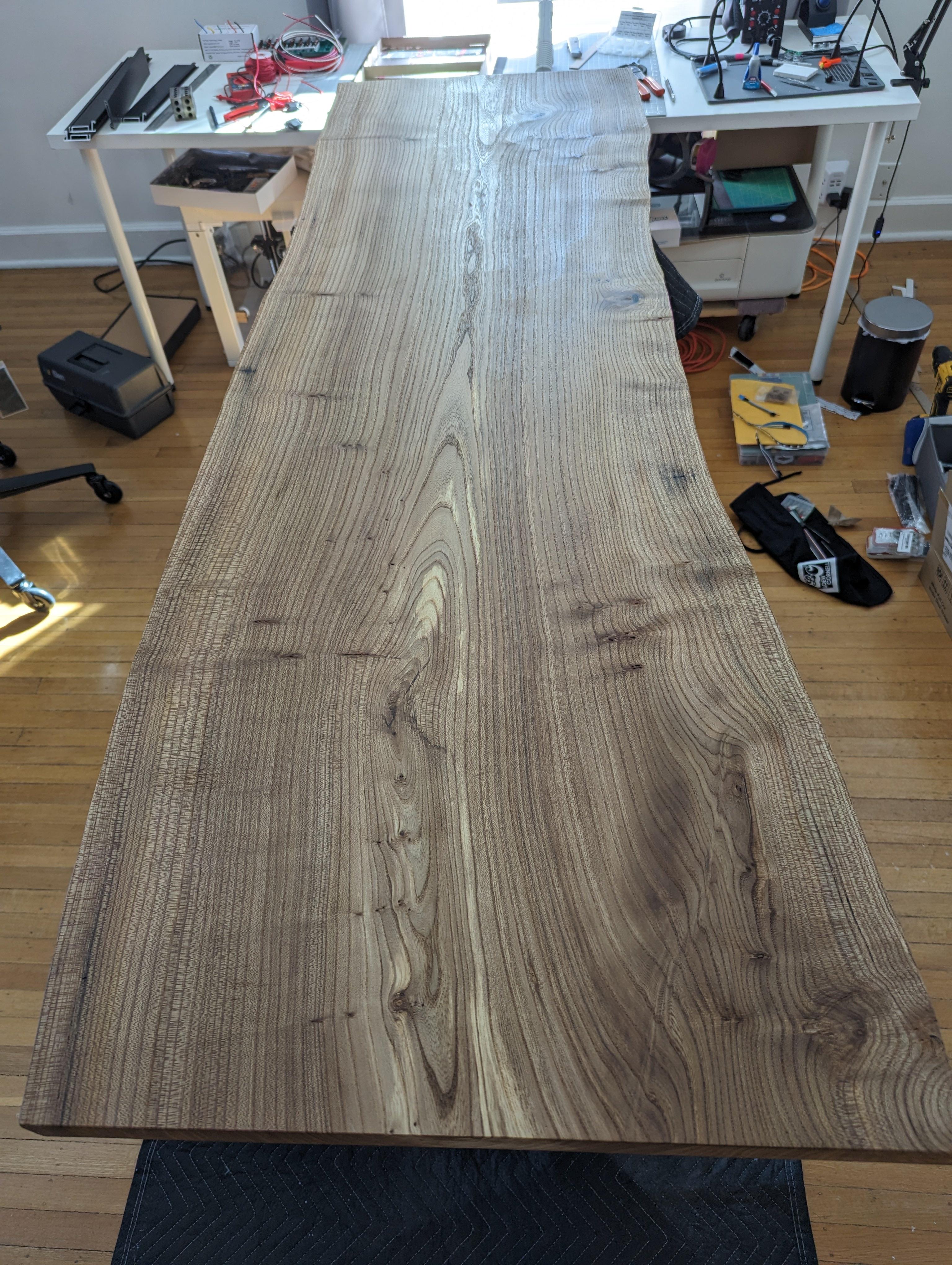
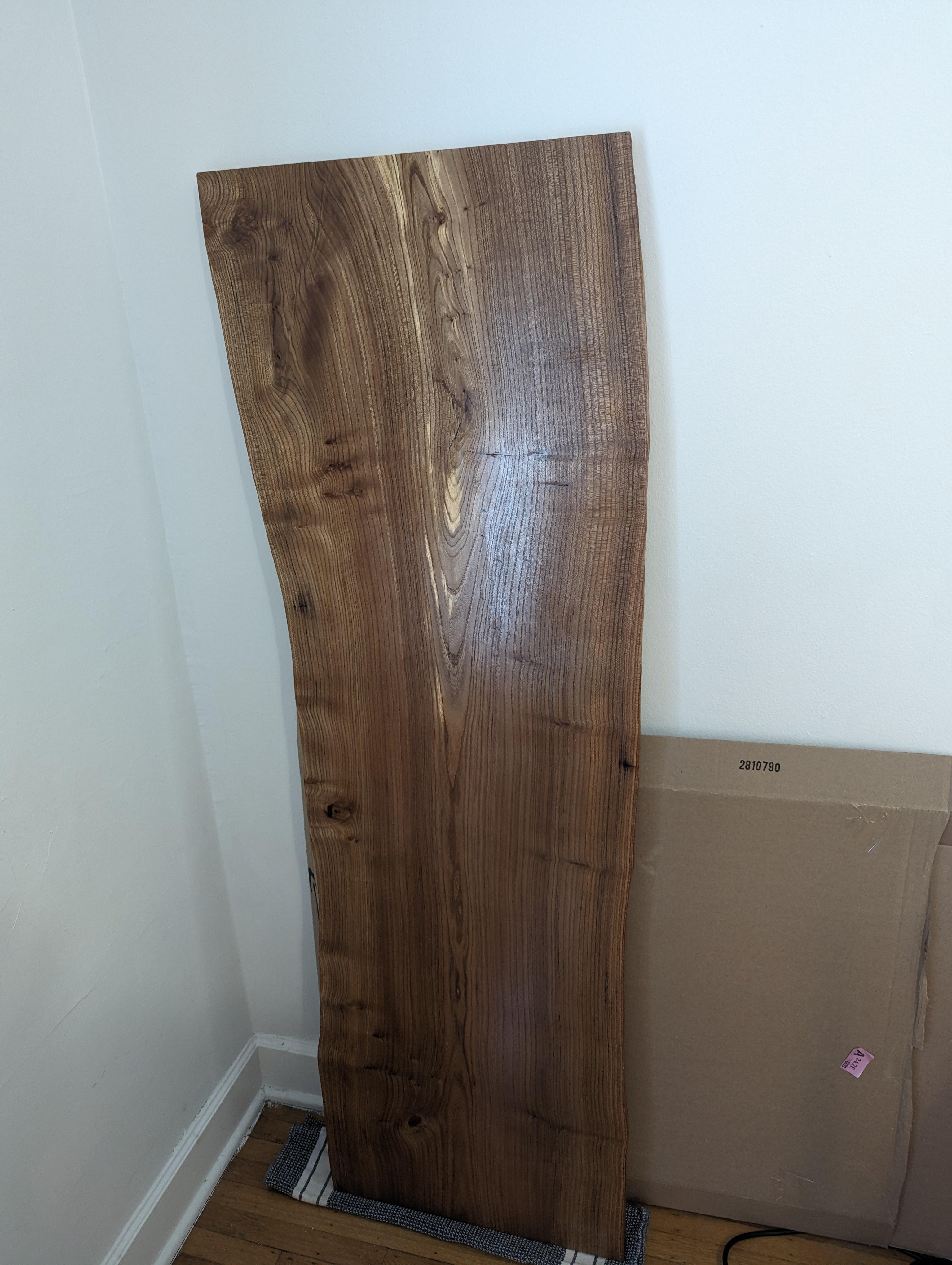
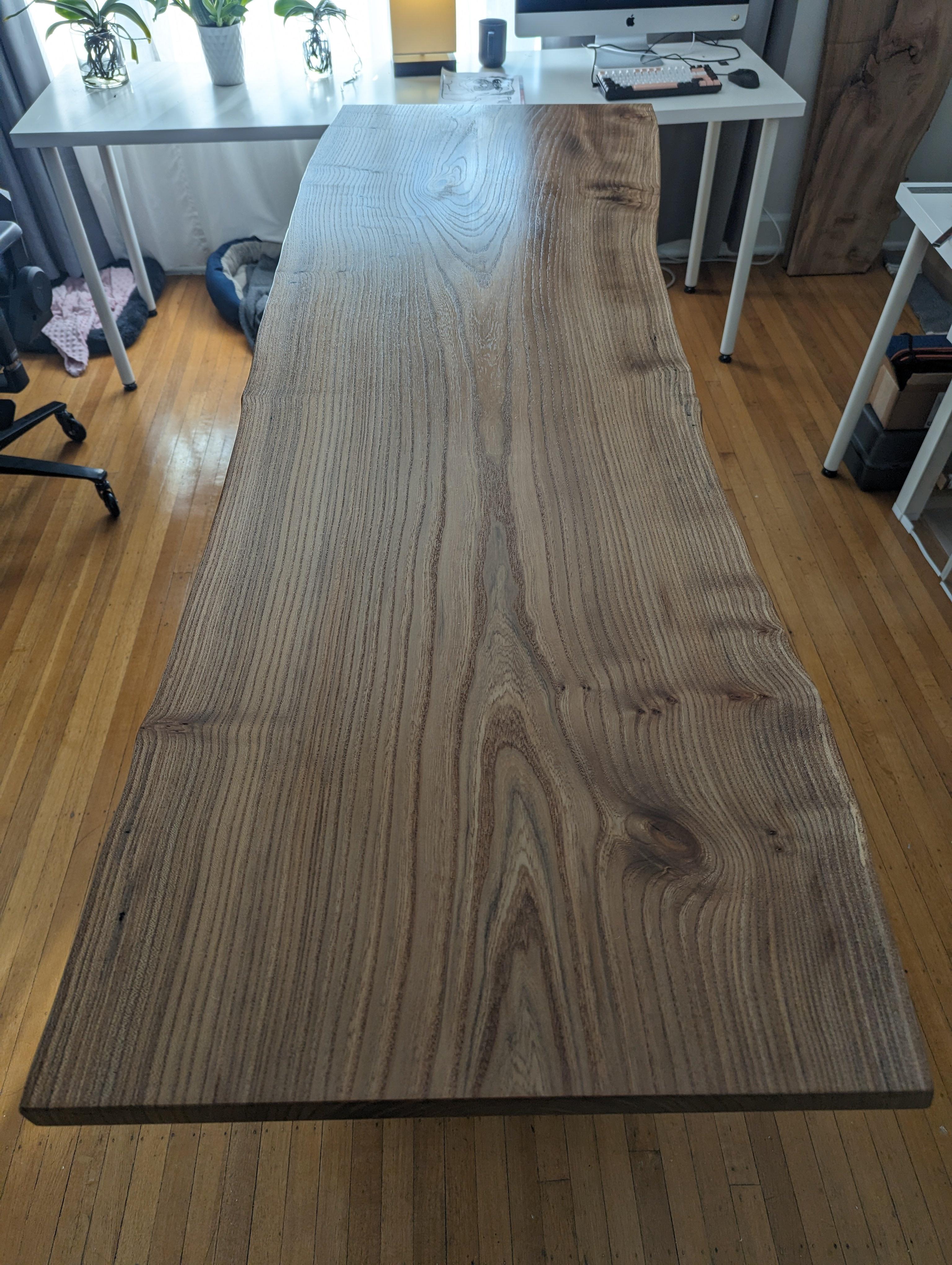
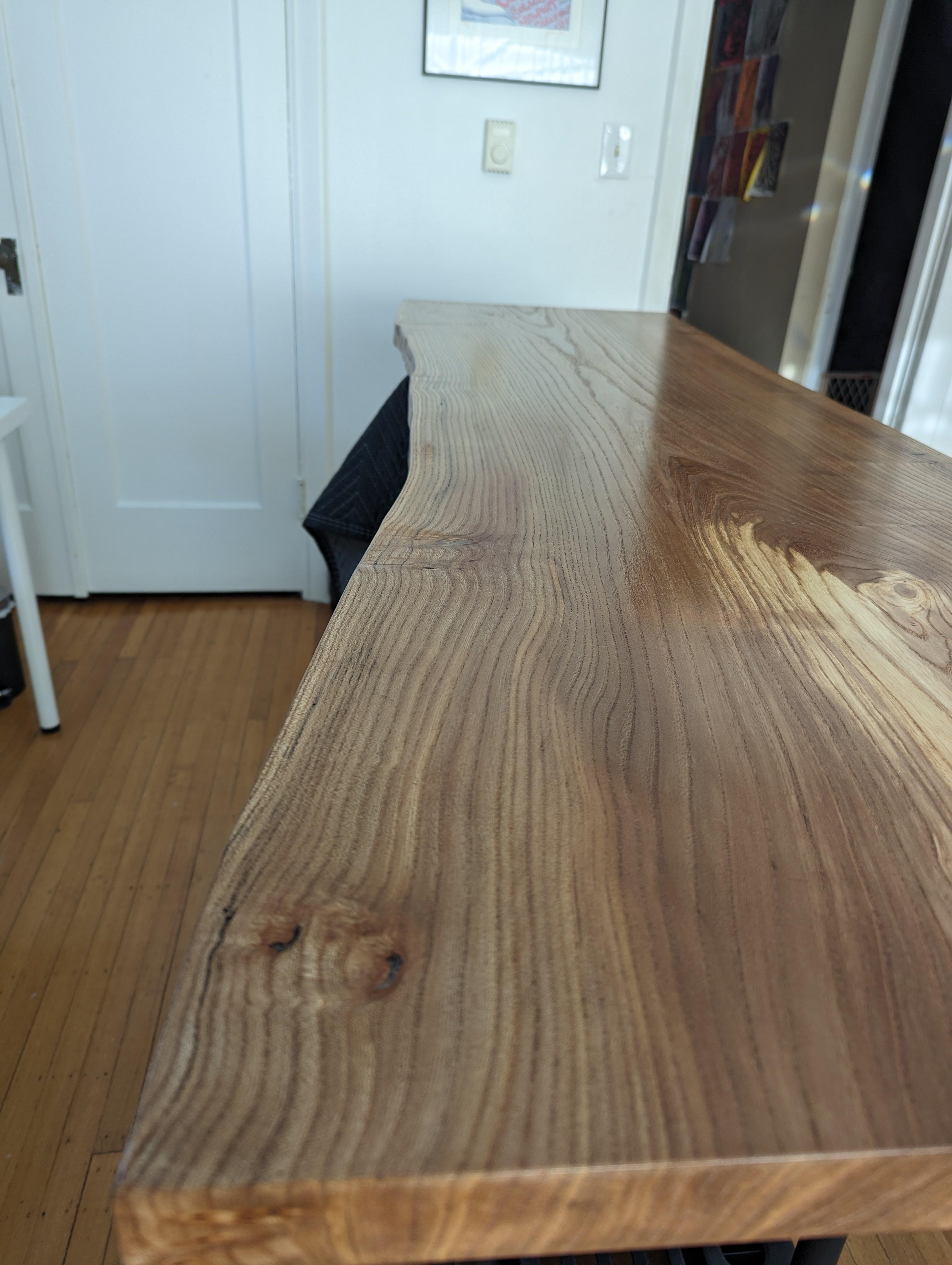
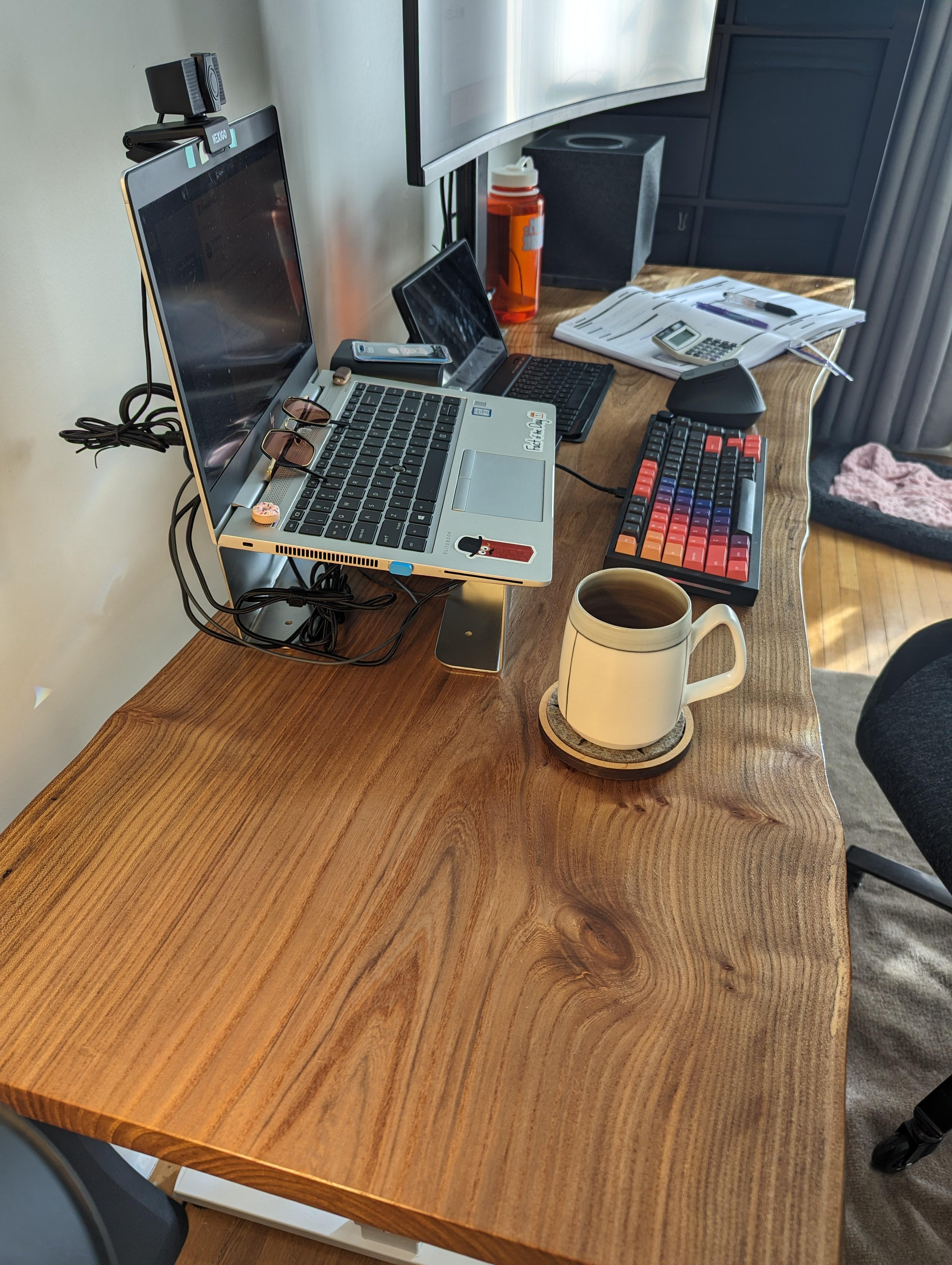
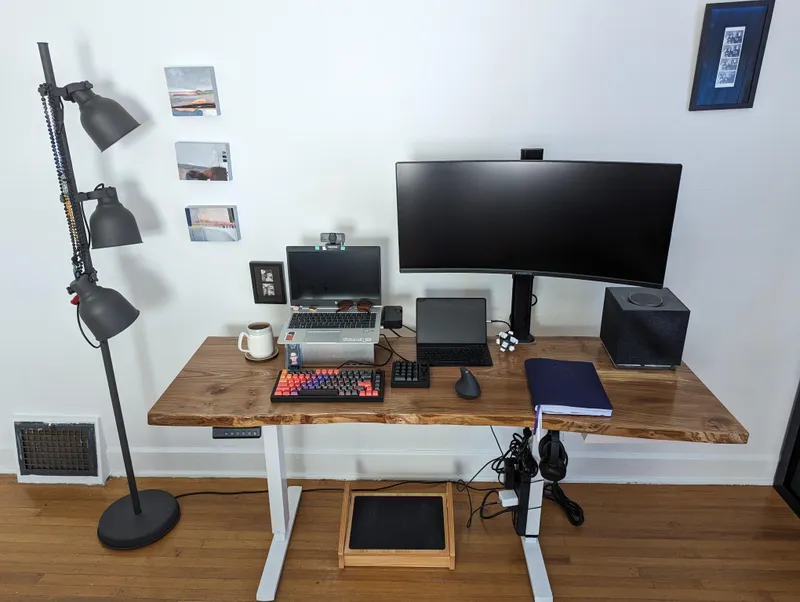
Recognizing this, I recently embarked on a project to craft a custom workstation that would seamlessly blend traditional craftsmanship with modern tools and techniques. The inspiration struck while browsing an architectural salvage lot, where a trove of live-edge wood slabs caught my eye. Among them was a magnificent 9-foot panel of 225-year-old English elm, a piece that immediately sparked my creative curiosity.
Combining this raw, historic material with my modern tools felt like the perfect metaphor for the evolving role of the desk in the tech and idea economy. Crafting this custom workstation has been a true joy, a meditative process of shaping the wood with my own hands and sculpting it into a functional yet beautiful surface.
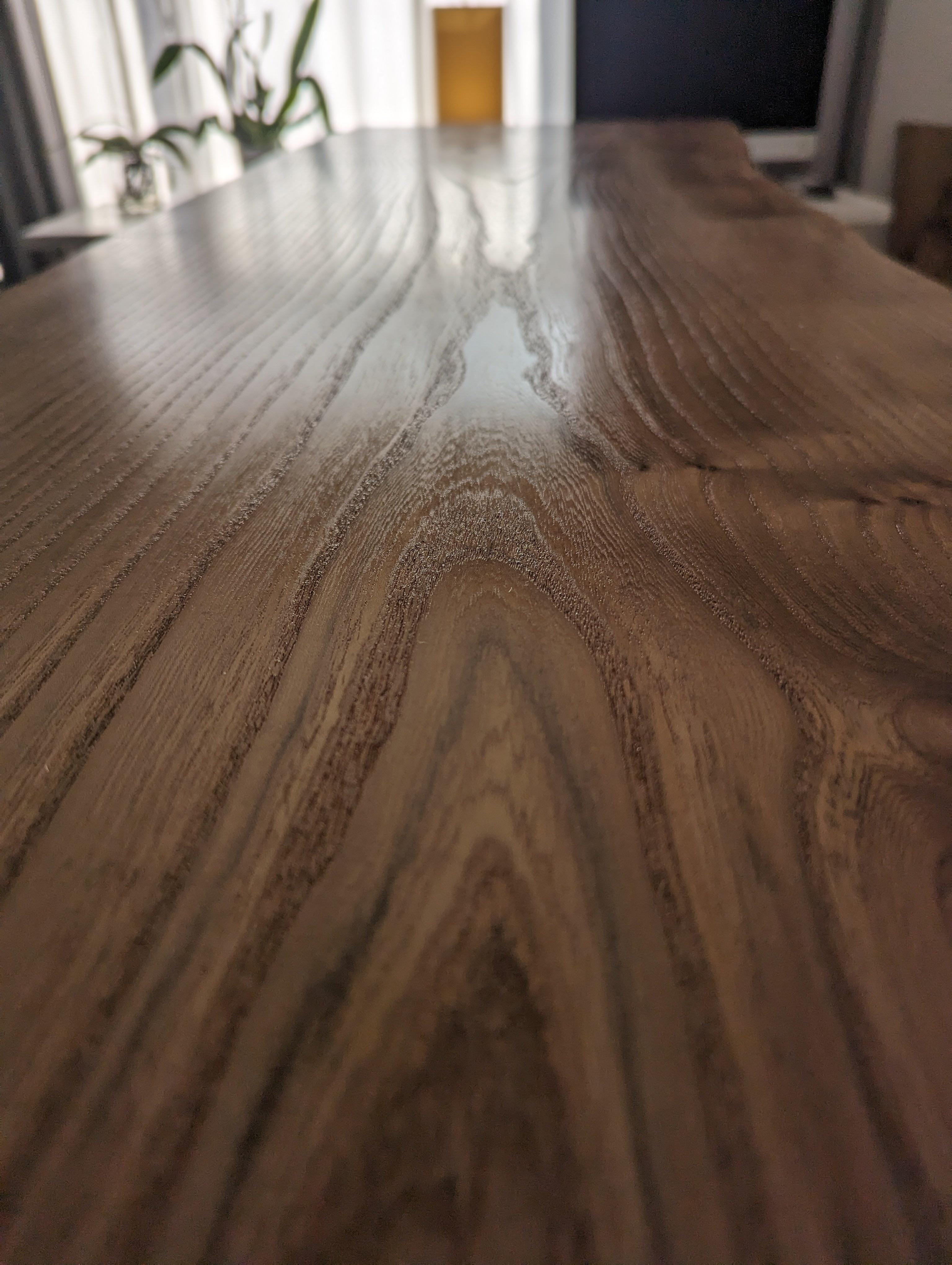
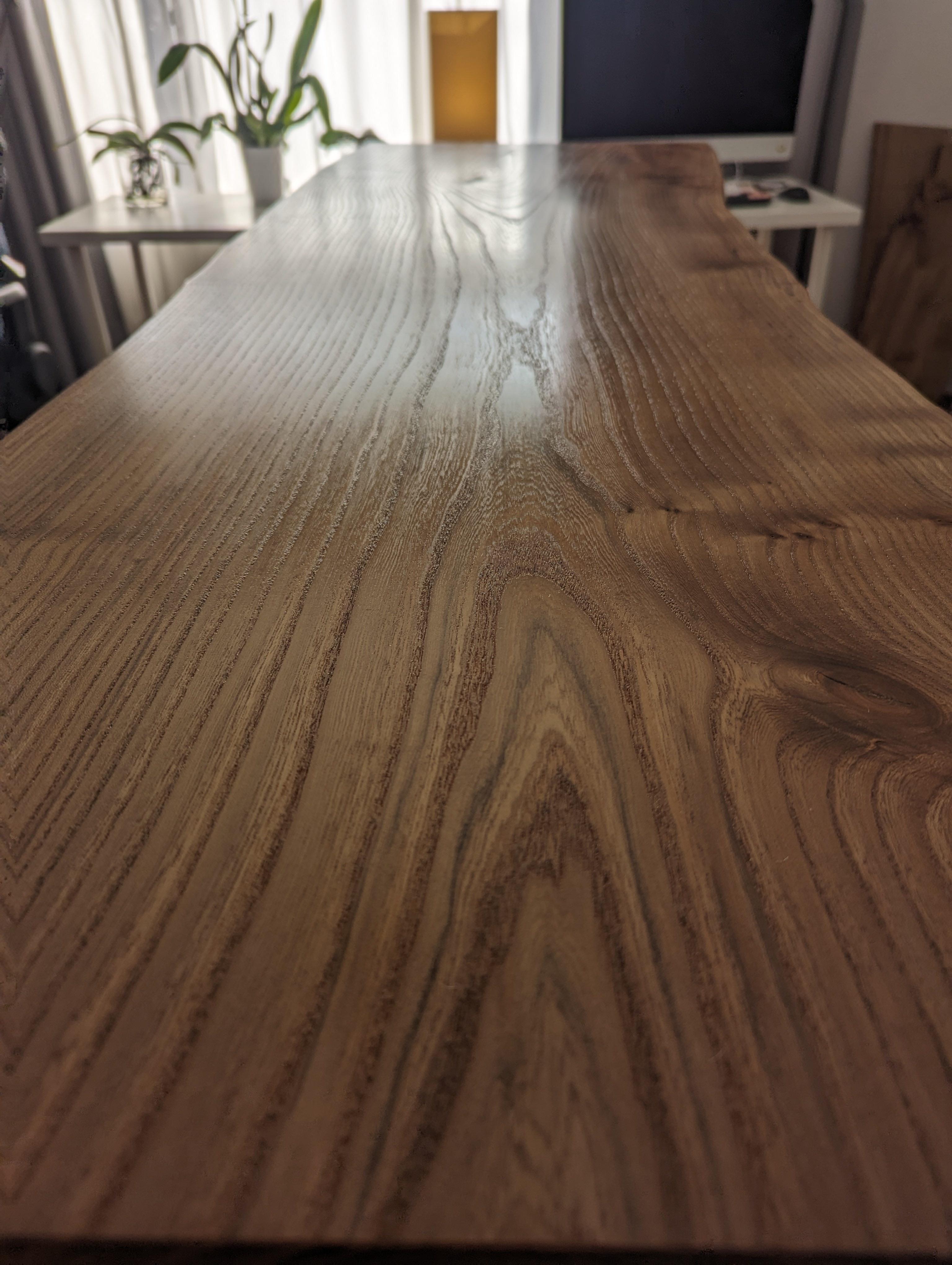
Running my hands along the grain, feeling the slight ridges and grain, connects me to a tangible, tactile reality that can get lost in the digital ether of remote work. There’s an almost therapeutic quality to this physical engagement, a reminder that our bodies and environments are integral to our cognitive processes.
The desk, in many ways, has become the essential “tool” of the knowledge worker—a platform upon which we build our mental models and intellectual creations. But in the process, it’s easy to lose sight of the materiality, the physical substance, that underlies this digital work. Reconnecting with that sensory experience has been a revelation, a chance to ground myself in the present moment and cultivate a deeper sense of presence and inspiration.
By blending the timeless craftsmanship of salvaged materials with modern tools and techniques, I’ve been able to create a workspace that seamlessly integrates the physical and digital realms. This project has challenged me to rethink the role of my tools in the remote work landscape, and it’s a testament to the power of tactile engagement.
In an era where our work has become increasingly disembodied, the act of crafting a custom workstation from salvaged lumber has been a transformative experience. It’s a reminder that the most innovative solutions often lie in rediscovering the enduring wisdom of the past, and that by embracing the textures, contours, and very substance of our environments, we can forge a more grounded and inspiring remote work experience.
Reference Images